

You hear your child call out in the middle of the night, and within seconds you know what's coming. Winter vomiting disease—that sudden, forceful illness that can sweep through a household in hours—strikes when families are already spending more time indoors together. Nearly 20 million Americans contract norovirus each year, and it spreads so efficiently that if one family member gets sick, there's a strong chance others will follow within 48 hours.
This isn't just another stomach bug. Winter vomiting disease (the common name for norovirus) causes acute gastroenteritis—inflammation of your stomach and intestines that leads to intense vomiting, diarrhea, and exhaustion. The illness hits hard and fast, but most people recover completely within one to three days with the right supportive care at home.
This guide gives you a practical playbook: how to spot early symptoms, which cleaning methods actually stop the virus from spreading (many common disinfectants don't work), how to protect vulnerable family members like young children or elderly parents, and what to do in those critical first 24 hours when quick action makes the biggest difference. These are the steps that matter most when norovirus enters your home.
What Is Winter Vomiting Disease (norovirus) and Why It Hits in Winter
Winter vomiting disease is the common name for norovirus infection, a highly contagious virus that causes acute gastroenteritis—inflammation of the stomach and intestines. Despite being called "stomach flu" by many families, norovirus has no connection to influenza and cannot be prevented by your annual flu shot. The virus earned its seasonal nickname because infections surge during colder months, though you can contract it any time of year.
The timeline moves fast. Symptoms typically appear suddenly 12 to 48 hours after exposure, giving families little warning before the illness takes hold. Most people experience symptoms for one to three days. The biggest risk is dehydration, especially in young children and older adults as it can extend recovery time if not managed properly.
Winter matters because of how families live during these months. Outbreaks cluster in "closed and crowded" environments: schools, childcare centers, nursing homes, hospitals, and cruise ships. Your home during winter mirrors these conditions—windows stay shut, siblings share bedrooms, everyone gathers around the same table, and shared surfaces multiply. Cold weather doesn't cause norovirus, but it creates the perfect conditions for rapid household transmission.
Spot It Early: The First 24 hours Checklist
Sudden Onset is the Hallmark
Winter vomiting disease announces itself with little warning. One moment your child seems fine; the next, they're experiencing sudden nausea followed by forceful vomiting. Common symptoms include:
-
Sudden nausea and vomiting
-
Watery, non-bloody diarrhea
-
Stomach cramps
-
Low-grade fever, headache, body aches, and fatigue
Bloody diarrhea is not typical and warrants a call to your doctor right away.
Dehydration Watch: The Real Risk That Demands Immediate Attention
Stopping vomiting matters far less than maintaining hydration—this is the single most important job during the first 24 hours.
For adults and older children, monitor these dehydration signs:
-
Dry mouth and extreme thirst
-
Dark yellow or amber-colored urine
-
Dizziness when standing
-
Decreased urination frequency
For young children and infants, watch for:
-
Fewer wet diapers than usual (fewer than 6 per day for infants)
-
No tears when crying
-
Unusual sleepiness or lethargy
-
Sunken soft spot on an infant's head
Start offering fluids immediately, even if vomiting continues. Small, frequent sips work better than large amounts at once. Oral rehydration solutions work better than plain water because they contain balanced electrolytes that improve absorption.
Shift To Outbreak Mode Immediately
Here's the reality that catches most families off guard: if one person shows symptoms tonight, others were likely exposed 12 to 48 hours ago. The virus spreads before symptoms appear, which means waiting to see who else gets sick wastes precious prevention time.
When the first person vomits, make these immediate household changes:
-
Separate bathroom access if possible—designate one bathroom for the sick person and keep others away. If you only have one bathroom, create a post-use cleaning routine (more on this in the cleaning section).
-
Stop all shared food immediately—no communal snack bowls, no sharing drinks, no passing plates family-style. Each person gets their own designated cup and utensils.
-
Begin your surface disinfection routine now, focusing on high-touch areas: bathroom fixtures, door handles, light switches, and kitchen faucets. Don't wait until more people fall ill.
The Invisible Spreaders: Why Everyone Needs To Follow Precautions
Some family members may carry and spread norovirus without ever feeling sick. The Mayo Clinic notes that asymptomatic carriers remain contagious even though they show no signs of illness—they can still shed virus particles that infect others.
This changes your household strategy. Prevention measures apply to everyone, not just visibly sick family members. Every person washes hands thoroughly before meals, avoids touching their face, and follows the same surface-cleaning protocols. The person who "feels fine" can unknowingly spread winter vomiting disease just as effectively as someone actively vomiting.
How Norovirus Spreads at Home (and What to Stop First)
The Four Transmission Routes That Matter in Your Household
Understanding how winter vomiting disease actually moves through your home changes everything about your response strategy.
Pathway 1: Fecal-oral route—virus particles from stool or vomit end up on hands, then transfer to the mouth. This sounds obvious, yet it's the most common transmission pathway because it happens invisibly throughout the day.
Pathway 2: Contaminated surfaces—these objects (called fomites) include doorknobs, remote controls, phone screens, and light switches. Noroviruses can stay on surfaces and objects for days or weeks, turning everyday items into transmission vehicles.
Pathway 3: Food handling—when someone preparing meals has virus particles on their hands, they contaminate everything they touch. Salads, sandwiches, and any food that won't be cooked after handling becomes a direct transmission pathway.
Pathway 4: Aerosolization during vomiting—this is the pathway most families don't expect. Transmission can be aerosolized when someone vomits or when a toilet is flushed while vomit or diarrhea is present. Virus particles become airborne and settle on nearby surfaces or can be inhaled.
Why Vomiting Events are High-Risk
Each vomiting episode creates a high-risk contamination event that requires swift action. The moment vomiting occurs, virus particles spread across a wider area than you can see—on the floor, splattered on walls, aerosolized into the air, and transferred via hands to anything touched during or immediately after the episode.
Your response plan should include: designated cleanup supplies already staged and accessible, a specific person assigned to handle cleanup (not the sick person), and a protocol for clearing others from the immediate area until proper disinfection happens.
Flushing the toilet with the lid down reduces but doesn't eliminate aerosolization risk. Clean bathroom surfaces immediately after each episode rather than waiting until "later."
Hand Hygiene That Actually Works Against Norovirus
Soap and water for 20 seconds—this is non-negotiable and cannot be replaced by alcohol-based hand sanitizers. The Mayo Clinic explicitly states that alcohol-based hand sanitizers aren't as effective against noroviruses as using soap and water.
Alcohol hand gels do not kill norovirus. Many families rely on hand sanitizer as their primary hygiene tool, especially with young children, but this creates a false sense of security during norovirus outbreaks.
Why soap works when alcohol doesn't: The physical friction of washing combined with rinsing literally removes virus particles from your skin. Norovirus lacks the lipid envelope that alcohol-based sanitizers target, making mechanical removal through soap and water the only reliable method.
Wash hands thoroughly after using the toilet, before any food preparation or eating, after touching potentially contaminated surfaces, and after contact with the sick person or their belongings.
The Contagiousness Timeline Families Consistently Underestimate
People remain most contagious while actively experiencing symptoms—the vomiting and diarrhea phase when virus shedding peaks. But here's what catches families off guard: contagiousness continues well after symptoms resolve.
You can continue to shed virus in your stool for several weeks after recovery. Stony Brook Medicine reinforces the practical rule: stay home until at least 48 hours after symptoms stop to avoid spreading the virus.
This 48-hour rule applies to multiple household decisions:
-
Keep children home from school or daycare for the full 48 hours after their last symptom
-
No food preparation for others during this extended window—even if the person feels completely recovered
-
Continue strict bathroom hygiene protocols because virus shedding persists after the person feels better
-
Maintain surface disinfection routines throughout this period rather than stopping when symptoms end
Many families send kids back to school the day after symptoms stop, unknowingly continuing the outbreak cycle. The virus doesn't care that your child "seems fine" or that you've run out of sick days.
Common Household Mistakes That Keep Winter Vomiting Disease Circulating
Shared bathroom towels create a perfect transmission pathway. Multiple family members dry their hands on the same damp fabric throughout the day, transferring virus particles with each use. Switch to paper towels during outbreaks, or assign one towel per person and wash daily on a hot cycle.
Communal snack bowls should disappear completely during outbreak periods. That bowl of pretzels on the coffee table or the shared popcorn during movie night becomes contaminated when anyone reaches in with unwashed or inadequately washed hands. Pause all shared food until 48 hours after the last person recovers.
Quick-wipe cleaning with regular household cleaners gives a false sense of accomplishment. Norovirus is resistant to many disinfectants, making product selection critical. Your usual all-purpose cleaner likely won't work—you need a chlorine bleach solution or a disinfectant specifically labeled as effective against norovirus.
The "wipe and go" approach also fails because contact time matters. Disinfectants need to remain wet on surfaces for several minutes to work properly. Spraying and immediately wiping defeats the purpose entirely.
Cleaning That Actually Works Against Norovirus
The immediate response protocol for vomit and stool
When vomit or diarrhea hits a surface, your response in the first five minutes determines how far the virus spreads.
-
Wear disposable gloves
-
Gently absorb vomit or stool without scrubbing
-
Bag waste immediately and dispose outdoors
-
Wash hands thoroughly
This entire process should disturb the contaminated area as little as possible. Speed matters less than gentle, contained movements.
Why Regular Cleaning Products Won't Work
Most household disinfectants fail against norovirus—and this isn't marketing hype.
You need chlorine bleach or a disinfectant specifically labeled as effective against norovirus. Check the product label—it should explicitly mention norovirus, not just "kills 99.9% of germs."
Mix a fresh bleach solution daily during outbreaks: 5-25 tablespoons of household bleach per gallon of water, depending on the surface. Use the stronger concentration (25 tablespoons) for areas with visible contamination.
Apply the disinfectant and let it sit for at least 5-10 minutes. Contact time matters—the solution needs to stay wet on the surface to actually kill the virus. Wiping it off immediately wastes your effort.
Your favorite natural cleaners, vinegar solutions, and essential oil sprays won't cut it during winter vomiting disease outbreaks. Save those for regular maintenance cleaning after the virus has cleared your home.
The High-Touch Surface Hit List
Bathroom fixtures, kitchen handles, remotes, phones, light switches, and door handles should be wiped at least twice daily.
Expand this list to every surface that gets touched multiple times per hour throughout your entire home.
In bathrooms:
- Toilet seat (top and bottom)
- Flush handle or button
- All sink taps and faucet handles
- Bathroom door handle (both sides)
- Light switches
- Towel bars
- Toilet paper holder
In the kitchen:
- Counter edges where hands rest
- Refrigerator handle
- Freezer handle
- Kitchen faucet and handles
- Cabinet pulls near the sink
- Microwave buttons and handle
- Coffee maker buttons
In living spaces:
- TV remote controls
- Phone screens and cases
- Tablet devices
- Light switches in every room
- Stair railings
- Doorknobs throughout the house
Wipe these surfaces at least twice daily during active illness—morning and evening minimum. Increase frequency in the bathroom to after each use by the sick person.
Create a cleaning checklist and tape it where caregivers can see it. Decision fatigue is real when you're running on three hours of sleep.
Laundry protocols that prevent re-contamination
Soiled clothing and bedding require immediate, separate handling.
Wash contaminated items at 60°C (140°F) separately from other household laundry. This temperature threshold actually matters—lower temperatures won't reliably kill norovirus particles.
Never shake out soiled linens or clothing. Shaking releases virus particles into the air and onto surrounding surfaces. Carry the items carefully to your washing machine, keeping them contained.
If you can't wash items immediately, store them in a sealed plastic bag until you're ready. Don't let contaminated laundry sit in an open hamper where family members might touch it.
Run the washing machine on the hottest setting your fabrics can handle. Use regular detergent—you don't need special additives, just heat and mechanical action.
After loading contaminated items, wash your hands thoroughly before touching anything else. Consider the washing machine lid or door handle contaminated until you've wiped it down with disinfectant.
Line your laundry basket with a disposable plastic bag during outbreak periods. When you've finished washing all contaminated items, throw away the liner and disinfect the basket itself with bleach solution.
If someone vomits on carpet or upholstered furniture, clean up solid material first, then apply disinfectant. You may need to call professional cleaners for deep sanitization—some contamination goes too deep for home treatment.
Wash your own clothing after handling contaminated laundry, even if you wore gloves. The virus is small enough that particles can land on your sleeves or pant legs during the transfer process.
Protect Vulnerable Family Members
When to call the doctor (without panic)
Most families ride out winter vomiting disease at home without medical intervention. But certain situations require professional guidance.
Young children, older adults, and anyone with underlying medical conditions face higher dehydration risks. Seek medical advice if:
-
Fluids can’t be kept down
-
Urination drops significantly
-
Symptoms last beyond three days
-
Severe lethargy or dizziness develops
The 48-Hour Reset After Symptoms Stop
Your child finally keeps down breakfast. Your partner hasn't vomited in 24 hours. The outbreak isn't over yet.
Continue precautions for two full days after symptoms end:
-
Ongoing handwashing
-
Bathroom disinfection
-
No food prep by recently sick individuals
This extended precaution period protects everyone. Virus particles are still leaving their body in stool, even though the miserable symptoms have stopped.
Does Air Quality Matter During Norovirus Outbreaks?
Let's set realistic expectations: norovirus spreads primarily through hands, contaminated surfaces, and food handling.
But vomiting episodes can aerosolize particles. When someone vomits forcefully, microscopic droplets containing the virus become airborne and settle on nearby surfaces—or get inhaled by anyone standing too close.
That’s where ventilation and air movement play a supporting role.
Open windows during and immediately after a vomiting episode if weather permits. Fresh air dilutes airborne particles and helps them disperse rather than settle on every surface in the room. While air purification is not a replacement for proper surface cleaning, it can serve as an added layer of environmental control during an outbreak.
High-efficiency systems that actively capture fine particles can help reduce what remains suspended in indoor air after an incident. For families already using an air purifier, running it continuously during illness—especially in shared spaces—can support overall air hygiene while you focus on disinfecting high-touch surfaces.
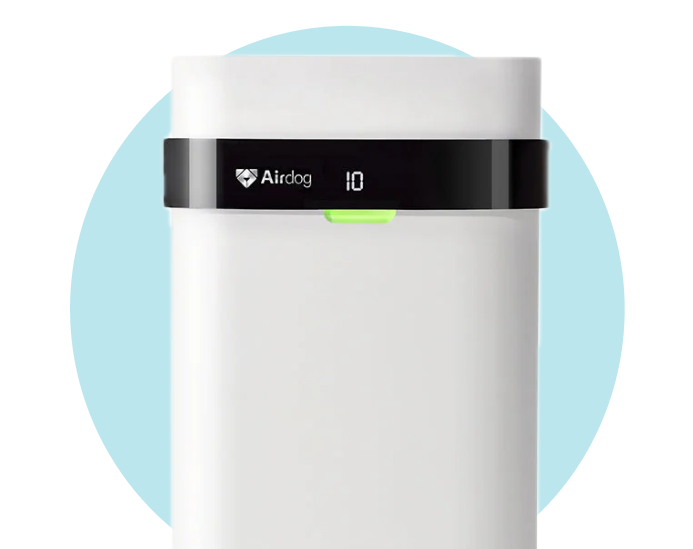
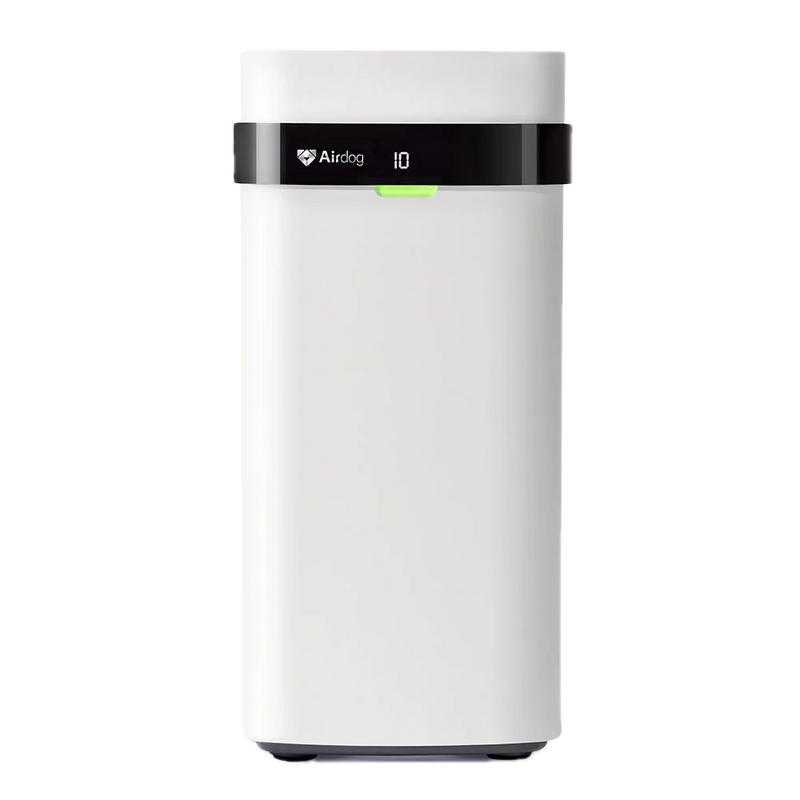
Some air purifiers, such Airdog’s TPA technology, are designed to capture ultrafine particles as small as 0.0146 microns. This goes beyond what traditional HEPA filters are designed to handle.
While no air purifier can prevent norovirus transmission on its own, running a high-quality unit during and after vomiting events can help reduce lingering airborne droplet particles as part of a multi-layered defense.
Ventilation, purification, handwashing, and surface disinfection work best together.
Final Thoughts: Managing Winter Vomiting Disease at Home
Winter vomiting disease spreads fast, but quick action makes a measurable difference. Early symptom recognition, strict handwashing, surface disinfection, and consistent hydration remain your most important tools.
Because vomiting can briefly aerosolize viral particles before they settle, increasing ventilation and airflow can support containment. Running an air purifier during and after vomiting events may help reduce lingering airborne droplets as part of a layered approach. Systems like Airdog’s TPA technology air purifiers are lab tested to capture ultrafine particles, adding environmental support while you focus on hygiene and cleaning.
Most cases resolve within a few days. Acting quickly in the first 24–48 hours is what prevents a single illness from becoming a household outbreak.