

You've wiped down every surface during flu season, stocked the medicine cabinet, and kept hand sanitizer by the door, but pneumonia still feels like the wildcard illness that sneaks past your best efforts. Unlike a simple cold, pneumonia lands people in the hospital, especially the youngest and oldest members of your family. Pneumonia prevention is about layering smart, evidence-backed habits that reduce risk across multiple fronts.
Pneumonia Prevention
Pneumonia is an infection of the lungs that can be caused by bacteria, viruses, or (less commonly) fungi. Bacterial pneumonia responds to vaccines like pneumococcal shots; viral pneumonia often follows flu or RSV; fungal pneumonia is rare but can affect people with weakened immune systems.
Kids bring home respiratory viruses from school and daycare; older adults and people with asthma, COPD, diabetes, or heart disease face higher risk of severe illness. Your goal in preventing pneumonia is to reduce three things: (1) exposure to germs, (2) time spent breathing shared indoor air when someone is sick, and (3) vulnerability through factors like poor sleep, smoke exposure, or unmanaged chronic conditions.
A few quick definitions you'll see throughout this article:
-
Respiratory droplets/aerosols — tiny particles released when we breathe, talk, or cough that can carry viruses
-
Ventilation — bringing outdoor air into your home to dilute indoor germs
-
Filtration — removing particles from indoor air using a mechanical filter or air-cleaning device
Even with best practices, some pneumonia can still happen. Prevention mainly lowers your odds and reduces severity, especially when you combine vaccines with early action when symptoms start.
Vaccines That Meaningfully Cut Pneumonia Risk
Vaccines are the highest-yield pneumonia prevention tool you have. They target the specific bacteria and viruses that cause the majority of severe cases, and the time investment is minimal compared to the protection you gain.
Pneumococcal vaccination targets pneumococcal bacteria, a major cause of severe bacterial pneumonia. Children under 5 receive a 4-dose PCV series at 2, 4, 6, and 12–15 months. Adults aged 50 and older (and adults 19–49 with certain risk conditions like asthma, COPD, diabetes, or immune compromise) should receive a pneumococcal conjugate vaccine if they haven't already or if their history is unknown. If your doctor uses PCV15, you'll need a follow-up PPSV23 dose about a year later; PCV20 and PCV21 are one-time shots for most people.
Next steps:
-
Pull your family's vaccine records—check your patient portal, pharmacy records, or state immunization registry.
-
Write down chronic conditions (asthma, COPD, diabetes, immune issues) that may change eligibility or timing.
-
Ask your clinician or pharmacist: "Which pneumococcal vaccine is recommended for me, and do I need a follow-up PPSV23 dose?"
Annual flu shot matters because influenza can directly cause pneumonia and can also set up bacterial pneumonia afterward. The CDC recommends annual flu vaccination for everyone 6 months and older without contraindications. Tie your flu-shot reminder to a routine event, such as back-to-school week or the first cold snap of fall, so that it becomes automatic.
COVID-19 vaccination and boosters act as a severe-disease prevention layer since COVID can present as viral pneumonia. The CDC's current guidance emphasizes shared decision-making for higher-risk household members and caregivers. If you're caring for grandparents or have chronic conditions yourself, this conversation is worth having with your doctor.
RSV protection is especially relevant for babies and older adults. For infants, you have an "either/or" strategy: maternal RSV vaccination during late pregnancy or an infant monoclonal antibody (like nirsevimab). Most infants don't need both. Older adults aged 75 and up, and adults 50–74 at increased risk, are recommended a single-dose RSV vaccine (not annual at this time). If you're pregnant, ask your OB about the maternal RSV vaccine around 32–36 weeks.
Block out 15 minutes this week to review your family's vaccine status. That quarter-hour can prevent weeks of illness.
Cleaner Indoor Air: The Most Overlooked Pneumonia-Prevention Layer at Home
Respiratory viruses spread more easily indoors with poor airflow. The CDC's "cleaner air" guidance centers on two levers: ventilation (bringing in outdoor air) and filtration (removing particles from indoor air).
Create a sick-room protocol: Pick one room for the sick person; keep the door closed; run continuous air cleaning in that room; crack a window if outdoor conditions allow (not during extreme heat, cold, or high pollen); and keep a return-air pathway (like a gap under the door) so air can move without pushing germs through the whole home. This setup reduces the viral load in shared spaces where healthy family members spend time.
Filtration details that actually matter: Choose an air purification device sized for the room; match it to the room's square footage and the device's airflow delivery (often listed as CADR or air changes per hour). Place it where airflow isn't blocked by curtains or furniture. Run it on higher speed during illness and gatherings; dial it back to a quieter setting overnight or when the room is empty. Add a maintenance habit: clean or replace filters on schedule so airflow doesn't drop. Low airflow means less particle removal, which defeats the purpose.
Choosing the Right Air Purifier
Most air purifiers rely on HEPA filters, a technology developed in the 1940s. HEPA filters are effective to a point, but have significant limitations when it comes to viral infections.
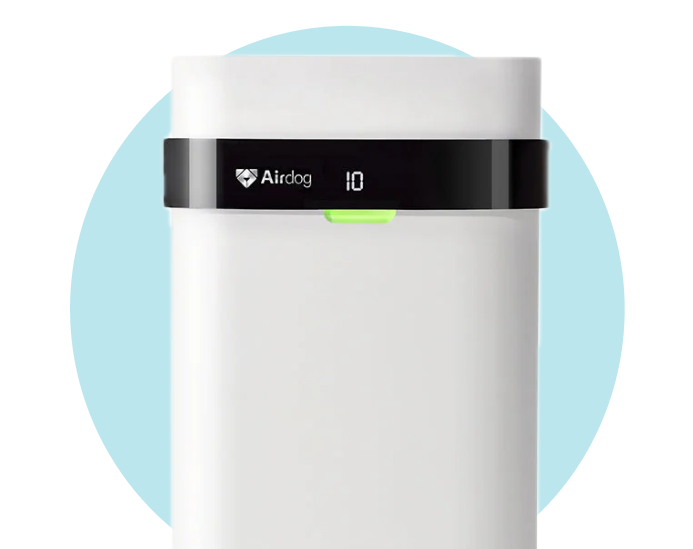
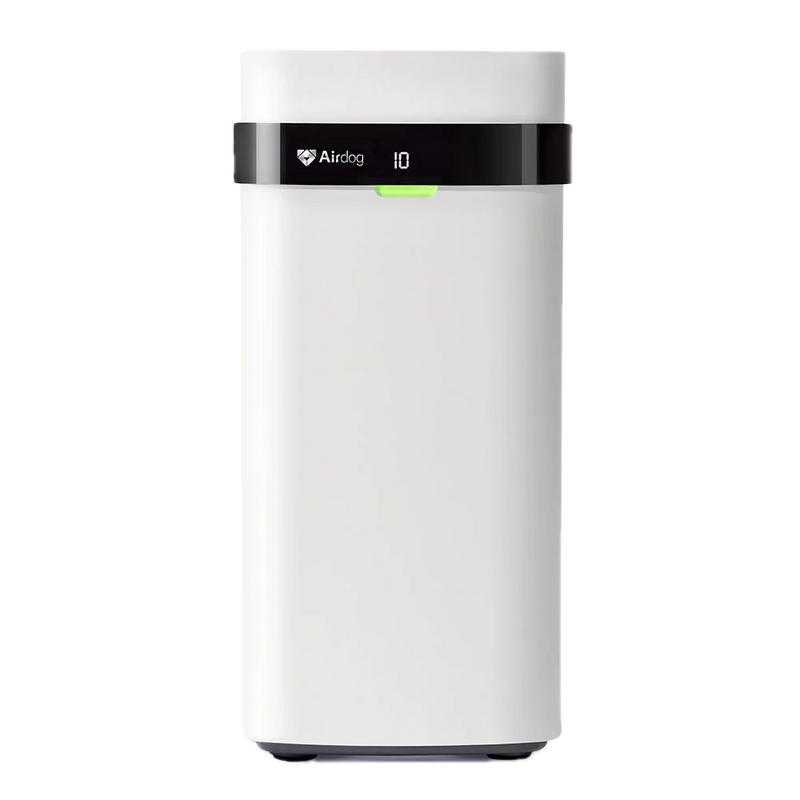
First, HEPA filters can only capture particles as small as 0.3 microns. But viruses are often much smaller than that. Airdog’s TPA® Technology offers an advanced approach to air purification by capturing particles down to 0.0146 microns, which is over 20 times smaller than what traditional HEPA air purifiers can handle.
Additionally, while HEPA filters only trap these particles, Airdog air purifiers actually destroy them. Airdog technology uses a high-voltage electrostatic field to completely eliminate viruses that could otherwise infect your family members.
Learn more about Airdog’s filtration technology here.
Don't ignore "source control" indoors: Reduce anything that irritates or inflames airways such as smoke, strong cleaning fumes, and scented sprays. Inflamed airways can make respiratory infections feel worse and may increase complication risk, especially for kids with asthma.
Two quick household-air checks:
-
Humidity target: 30–50% — too dry irritates mucous membranes; too damp encourages mold growth.
-
Fix moisture issues fast — run bathroom fans during showers, and repair leaks promptly. WHO highlights indoor air pollution reduction as part of pneumonia prevention strategy.
Air cleaning isn't a replacement for vaccines or hygiene, but it's a powerful extra layer that protects everyone under your roof.
Hygiene That's Worth the Effort
Hand hygiene works because it interrupts the hand-to-face route that drives many respiratory infections. Focus on the moments that drive transmission: before eating, after bathroom use, after coming home, after wiping noses, and before/after caring for someone sick. The CDC summarizes that community handwashing education can reduce respiratory illnesses by roughly 16–21%—a meaningful drop for a habit that costs almost nothing.
Make handwashing kid-proof: Teach the "20 seconds" routine using a consistent pattern—wet, soap, scrub palms/back of hands/between fingers/thumbs/nails, rinse, dry. Put a stool and soap pump at kid height so they can do it independently. Keep alcohol-based sanitizer at the entryway for the "just walked in" moment when sinks aren't immediately accessible.
Cough/sneeze etiquette: Cough into a tissue or elbow, then immediate hand hygiene; dispose of tissues in a lined bin; keep tissues in every high-traffic room and in the car so it's effortless.
Targeted cleaning: Wipe frequently touched surfaces during illness peaks—doorknobs, light switches, faucet handles, remotes, phone screens. Emphasize "high-touch only" to reduce viral load on the surfaces people touch most.
When someone is sick: Reduce shared air and shared saliva—don't share cups or utensils, assign one towel in the bathroom, and consider masking for close caregiving tasks (like helping a child who is coughing) as a short-term tool to reduce exposure in the highest-risk moments. The CDC's respiratory virus prevention hub frames these steps as part of a broader strategy to protect vulnerable household members.
Clear "Don't-Wait" Warning Signs
Contact a clinician immediately if you see any of these symptoms in a high-risk family member:
-
Trouble breathing or working hard to breathe (flared nostrils, chest retractions, rapid breathing)
-
Lips or face turning bluish or grayish
-
Chest pain that worsens with breathing or coughing
-
Confusion or sudden mental status changes (especially in older adults)
-
Persistent high fever (above 102°F for more than a couple of days)
-
Signs of dehydration (no wet diapers in infants, decreased urination, extreme thirst, dry mouth)
-
Symptoms that improve for a day or two, then suddenly worsen again
For high-risk family members—young children, adults over 65, anyone with chronic lung or heart disease—call early rather than waiting several days. Pneumonia treatment works best when started promptly.
Your instinct that "something feels wrong" matters more than any checklist. Trust it.