

Every fall, millions of Americans brace themselves for watery eyes, relentless sneezing, and that stuffy, miserable feeling that won't quit. The culprit? A humble weed most people walk past without a second glance. Ragweed allergy affects more than 23 million people in the United States alone, making it one of the most common triggers of seasonal allergies. Yet many sufferers don't fully understand what ragweed actually is or why this particular plant wreaks such havoc on their respiratory systems.
Understanding Ragweed
What is ragweed, exactly? It's a group of wind-pollinated plants belonging to the Ambrosia genus, with common ragweed (Ambrosia artemisiifolia) being the most widespread troublemaker in North America. Unlike showy flowering plants that rely on bees for pollination, ragweed releases its pollen into the air—which is precisely why it causes so many problems for allergy sufferers.
This annual weed thrives in environments where soil has been disrupted. You'll find ragweed flourishing along roadsides, in construction sites, throughout urban areas, and in fallow agricultural fields. The plant's ability to colonize these common spaces means most Americans encounter ragweed regularly, whether they realize it or not.
Ragweed is so troublesome because of how much pollen each plant produces. A single ragweed plant can release up to one billion pollen grains in a single season. These grains are incredibly lightweight, designed by nature to travel far on wind currents. That massive pollen output, combined with the plant's preference for growing near human activity, creates the perfect storm for widespread allergic reactions. Even if you don't have ragweed growing in your immediate neighborhood, you're still likely breathing in its pollen throughout late summer and fall.
Symptoms and Reactions
When ragweed pollen enters your respiratory system, your body launches an immune response that triggers a cascade of uncomfortable symptoms. Allergic rhinitis—commonly called hay fever—is the most frequent reaction, affecting how you breathe and how you feel throughout the day.
The classic symptoms include:
-
Sneezing fits that seem to come out of nowhere
-
Runny or stuffy nose that alternates between congestion and drainage
-
Itchy, watery eyes that make it hard to focus on work or family activities
-
Scratchy throat that no amount of water seems to soothe
-
Post-nasal drip that creates mucus flow behind your nose into your throat
For parents of children with asthma, ragweed season brings additional worry. The pollen can trigger serious asthma flare-ups with coughing, wheezing, and shortness of breath. If your child already struggles with respiratory issues, ragweed exposure can make breathing significantly harder.
There's another layer to ragweed allergies that catches many people off guard: pollen-food allergy syndrome. Your immune system sometimes confuses proteins in certain raw foods with ragweed pollen proteins. This cross-reactivity means you might experience mouth itching or throat swelling when eating bananas, cucumbers, melons, sunflower seeds, or zucchini during ragweed season. The reaction typically stays mild and localized to your mouth, but is unsettling when eating foods that are not allergens.
About 15.5% of Americans are sensitive to ragweed, but the actual number experiencing symptoms likely runs higher. Many people dismiss their late-summer misery as "just a cold" without realizing ragweed is the culprit.
Ragweed season typically runs from August through the first frost, with peak levels hitting mid-September.
Why Ragweed is Widespread
Distance offers no protection from ragweed pollen. Wind currents carry these microscopic grains hundreds of miles from their source plants. Research has confirmed that ragweed pollen remains allergenically active even after long-distance transport, meaning you can experience severe reactions in areas with minimal local ragweed growth.
This explains why checking for ragweed in your immediate neighborhood doesn't tell the full story. The pollen affecting your family might originate from plants dozens or even hundreds of miles away.
Climate change has dramatically altered ragweed's impact. Studies show ragweed pollen seasons have lengthened by 13 to 27 days in northern latitudes since the mid-1990s, according to research published by the USDA.
Later first frosts also extend the growing season. Warmer temperatures accelerate plant growth, and higher atmospheric CO₂ levels can boost pollen production substantially.
Your children face more weeks of exposure than you did at their age. The fall allergy window keeps expanding.
Air pollution adds another layer of complexity. Research comparing ragweed pollen from different environments found significantly higher allergenicity in pollen collected near high-traffic roads versus vegetated areas with minimal traffic.
Traffic-related pollutants don't just increase pollen counts. They make individual pollen grains more potent allergens.
The CDC notes that these combined factors—transport, climate shifts, and pollution—create conditions where ragweed affects more people more severely than in previous decades.
Mitigation Strategies
You can't control ragweed growth across North America, but you can control what enters your home.
Keep windows and doors closed during peak pollen times—typically mid-morning through early afternoon when pollen counts surge. Run your air conditioning instead. This single change dramatically reduces indoor pollen exposure for your family.
Check local pollen forecasts before planning outdoor activities. The Asthma and Allergy Foundation of America provides regional pollen count data that helps you schedule soccer games, park visits, and outdoor play when exposure risks drop.
Save outdoor time for after rain. Precipitation clears pollen from the air temporarily.
Air purifiers create a protective barrier inside your home. Place them in bedrooms and main living areas where your family spends the most time. Look for models with washable filters—you'll avoid the recurring expense of replacements while maintaining consistent performance throughout the extended ragweed season.
Regular home maintenance matters more during allergy season:
-
Vacuum carpets and upholstery twice weekly using a HEPA-filter vacuum to trap pollen particles
-
Wash bedding in hot water weekly to remove accumulated pollen
-
Shower before bed to rinse pollen from hair and skin
-
Leave shoes at the door to prevent tracking outdoor allergens through your home
-
Clean washable air purifier filters every two weeks during peak season
These habits protect your children and elderly parents from the allergens that trigger their respiratory symptoms. Small daily actions compound into meaningful relief when ragweed pollen counts remain elevated for weeks on end.
Why Airdog Is a Game-Changer for Allergy Season
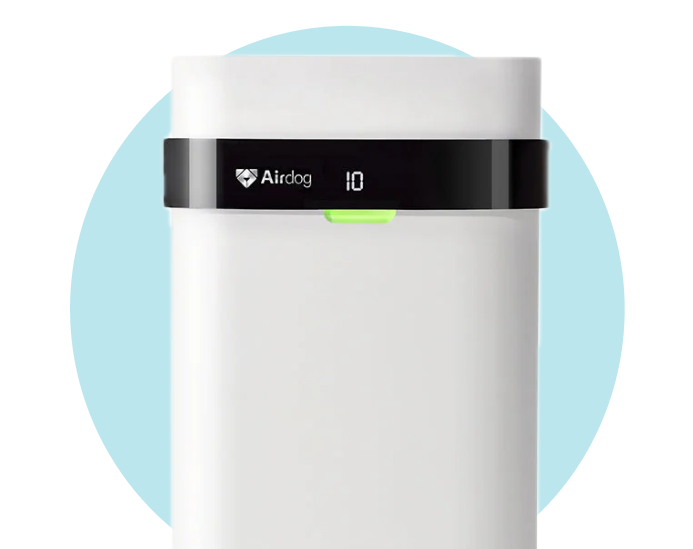
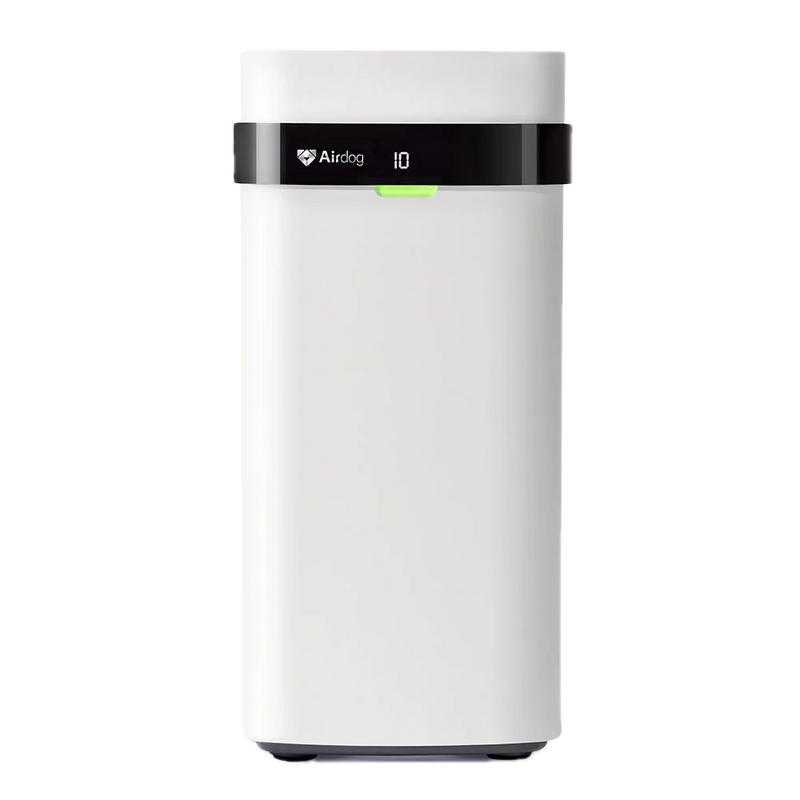
Unlike traditional HEPA-based purifiers that rely on replaceable filters to trap pollen, Airdog air purifiers take purification a step further with patented TPA (Two-Pole Active) technology. This innovative electrostatic filtration captures particles as small as 14.6 nanometers, far smaller than what HEPA can catch. Beyond that, TPA actively destroys pollutants from ragweed, tree pollen, bacteria, and even viruses.
Airdog’s reusable collecting plates are washable, reducing environmental waste and eliminating the recurring cost of filter replacements. This makes it a smarter, more sustainable investment, especially for allergy sufferers navigating long and intense pollen seasons. If you’re serious about improving your indoor air quality and want a purifier that eliminates airborne allergens, Airdog stands in a league of its own.
Explore Airdog’s powerful purification solutions and protect your air today.