

With indoor air often more polluted than outdoor air, many people look for ways to improve what they breathe at home. One technology that frequently comes up is the ionizer. So, what does an ionizer do — and how does it actually affect indoor air quality?
An ionizer works differently than traditional air filters. Instead of physically trapping particles, it releases electrically charged ions into the air that interact with airborne pollutants. Understanding how this process works, along with its benefits and limitations, can help you decide whether an ionizer is right for your space.
The Science Behind Ionizers
How Ionizers Work
Ionizers operate on a fascinating principle: they emit negative ions into the air. These negatively charged ions attach themselves to airborne particles such as dust, pollen, and smoke. The process is not merely about attachment; it fundamentally alters the weight of these particles. Once bonded with negative ions, these particles gain mass and, as a result, can no longer remain suspended in the air. Gravity takes over, pulling them down onto surfaces where they can be easily wiped away. This mechanism serves as the cornerstone of ionizer functionality, purifying the air by removing particulates without relying on traditional filtration methods.
Ionizers vs. Ozone Generators
While ionizers and ozone generators might seem similar at first glance—both promise cleaner air—their operational methods and health implications differ significantly:
- Ionizers are designed to release ions that cause particles to settle out of the air.
- Ozone Generators intentionally produce ozone gas, which can be harmful when inhaled at elevated levels intentionally produce ozone gas, which can be harmful when inhaled at elevated levels.
Modern ionizers are typically designed to emit little to no ozone. The Environmental Protection Agency (EPA) cautions consumers to avoid air-cleaning devices that generate ozone, emphasizing the importance of choosing products that meet safety standards.
Health Benefits and Potential Risks
Potential Benefits of Ionizers
When used appropriately, ionizers may offer several air-quality benefits:
- Reduced airborne allergens: By causing pollen, dust, and pet dander to settle, ionizers can lower the concentration of irritants in the air.
- Lower particulate matter levels: Ionizers may help reduce fine particles that contribute to respiratory discomfort.
- Cleaner-feeling air: Many users report that spaces feel fresher when fewer particles remain airborne.
Some research suggests that negative ions may also reduce certain airborne microorganisms, though results vary depending on the environment and device design.
Important Safety Considerations
While the benefits of ionizers are significant, it’s essential to also consider the potential risks associated with their use, especially concerning ozone production:
- Ozone emissions: Some older or poorly designed ionizers can produce ozone as a byproduct, which may irritate the lungs and worsen respiratory conditions.
- Surface buildup: Because particles fall onto surfaces, regular cleaning is necessary to prevent re-circulation.
- Not a complete solution: Ionizers do not remove gases, odors, or volatile organic compounds (VOCs).
Choosing ionizers that are independently tested and certified for low ozone emissions is essential.
How Ionizers Affect Indoor Air Quality
Ionizers can improve indoor air quality by reducing airborne particles, especially in spaces where dust and allergens are a concern. They are often most effective when used as part of a broader indoor air strategy.
Where Ionizers May Help Most
- Poorly ventilated rooms
- Spaces with frequent dust or pet dander
- Supplementing mechanical filtration systems
What Ionizers Don’t Do
Ionizers do not remove:
- Chemical gases or fumes
- Strong household odors
- VOCs from cleaning products or furniture
For those concerns, activated carbon filtration or increased ventilation is more effective.
Choosing the Right Ionizer
Selecting the ideal ionizer for your home or office involves more than just understanding what an ionizer does. It requires careful consideration of various factors to ensure the device is safe, effective, and suitable for your specific needs.
Look for Safety Certifications
- Importance of Certifications: Seek ionizers that boast certifications from reputable organizations. These certifications indicate that the device has passed rigorous testing standards for safety and ozone emissions.
- Verification of Claims: Trust only those products that provide transparent access to their testing results and certifications. This transparency ensures that the claims made by the manufacturer about safety and efficacy stand up to scrutiny.
Match the Device to Your Space
- Matching Ionizer to Room Size: Consider the size of the room where you plan to use the ionizer. Devices come with specifications for the maximum area they can effectively cover. Choosing a model designed for your room's size ensures efficient air purification.
- Adjustable Settings: For flexibility, opt for ionizers with adjustable settings that allow you to customize their performance based on the room's current air quality needs.
Maintenance Requirements
- Ease of Maintenance: Look for ionizers with user-friendly maintenance requirements. Devices that feature easy-to-clean components or self-cleaning mechanisms reduce the effort and time needed for upkeep.
- Filter Replacement Indicators: If the ionizer includes filters, such as HEPA or carbon filters, choose models with indicators that alert you when it's time to replace the filter. This feature ensures the device continues to operate at peak efficiency.
By taking these factors into consideration, you can select an ionizer that not only improves the air quality in your home or office but also does so safely and efficiently. Remember, the right ionizer is one that fits your specific environmental needs, operates within safety standards, and contributes to a healthier indoor atmosphere without introducing new risks.
Bringing It All Together
So, what does an ionizer do? Ionizers work by charging airborne particles so they clump together and fall out of the air, but they do not actively remove gases or odors and may allow particles to settle on nearby surfaces. Because of this, they are often viewed as a supplemental approach rather than a standalone air-cleaning solution.
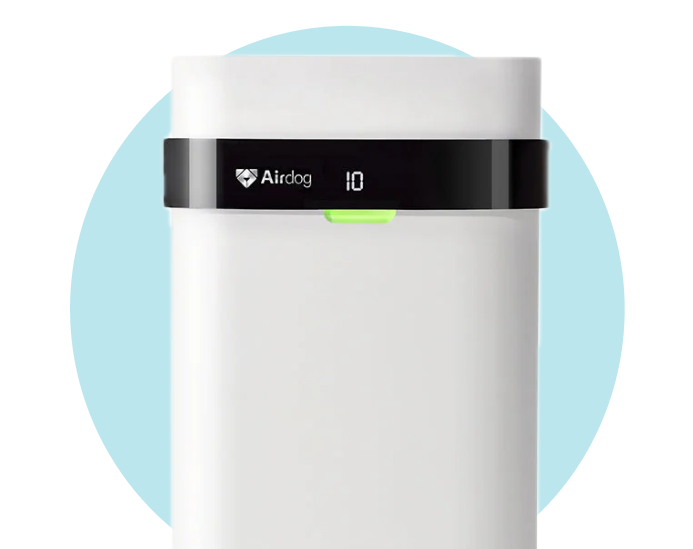
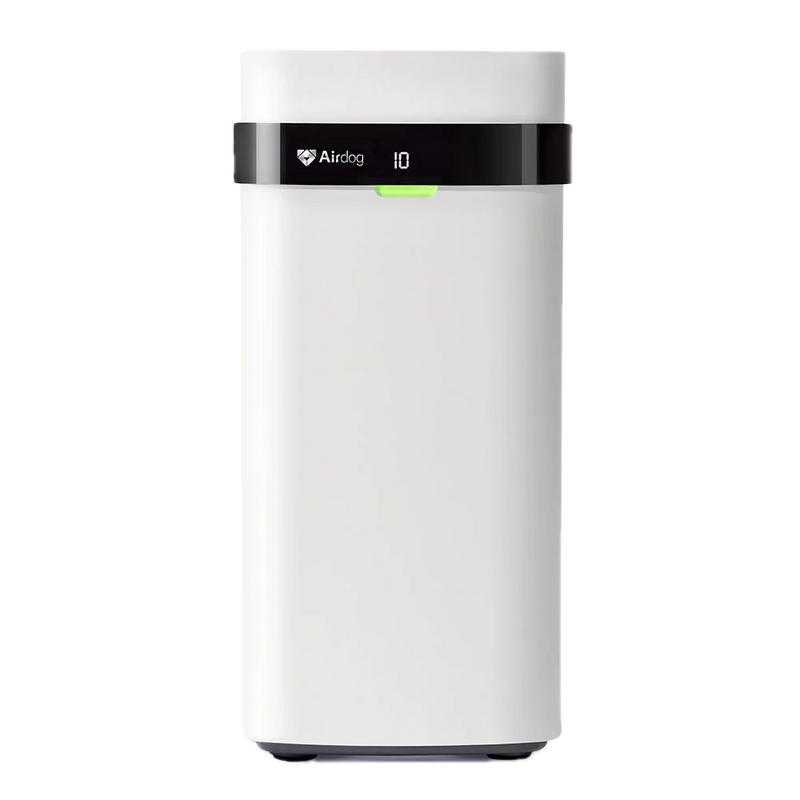
For those looking for a more contained way to manage airborne particles, options like Airdog focus on physically capturing fine particles instead of redistributing them. Used alongside proper ventilation and regular cleaning, this approach can help support cleaner indoor air without relying on ion release.