

Imagine breathing indoor air as fresh as a mountain breeze. For many, this is more than a dream—it's a necessity. Indoor air can be up to five times more polluted than outdoor air, affecting health and comfort. Air purifiers help by filtering out pollutants and keeping your living spaces clean. But a common question arises: how long do air purifiers last?
Lifespan depends on factors like usage patterns, maintenance, and filter type. Let’s explore what determines longevity and how you can maximize the life of your air purifier.
What Determines an Air Purifier’s Lifespan
Several elements influence how long your device will serve you effectively:
Quality of Construction: Durable materials and a well-engineered design make a big difference. High-quality plastics and metals resist wear, while simpler designs with fewer moving parts reduce mechanical failure. Established brands often deliver devices built to last.
Motor Durability: Motors wear over time, especially with continuous use. Quality components, such as premium bearings, can significantly extend motor life. Intermittent use can help, but may compromise consistent air cleaning.
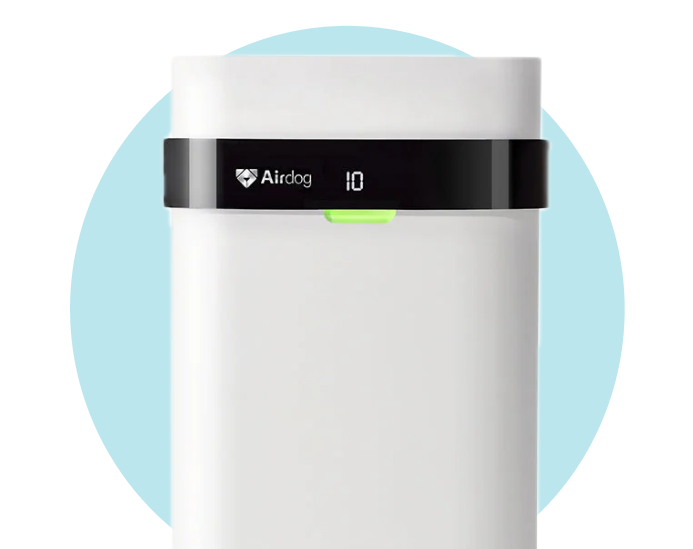
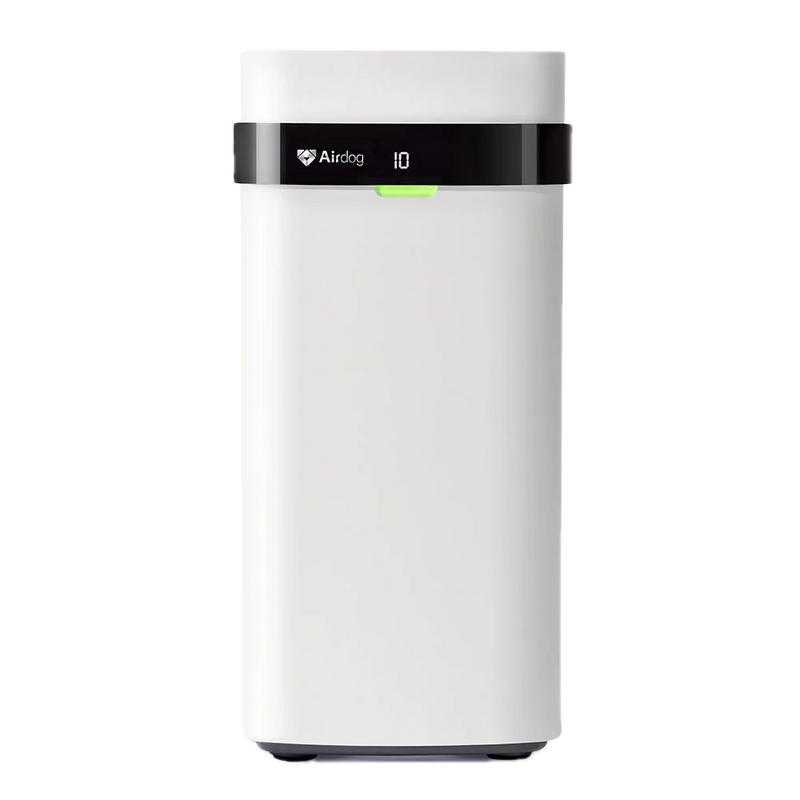
Type of Technology: Traditional HEPA based purifiers rely on disposable filters that must be replaced regularly. Over time, clogged filters can force the motor to work harder, increasing wear. Some air purifiers, including Airdog models, use washable filters rather than disposable HEPA filters. Because these filters are cleaned instead of replaced, airflow remains more consistent when maintenance is done properly, which can reduce long term strain on the system.
Usage Patterns: Running your purifier constantly provides consistent air cleaning but may accelerate wear. Intermittent use can extend lifespan but may reduce effectiveness. Balancing operational hours ensures both air quality and longevity.
Maintenance Plays the Biggest Role
Maintaining an air purifier is not just about ensuring clean air; it's about safeguarding your investment for years to come. Consistent and proper maintenance tasks such as regular filter changes, exterior cleaning, and sensor checks not only prolong the life of your air purifier but also maintain its efficiency and effectiveness.
Filter Care
- For HEPA based units, filters typically need replacement every six to twelve months depending on air quality and usage. Delaying replacement can reduce effectiveness and damage the motor.
- For washable systems, filters should be cleaned on the manufacturer’s recommended schedule. Skipping cleanings allows particle buildup to restrict airflow, which defeats the longevity advantage.
Exterior and Vent Cleaning
- Routine Wipe-downs: Dust and debris can accumulate on the exterior of an air purifier, which can hinder the air intake and reduce efficiency. A simple, regular wipe-down with a damp cloth can prevent this. Avoid using harsh chemicals that could damage the unit's surface.
- Vent and Grille Care: Pay special attention to the air intake and outlet grilles. Blocked vents can restrict airflow, compelling the unit to work harder, which, in turn, can shorten its lifespan.
Sensor Checks
- Functionality Checks: Many modern air purifiers come equipped with air quality sensors. These sensors need periodic checking to ensure they are functioning correctly. A malfunctioning sensor might fail to detect pollutants accurately, preventing the purifier from adjusting its settings dynamically.
- Cleaning Sensors: Depending on the model, some sensors might require cleaning to maintain accuracy. Consult the user manual for guidance on safely cleaning these components.
Neglecting these essential maintenance tasks can lead to decreased efficiency and potential damage, ultimately affecting the lifespan of your air purifier. A well-maintained air purifier not only ensures a healthier indoor environment but also offers peace of mind by operating efficiently for years. Remember, the key to maximizing the lifespan of your air purifier lies in regular and proactive maintenance.
Signs Your Air Purifier May Be Wearing Out
Recognizing the early signs of wear and tear in air purifiers is crucial for maintaining indoor air quality and preventing permanent damage to the device. There are several indicators that your air purifier might be nearing the end of its service life or requires immediate attention.
Decreased Airflow
- Observation: A noticeable reduction in the airflow can be the first sign that something is amiss. When the air purifier seems to be working, but the volume of air being circulated is less than usual, it's time for a check-up.
- Cause: Often, this is due to clogged filters. Over time, filters accumulate particles and pollutants, reducing their permeability and, consequently, the device's ability to circulate air.
- Action: Replace the filters or clean them if they are reusable. Consult the manual for the recommended frequency of this maintenance task.
Increased Noise Levels
- Observation: Air purifiers are designed to operate quietly. An increase in operational noise, especially if it happens suddenly, is a clear sign of wear or malfunction.
- Cause: The cause could range from a clogged filter forcing the motor to work harder, to mechanical issues within the motor itself.
- Action: Check the filters first. If the noise persists post-cleaning or replacing, the device might need a professional inspection.
Persistent Odors Despite Filter Changes
- Observation: If changing the air purifier's filters doesn't eliminate unusual or persistent odors, the problem might be more complex.
- Cause: Persistent odors can indicate that the air purifier's internal components are dirty or that the purifier is no longer effectively removing pollutants and odors from the air.
- Action: Ensure that not only the filters but also the internal components and the exterior of the air purifier are clean. If the issue continues, it might be a sign that the air purifier is reaching the end of its lifespan.
Clogged Filters Leading to Shutdown
-
Clogged filters are a common culprit behind air purifiers ceasing to function. This is not merely a decrease in efficiency; it's a protective measure to prevent damage to the motor and other internal components. When filters become too clogged, they can block airflow entirely, leading to overheating or damage. Recognizing and addressing a clogged filter early can prevent these shutdowns and extend the life of your air purifier.
Importance of Early Recognition:
Early recognition and action can prevent the need for costly repairs or replacements. More importantly, it ensures that your air purifier continues to perform its essential function—maintaining the health and cleanliness of your home's air. Keeping an eye on these indicators of wear and tear is not just about device maintenance; it's about safeguarding the air quality in your home for the health and well-being of your family.
When Does It Make Sense to Replace or Upgrade?
Replacement is not always about failure. Sometimes it is about changing needs.
- Moving to a larger home may require a higher capacity unit
- New allergens, pets, or wildfire smoke may exceed your purifier’s capabilities
- Replacement filters for older models may become harder to find
- Newer technology may offer better efficiency, quieter operation, or lower long term costs
If repairs or filter costs start approaching the price of a new unit, replacement is usually the smarter choice.
How to Make an Air Purifier Last Longer
A few practical habits can add years to your air purifier’s life.
- Place it away from walls, moisture, and direct sunlight
- Use automatic or lower fan settings when air quality is good
- Clean or replace filters on schedule
- Keep vents and sensors free of dust
- Choose replacement parts recommended by the manufacturer
Washable filter systems can reduce ongoing costs, but they still require consistent cleaning to deliver long term benefits.
Putting It All Together
So, how long do air purifiers last? With proper care, most units provide reliable performance for five to ten years, and sometimes longer. Longevity depends less on the brand name and more on how the purifier is used and maintained.
Whether you choose a traditional HEPA based model or a washable filter system like Airdog, regular maintenance and thoughtful operation are what ultimately protect your investment. A well cared for air purifier does more than clean the air. It supports healthier indoor living for years to come.