

If you’ve ever wondered, “Are air purifiers loud?” you’re not alone. Noise is one of the most common concerns people have before bringing an air purifier into their home, especially for bedrooms, nurseries, and home offices where quiet matters.
The short answer is that air purifiers are not inherently loud, but their sound levels vary depending on the model, fan speed, and room size. Understanding how noise is measured and what affects it can help you choose an air purifier that improves air quality without disrupting your daily life.
Understanding Air Purifier Noise Levels
The short answer is that air purifiers are not inherently loud, but their sound levels vary depending on the model, fan speed, and room size. Understanding how noise is measured and what affects it can help you choose an air purifier that improves air quality without disrupting your daily life.
To put common noise levels into context:
- 20–30 dB is comparable to rustling leaves or a soft whisper
- 40–50 dB sounds like a quiet room or gentle rainfall
- 60–65 dB is closer to normal conversation or background office noise
Most air purifiers operate across a range of sound levels depending on their fan speed. Lower settings are typically very quiet, while higher speeds move more air and create more sound.
The Impact of Noise Levels on Daily Life
The significance of selecting an air purifier with the right noise level cannot be overstated. Whether it's ensuring a baby's sleep remains undisturbed or maintaining focus in a home office, the sound emitted by these devices plays a crucial role. This balance is essential for those who prioritize not just the physical health benefits of purified air but also the mental well-being that comes with a serene living space.
In summary, when it comes to "are air purifiers loud," the answer varies widely depending on the model and settings. However, with the right information and careful selection, finding an air purifier that operates within the desired sound level range is entirely achievable.
Why Some Air Purifiers Are Louder Than Others
Several factors influence how loud an air purifier sounds during operation.
Fan Speed and Airflow
Higher fan speeds move more air, which can increase noise. When an air purifier is running on its highest setting to quickly clean a space or handle heavier pollution, it will usually be more noticeable.
Room Size and Coverage
If an air purifier is too small for a room, it may need to run at higher speeds more often, increasing noise. Choosing a unit properly sized for your space allows it to clean efficiently at quieter settings.
Clean Air Delivery Rate (CADR)
CADR measures how much filtered air an air purifier delivers. Higher CADR can mean faster cleaning, but it does not automatically mean louder operation. Well-designed units balance airflow and sound effectively.
Design and Technology
Motor quality, airflow pathways, and vibration control all affect noise. Modern air purifiers are generally much quieter than older models, especially on low or sleep modes.
How Loud Are Air Purifiers in Real Life?
For most homes, air purifiers are quiet enough to blend into the background.
- On low or sleep mode, many air purifiers operate between 22 and 30 dB, making them suitable for nighttime use.
- On medium settings, sound levels often fall between 40 and 50 dB, noticeable but not disruptive.
- On high settings, noise can reach around 60–65 dB, which may be distracting in very quiet rooms but is usually temporary.
Because air quality improves over time, many people run higher speeds briefly and then switch to quieter settings for ongoing maintenance.
Are Air Purifiers Too Loud for Sleeping or Working?
In most cases, no. Many air purifiers are specifically designed for use in bedrooms and workspaces.
Sleep and Rest
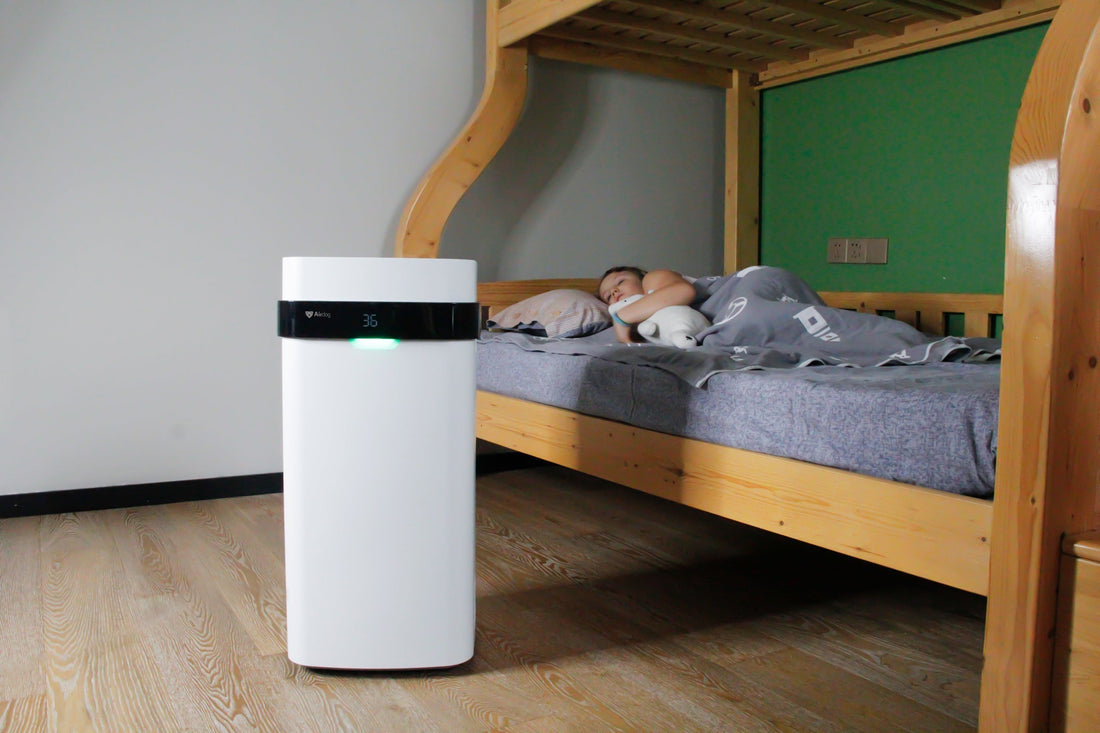
Low-noise or sleep modes reduce fan speed and dim indicator lights, keeping sound levels minimal. For light sleepers, choosing a purifier that stays under 30 dB on its lowest setting is ideal.
Focus and Productivity
In home offices, steady low-level noise is often less distracting than sudden sounds. A consistently quiet air purifier can actually fade into the background while still keeping the air clean.
How to Choose a Quiet Air Purifier
If noise is a priority, keep these tips in mind when shopping.
- Look for published decibel ratings at different fan speeds
- Choose a purifier rated for a slightly larger space than your room
- Check for sleep or night modes
- Read reviews that mention real-world noise, not just performance
- Consider how often the unit will need to run on high
A well-matched air purifier will spend most of its time running quietly.
Quiet Performance Over Time
Noise is also affected by maintenance. Dirty filters or clogged components can force a purifier to work harder, increasing sound. Regular upkeep helps maintain both performance and quiet operation.
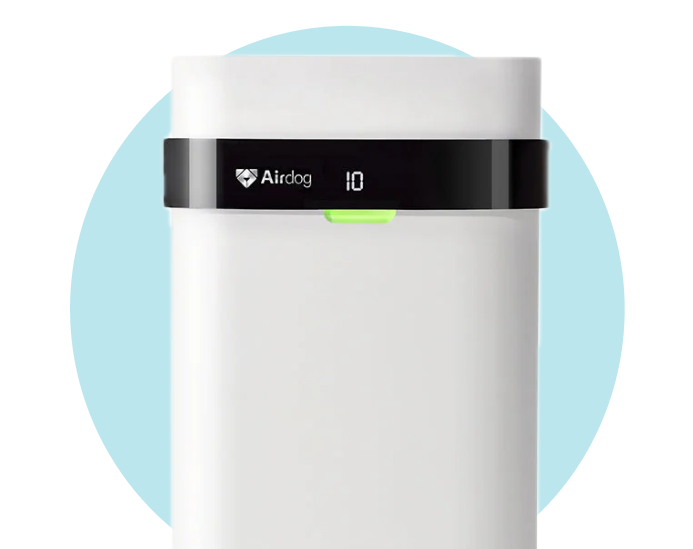
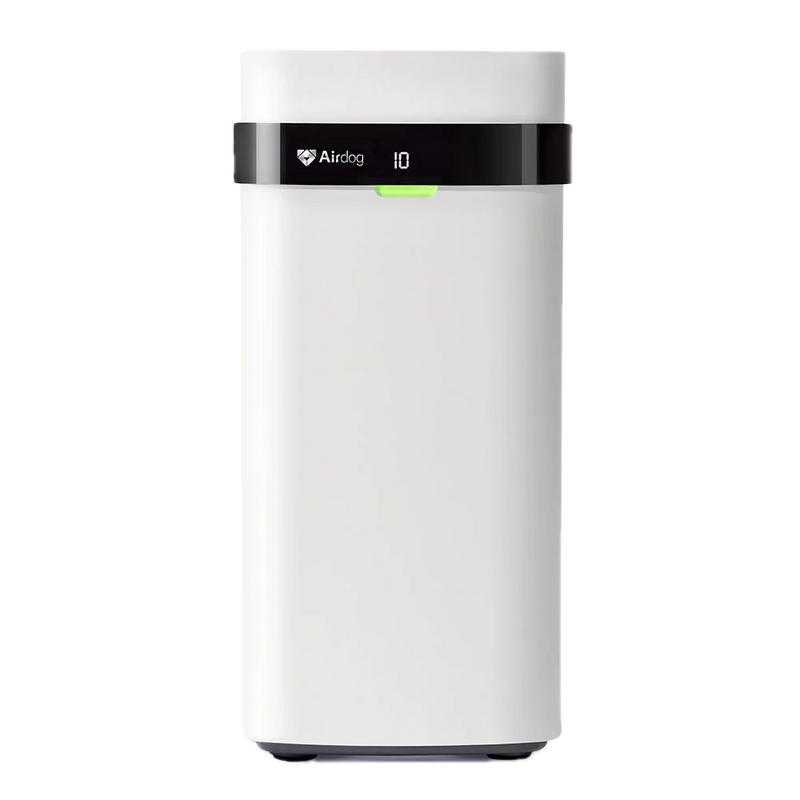
Some air purification systems focus on capturing particles without relying on disposable filters, which can help maintain consistent airflow and noise levels over time. Options like Airdog are designed to continuously remove fine airborne particles while operating quietly.
So, Are Air Purifiers Loud?
Air purifiers do make some noise, but most are far from disruptive. When you pick the right model for your space and use appropriate settings, they’re quiet enough for sleeping, working, or just relaxing at home. Higher fan speeds are usually for short-term bursts, so for everyday use, your purifier can stay virtually invisible—sound-wise.
Modern designs like the Airdog X5 run as low as 22 dB in sleep mode, making them perfect for bedrooms or calm living spaces. Even on higher settings, they stay below typical conversation levels while still delivering strong airflow. With a smart choice and proper placement, you can enjoy cleaner air without sacrificing peace and quiet, exactly what Airdog aims to deliver.
Clean air does not have to come at the cost of peace and quiet.