

Your child wakes up in the middle of the night with sudden, violent vomiting, and within hours you're facing the same misery. This scenario plays out in millions of households each year, courtesy of norovirus, one of the most contagious viruses on the planet. For parents and caregivers responsible for protecting their family's health, understanding how to prevent norovirus is essential.
Norovirus, commonly (and incorrectly) called the "stomach flu," causes acute gastroenteritis that hits fast and hard. The virus spreads with alarming efficiency through contaminated surfaces, food, and person-to-person contact. What makes norovirus particularly challenging is that it can survive on surfaces for weeks and remains contagious even after symptoms improve. According to the CDC, the virus can linger in stool for two weeks or more after you feel better, creating an extended window of risk for your household.
Understanding Norovirus Transmission
How Norovirus Spreads Through Your Home
Norovirus doesn't need much to move from person to person. A microscopic amount, as few as 18 viral particles, can trigger a full-blown infection in a healthy adult.
The virus travels through three main pathways in your household:
-
Direct contact with an infected person, such as caring for a sick child or helping an elderly parent
-
Contaminated surfaces including doorknobs, light switches, faucet handles, and phones that sick family members have touched
-
Food and water that an infected person prepared or that came from contaminated sources like shellfish
What makes norovirus particularly insidious is that people can spread the virus before they even feel sick. This silent transmission window explains why norovirus outbreaks happen so quickly in households, schools, and daycare centers.
The virus also demonstrates remarkable resilience in your environment. According to the CDC, norovirus can remain infectious on surfaces and in stool for weeks after symptoms improve. That bathroom doorknob your child touched three days ago? Still potentially contagious.
Why Hand Sanitizer Fails Against Norovirus
Many health-conscious parents keep alcohol-based hand sanitizer within easy reach. It works beautifully against bacteria and many viruses, but not against norovirus.
The virus's structure makes it highly resistant to alcohol. While hand sanitizer might reduce some viral particles, it doesn't eliminate enough to prevent infection. The CDC explicitly states that alcohol-based sanitizers should not replace handwashing when dealing with norovirus.
This limitation matters tremendously when you're trying to protect vulnerable family members. That quick squirt of sanitizer before snack time won't cut it during norovirus season.
The Critical Importance of Proper Handwashing
Soap and water remain your most powerful defense against norovirus transmission. The mechanical action of scrubbing combined with soap breaks down the virus's protective coating.
Wash hands for at least 20 seconds, focusing on these critical moments:
-
After using the toilet or changing diapers
-
Before eating or preparing any food
-
After touching surfaces in public spaces
-
Before and after caring for sick family members
The 20-second duration isn't arbitrary. Shorter washing periods leave viral particles on your hands, ready to contaminate the next surface you touch. For children who rush through handwashing, consider installing a 20-second timer near the sink or teaching them a simple song that lasts the appropriate length.
Even after someone in your household recovers and feels completely normal, strict handwashing protocols should continue.
Hygiene Practices to Prevent Norovirus
The First Five Minutes After Illness Strikes
When your child or elderly parent starts vomiting, your immediate response determines whether norovirus stays contained or spreads throughout your household.
Act within minutes, not hours. Every moment that contaminated surfaces remain untreated allows viral particles to dry and become airborne or transfer to hands, doorknobs, and other high-touch areas.
Keep a designated cleanup kit in an accessible location — ideally one per floor of your home. Stock it with disposable gloves, paper towels, plastic bags with ties, and your chosen disinfectant. When illness strikes at 2 AM, you won't waste precious containment time searching for supplies.
Proper Surface Disinfection: Why Regular Cleaners Don't Work
Your favorite all-purpose cleaner likely won't eliminate norovirus. The virus requires specific disinfectants to break down its protective shell.
The CDC recommends two proven options:
Chlorine bleach solution: Mix 5 to 25 tablespoons of household bleach (5–8% concentration) per gallon of water. The higher concentration applies to porous surfaces or heavily soiled areas.
EPA-registered disinfectants: Look for products specifically labeled as effective against norovirus. The EPA maintains a list of approved antimicrobial products that meet this standard.
Application technique matters as much as product choice. The disinfectant must remain wet on the surface for at least 5 minutes to fully deactivate the virus. Many parents spray and immediately wipe — this removes the disinfectant before it completes its job.
After the contact time passes, clean the area again with soap and hot water to remove any bleach residue, especially on surfaces where children play or eat.
The Non-Negotiable Cleanup Protocol
Put on disposable gloves before touching anything contaminated. Rubber gloves work if you wash them thoroughly afterward, but disposable options eliminate cross-contamination risk entirely.
Remove visible material using paper towels, working from the outside edges toward the center to avoid spreading particles. Place soiled towels directly into a plastic bag and seal it immediately.
Apply your chosen disinfectant generously to the affected area plus a wide margin around it — viral particles often splash farther than visible stains suggest. Set a timer for 5 minutes to ensure adequate contact time.
Bathroom incidents require extra attention: disinfect the toilet bowl, seat, handle, surrounding floor, and any nearby surfaces the sick person might have touched while ill.
The 48-Hour Isolation Rule
Keep sick family members separated from others as much as possible. Designate one bathroom for their exclusive use if your home layout allows it.
The contagious period extends well beyond symptom resolution. Someone who feels completely recovered can still shed infectious viral particles through their stool.
The CDC emphasizes waiting at least 48 hours after symptoms stop before resuming normal activities like food preparation, school attendance, or caring for others. This 48-hour buffer dramatically reduces transmission risk to vulnerable household members.
For working parents, this timeline can feel inconvenient. Yet returning a child to daycare or school too early often triggers secondary infections in other families — and sometimes brings the virus right back into your own home through a sibling.
During the isolation period, the sick person should use separate towels, drinking glasses, and eating utensils. Wash these items separately in hot water with detergent, then machine dry on high heat to eliminate any remaining viral particles.
Air Purification for Prevention and Expedited Recovery
An underappreciated tool for reducing sickness in the home is air purification. While norovirus is not airborne in the same manner as the flu is, it can still spread through the air in contaminated droplets.
Using an air purifier can help capture these particles before they reach other individuals in the home, offering another line of defense against norovirus.
Most air purifiers rely on HEPA filters, a technology developed in the 1940s. HEPA filters are effective to a point, but have significant limitations when it comes to viral infections.
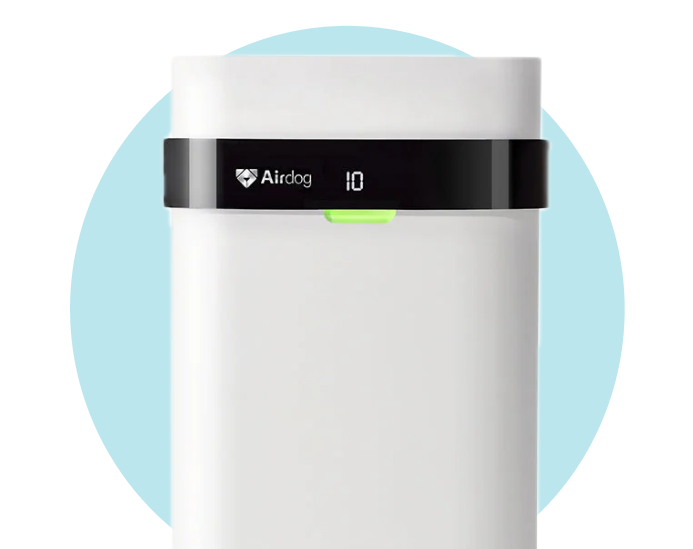
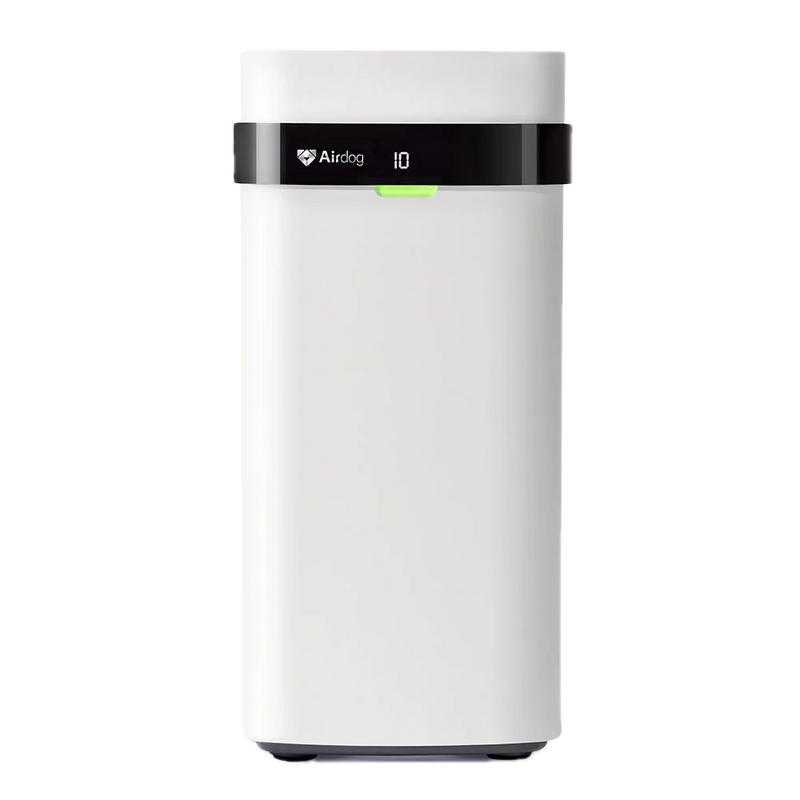
First, HEPA filters can only capture particles as small as 0.3 microns. But viruses are often much smaller than that. Airdog’s TPA® Technology offers an advanced approach to air purification by capturing particles down to 0.0146 microns, which is over 20 times smaller than what traditional HEPA air purifiers can handle.
Additionally, while HEPA filters only trap these particles, Airdog air purifiers actually destroy them. Airdog technology uses a high-voltage electrostatic field to completely eliminate viruses that could otherwise infect your family members.
Learn more about Airdog’s filtration technology here.
Food Safety Measures
Kitchen Surfaces
Your cutting board harbors invisible threats after preparing raw shellfish or unwashed produce. Norovirus particles transfer easily from contaminated food to countertops, utensils, and hands.
Clean and sanitize all surfaces that contact raw ingredients immediately after use. Soap and water remove visible debris, but you need a proper disinfectant to eliminate viral particles.
Use separate cutting boards for raw seafood and ready-to-eat foods. Color-coded boards make this system foolproof — red for raw meat and seafood, green for produce, white for dairy and bread.
Wash knives, peelers, and colanders in hot soapy water after handling raw ingredients. Your dishwasher's high-heat cycle provides an extra safety margin that hand-washing alone cannot match.
The Shellfish Temperature Rule You Cannot Skip
Oysters, clams, and mussels concentrate norovirus from contaminated water. Cooking these shellfish to an internal temperature of at least 145°F destroys the virus and makes them safe to eat, according to the CDC.
Use a food thermometer; visual cues like color or texture don't reliably indicate safety. Insert the probe into the thickest part of the seafood and wait for an accurate reading.
Steaming until shells open doesn't guarantee adequate heat penetration. The meat inside might still harbor active viral particles even when the shell gapes wide.
Raw oysters pose particular risk during winter months when norovirus cases peak. If you're preparing food for young children, elderly parents, or anyone with compromised immunity, skip raw shellfish entirely.
Produce Washing: More Than a Quick Rinse
Rinse fruits and vegetables under running water for at least 20 seconds. Standing water in a bowl simply redistributes contaminants from one item to another.
Firm produce like apples, cucumbers, and melons benefit from scrubbing with a clean brush. The friction helps dislodge viral particles trapped in natural crevices and waxy coatings.
Leafy greens require special attention — separate the leaves and rinse each one individually. Norovirus can hide between layers that a casual spray misses entirely.
Even pre-washed salad mixes warrant another rinse at home. Processing facilities occasionally experience contamination events despite rigorous safety protocols.
When You Should Never Touch Food
Stay out of the kitchen entirely if you're experiencing vomiting, diarrhea, or nausea. One symptomatic food handler can contaminate an entire meal and sicken everyone who eats it.
This timeline can disrupt meal planning for busy households. Prepare freezer meals in advance during healthy periods, or arrange for another family member to handle cooking duties.
If you live alone with young children and cannot avoid food prep while recovering, wash hands obsessively and wear disposable gloves. Stick to simple, low-contact meals that require minimal handling.
Effective Treatment Strategies
No Medicine Cures Norovirus — But You Can Manage It
No antiviral medication exists that eliminates norovirus from your system. Your immune system must fight the infection on its own, which typically takes one to three days.
Antibiotics won't help either because they target bacteria, not viruses. The CDC emphasizes that treatment focuses entirely on preventing dehydration while your body recovers.
This reality feels frustrating when your child spends the night vomiting or your elderly parent can't keep anything down. Yet understanding that hydration is the primary goal helps you focus your energy where it matters most.
Oral Rehydration Solutions: Your Most Powerful Tool
Oral rehydration solutions (ORS) replace both the fluids and electrolytes lost through vomiting and diarrhea. Plain water replaces volume but lacks the sodium, potassium, and glucose your body desperately needs.
The CDC specifically recommends ORS for managing norovirus symptoms. You can find these solutions at any pharmacy. Brands like Pedialyte, Hydralyte, and generic store versions all work effectively.
Start with small, frequent sips rather than large amounts at once. One to two tablespoons every 15 minutes prevents overwhelming a sensitive stomach and reduces the chance of immediate vomiting.
Increase the amount gradually as tolerance improves. Children often accept ORS better when it's chilled or served as frozen pops.
When Dehydration Becomes Dangerous
Severe dehydration requires immediate medical attention and possibly hospitalization for intravenous fluids. Recognizing the warning signs early can prevent a manageable illness from becoming a medical emergency.
Watch for these critical dehydration symptoms in children:
-
Crying produces few or no tears
-
Unusual sleepiness or irritability that seems different from normal illness fussiness
-
Decreased urination — fewer than three wet diapers in 24 hours for infants, or no urination for eight hours in older children
-
Dry mouth and tongue
-
Sunken eyes or soft spot on an infant's head
Elderly individuals and those with chronic health conditions face higher risk. Their bodies have less fluid reserve to begin with, and medications like diuretics compound the problem.
Monitor for dizziness when standing, extreme fatigue, confusion, or rapid heartbeat. Decreased urination and persistent dry mouth signal advancing dehydration that needs professional evaluation.
Contact your healthcare provider immediately if you cannot keep any fluids down for 12 hours or if dehydration symptoms worsen despite your best efforts at home.
Living with Norovirus: Supporting Recovery and Wellbeing
Create a Healing Environment at Home
Rest is non-negotiable during norovirus recovery. Your body fights the infection most effectively when energy isn't diverted to daily activities.
Keep sick family members in a designated room when possible. This limits contamination to shared spaces and makes cleanup more manageable.
Stock the recovery area with everything needed — a basin for emergencies, tissues, a water bottle, and ORS within arm's reach. Minimize trips to the bathroom or kitchen that could spread the virus to high-traffic areas.
What to Eat (and When to Start)
Wait until vomiting stops before introducing food. Forcing food too early often triggers another round of symptoms.
Once ready, start with a soft, bland diet that won't irritate your already-strained digestive system. The BRAT diet — bananas, rice, applesauce, and toast — remains a reliable starting point.
Add plain crackers, boiled potatoes, or clear broths as tolerance improves. Avoid dairy products, fatty foods, caffeine, and alcohol until you've felt completely normal for at least 48 hours.
Small portions matter more than what you choose. Eat a few bites every hour rather than attempting a full meal that overwhelms your stomach.
Handle Contaminated Laundry With Extreme Care
Vomit and diarrhea on clothing or bedding contain massive amounts of virus particles. Handle these items carefully to avoid dispersing norovirus into the air.
The CDC provides specific guidance: remove soiled items promptly and never shake them before washing. Shaking releases viral particles that can settle on nearby surfaces or become airborne.
Wash contaminated laundry immediately using:
-
Detergent and the hottest water the fabric can tolerate
-
The longest available wash cycle
-
High-heat drying to eliminate any remaining virus
Wear disposable gloves when handling soiled items. Place them directly into the washing machine rather than carrying them through your home.
If immediate washing isn't possible, seal items in a plastic bag until you can launder them properly.
Monitor Recovery and Know When to Call the Doctor
Most people recover fully within one to three days. Symptoms should steadily improve, not plateau or worsen.
Contact your healthcare provider if you notice any of these warning signs:
-
Bloody diarrhea or vomit
-
High fever (above 101.5°F) that persists
-
Severe abdominal pain that feels different from typical stomach cramping
-
Symptoms lasting beyond three days without improvement
-
Inability to keep down any fluids for 12+ hours
Children and elderly family members require closer observation. Their smaller fluid reserves mean dehydration develops faster and more dangerously.
Remember that norovirus can remain in stool for two weeks or more after symptoms resolve. Maintain strict hand hygiene and surface cleaning even after everyone feels better. This extended viral shedding period explains why outbreaks spread so rapidly through households — the first person to recover can still infect others who haven't gotten sick yet.