

If you’re moving into campus housing, you’re probably thinking about decor, storage hacks, and what to pack — not the air you’ll be breathing for the next nine months. But poor air quality in small, shared spaces can affect everything from sleep and allergies to your ability to focus in class.
So the real question isn’t just “Should I get an air purifier for my dorm?” It’s “Can I afford not to?”
Why Air Purifiers Matter in Dorm Living
Dorm rooms are compact, heavily used, and shared by hundreds of students cycling through each year. Here’s why an air purifier isn’t just a nice-to-have, but often a necessity:
-
Stagnant Airflow: Dorm rooms tend to trap air rather than circulate it. This leads to a buildup of dust, allergens, and odors.
-
Better Daily Comfort: Clean air isn't just about health; it's about quality of life. Clean air helps you sleep better, concentrate longer, and feel healthier overall, all essential for academic success.
-
Allergy Relief: Many students struggle with allergies or asthma. Air purifiers can significantly reduce pollen, dust mites, and mold spores that commonly circulate in dorm environments.
-
Common Pollutants: From the furniture in your room to the cleaning products used in buildings, harmful volatile organic compounds (VOCs) and particulates infiltrate the air, compromising your living environment.
With all of this in mind, the real decision becomes: what type of air purifier should you get for your dorm, and how do you choose one that actually works?
Understanding Air Quality in Dorms
Most students personalize their dorms with decor, lights, and gadgets, but forget about the air they’ll be breathing every day. Here’s what you’re actually sharing space with:
Common Pollutants in Dorm Rooms
-
Dust & Dust Mites: Live in bedding, carpets, and shared furniture.
-
Pollen: Easily tracked in from outside or blown in through windows.
-
Mold Spores: Often found in older buildings or rooms with poor humidity control.
-
Volatile Organic Compounds (VOCs): Released from cleaning sprays, candles, new furniture, beauty products, and more.
Poor Ventilation Makes It Worse
Many dorm buildings, particularly older structures, suffer from poor ventilation, which leads to:
-
Stagnant Air: Without proper air circulation, pollutants can accumulate to levels that significantly impact health.
-
Humidity Issues: Poor ventilation contributes to higher humidity levels, promoting mold growth and dust mite populations.
Why Air Purifiers Help
The EPA notes that air purifiers can significantly reduce airborne pollutants, especially in spaces with limited ventilation (like dorms). Benefits include:
-
Reduced allergy symptoms
-
Fewer respiratory issues
-
Better sleep and improved concentration
Cleaner air = better health + better grades.
Health Benefits for Dorm Residents
Air purifiers can make a noticeable difference in how you feel day-to-day in a dorm setting. With limited ventilation, shared living spaces, and plenty of potential allergens, cleaner air directly supports your comfort, health, and focus.
Reduced Allergens
Dorms collect pollen, dust, pet dander (yes, even if you don’t have a pet, your roommate’s sweatshirt might), and dust mites. A good air purifier helps remove these common triggers, supporting easier breathing and fewer allergy flare-ups.
Cleaner, Fresher Air
From leftover takeout to laundry day… or the reality of sharing a small space with someone else, odors can settle fast. Air purifiers with high-efficiency filtration help remove lingering smells so your room stays fresher.
Fewer Airborne Irritants
Shared buildings mean more airborne irritants circulating between rooms: fine dust, mold spores, and pollutants from cleaning products or old carpets. Purifiers help cut down these particles, which can improve sleep quality and reduce respiratory irritation.
Better Focus & Sleep
Cleaner air means fewer distractions from sneezing, coughing, or stuffy sinuses, all things that make it harder to concentrate. Students often report better-quality sleep after using a purifier, thanks to fewer allergens and a quieter, more stable environment.
Choosing the Right Air Purifier for Your Dorm Room
If you’ve made it this far, the answer to “Should I get an air purifier for my dorm?” is probably yes, but choosing the right one matters.
-
Size & Coverage
Dorm rooms are small, but you still want:
-
A compact purifier
-
Coverage that matches or exceeds your room’s square footage
2. Filter Types for Dorm Environments
-
HEPA Filters:
-
The most common standard in air purifiers
-
Highly effective at trapping dust, pollen, mold spores, and fine particles — all typical in dorm settings
-
Activated Carbon (optional add-on):
-
Helps reduce odors, VOCs, and chemical fumes from cleaning supplies or shared bathrooms
-
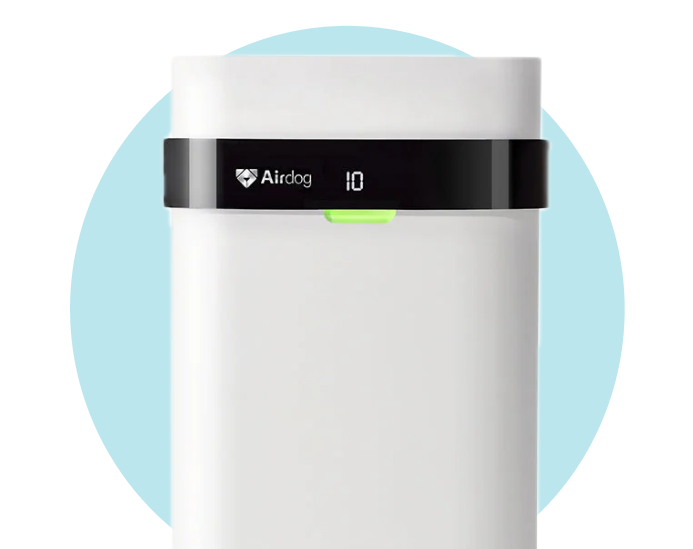
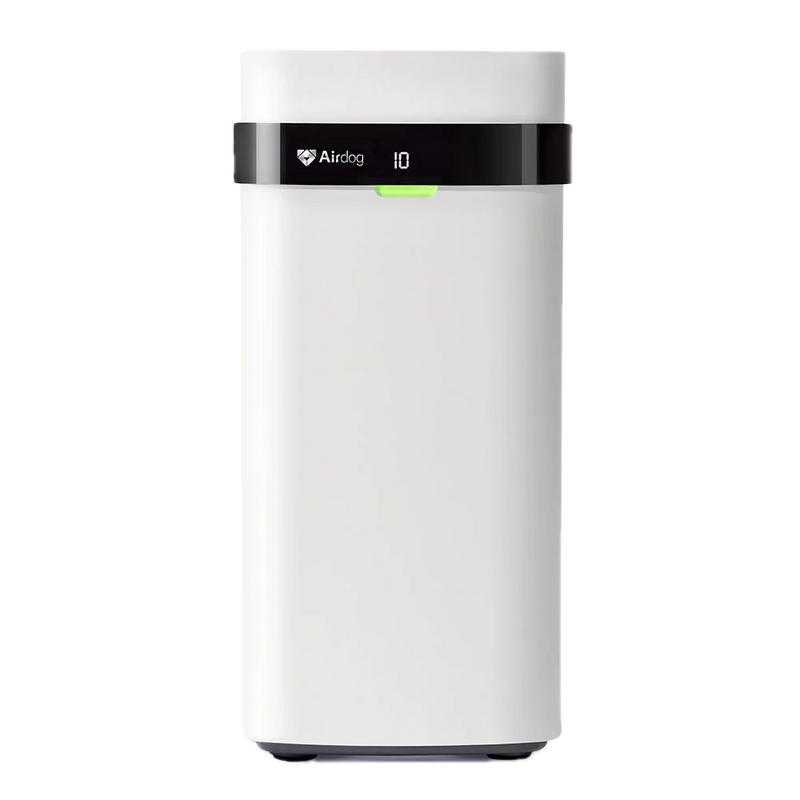
Filterless Purification (like Airdog’s TPA technology):
-
Uses charged collection plates instead of disposable filters
-
Captures extremely small particles while staying low-waste
-
No filter replacements — only periodic washing
-
A practical option for students who want cleaner air and lower long-term costs
3. Noise Level
-
Whisper-Quiet Operation: Considering the need for undisturbed study and sleep, the noise level of an air purifier is a significant factor. Choose quiet or whisper mode options so it won’t interrupt studying or sleep.
4. Energy Efficiency
-
Energy Star Ratings: Opt for air purifiers with Energy Star ratings, indicating high efficiency with low power consumption. This consideration not only ensures your air purifier is eco-friendly but also minimizes its impact on your electricity bill.
5. Easy Maintenance
-
HEPA systems:
-
Require regular filter replacements every few months
-
Replacement filters add ongoing cost
-
Performance drops if filters aren’t swapped on schedule
-
Filterless systems (e.g., Airdog-style washable plates):
-
No replacement filters needed
-
Plates can be rinsed and reused
-
Works well for busy students who prefer simple, low-cost upkeep
-
General tip:
-
Choose a purifier with a maintenance routine that realistically fits your schedule and budget so you can keep air quality high all semester long.
When contemplating "should I get an air purifier for my dorm," it's clear that the answer leans towards a resounding yes. However, the key to reaping the maximum benefits from an air purifier lies in selecting the right model. By focusing on size compatibility, filter efficiency, noise levels, energy efficiency, and ease of maintenance, you can ensure that your dorm room becomes a haven of clean, fresh air during your college years.
Cost Consideration and Budget-Friendly Options
When outfitting a dorm room, cost matters — and air purifiers range from very affordable to fairly premium. The goal is to balance price, long-term value, and the unique demands of dorm living.
Initial Investment vs. Long-term Benefits
-
Affordable entry points:
-
Many student-friendly purifiers clean small spaces effectively without a big upfront cost. Dorm rooms don’t require high-capacity units, so smaller models often work perfectly.
-
Reduced healthcare costs:
-
For students with allergies or asthma, cleaner air can reduce flare-ups — meaning fewer medications, appointments, and missed classes.
-
Energy savings:
-
Choosing an energy-efficient purifier helps keep utility costs low, especially when the device runs for long periods.
-
Filterless technology and long-term savings:
-
Systems that use washable, reusable collection plates (like Airdog's approach) eliminate recurring filter purchases. For students on a budget, avoiding $40–$100 filter replacements every few months can make a real difference.
How to Find Deals and Discounts
-
Back-to-School Sales: August and September are prime times to score lower prices on dorm essentials, including air purifiers.
-
Online Discounts & Coupon Codes: E-commerce retailers frequently run flash deals or bundle offers.
-
Refurbished Units: For those open to it, purchasing a refurbished air purifier can offer the same performance at a fraction of the cost. Ensure it comes with a warranty or guarantee for peace of mind.
-
Student Pricing: Some brands offer student-exclusive discounts when you verify with a school email.
Final Thoughts: Should You Get One?
Yes — as long as you choose the right one.
An air purifier in your dorm isn’t just a luxury. It’s a smart investment in your health, sleep, and daily comfort. When looking for one, weigh the benefits of classic HEPA filtration against the advanced, long-lasting performance of Airdog’s TPA technology.
If you want clean air now and minimal hassle later, a model like the Airdog X3 or Airdog X5 can be powerful, efficient, and budget-wise over time. So, when you’re packing for campus, don’t forget the air you’ll be breathing.