

With infants spending nearly all their time indoors, clean air isn’t just comfort—it’s health. Dust, pollen, pet dander, smoke, and other invisible particles can irritate delicate lungs, disrupt sleep, and even contribute to long-term respiratory issues.
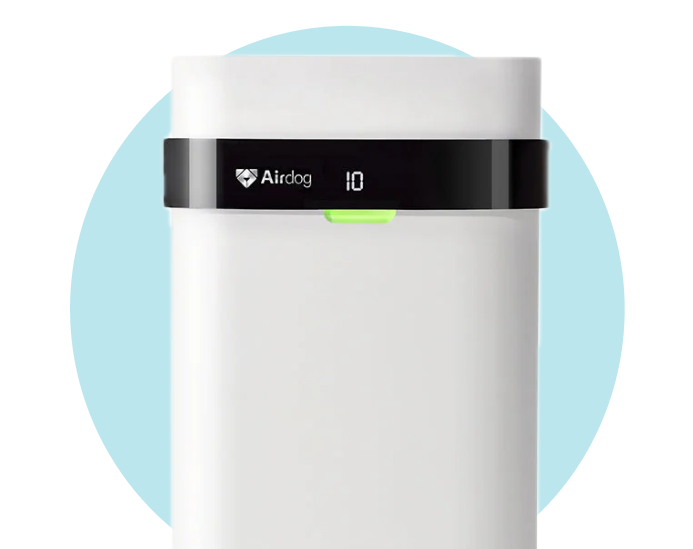
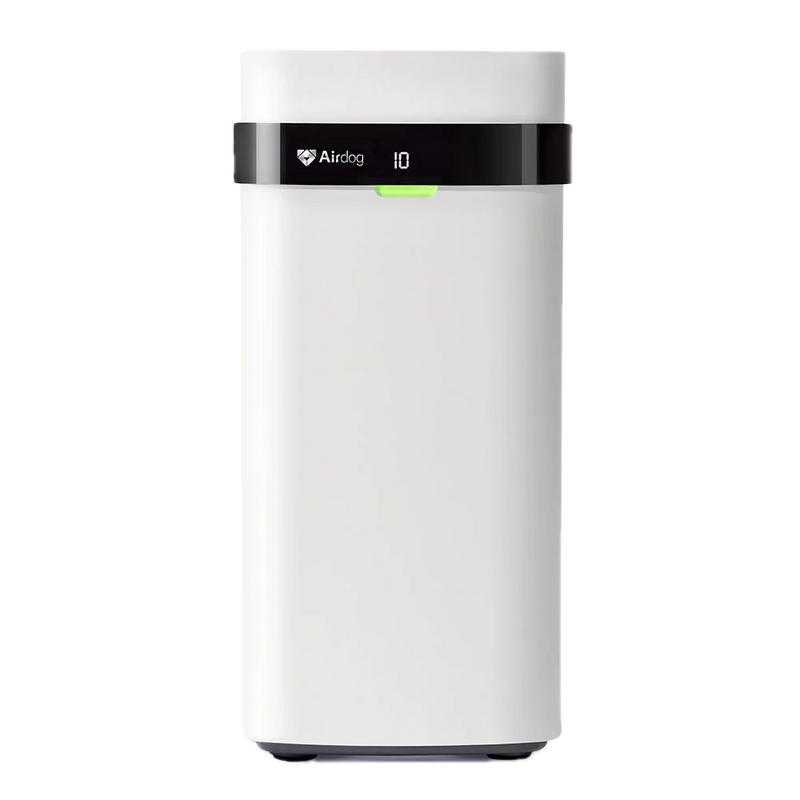
Air purifiers help reduce these risks by improving indoor air quality, creating a calmer and healthier environment for babies. In this guide, we’ll cover how air purifiers work, their benefits for infants, how to choose the right model, and practical tips for nursery use. We’ll also touch on how modern options, like Airdog air purifiers, make maintaining clean indoor air simpler for busy parents.
How Air Purifiers Work and Why They Matter
In the realm of infant health, the quality of the air they breathe stands as a silent guardian against unseen threats. As parents, understanding the mechanics and benefits of air purifiers forms a crucial part of our defense strategy.
The Mechanics of Air Purification
Air purifiers clean the air by drawing it through filters that trap pollutants before returning clean air to the room. The most effective units use multiple layers of filtration including:
- HEPA Filters: Recognized for their efficiency, HEPA filters can trap particles as small as 0.3 microns with a 99.97% success rate. This includes dust, pollen, mold spores, and more.
- Activated Carbon: Beyond particles, activated carbon layers absorb odors and gases, further sanitizing the air from volatile organic compounds (VOCs) and smoke.
- Additional Technologies: Some models use ionization or UV light to help reduce bacteria, viruses, and ultrafine particles.
Why This Matters for Babies
The developing lungs of infants are significantly more vulnerable to airborne contaminants. Air purifiers stand as a protective barrier, ensuring the air babies breathe in is as clean as possible. Cleaner air can mean:
- Reduced Exposure to Allergens: By filtering out common allergens, air purifiers can help mitigate the risk of developing allergies and asthma in children.
- Protection from Illness: The ability to remove bacteria and viruses from the air can be particularly beneficial during cold and flu season, reducing the likelihood of airborne diseases.
Real-world benefits include:
- Wildfire Smoke: With the increase in frequency and severity of wildfires, air purifiers serve as an essential tool in keeping harmful wildfire smoke particles out of our homes.
- Seasonal Allergies: For families living in areas prone to high pollen counts, air purifiers can offer relief by keeping indoor air clean.
Health Benefits of Air Purifiers for Babies
Reduced Respiratory Issues and Allergies
Cleaner air can lower allergy triggers and respiratory irritants. Purifiers help by:
- Removing Allergens: Less exposure to dust, pollen, and pet dander can reduce sneezing, congestion, and asthma flare-ups.
- Supporting Lung Health: Breathing cleaner air reduces irritation in developing lungs, helping healthy growth.
Better Sleep and Overall Comfort
Air quality directly affects sleep quality and comfort. Benefits include:
- Fewer Nighttime Disruptions: Clean air reduces congestion and irritants that can wake babies.
- Quiet Operation: Many purifiers, including Airdog models, run quietly to maintain a restful nursery environment.
- Improved Mood: Better sleep and reduced discomfort can lead to happier, more content babies.
Stronger Immune System
By filtering out bacteria, viruses, and mold spores, purifiers can help infants build a healthier immune system:
- Lower Risk of Infections: Reduces exposure to airborne pathogens.
- Support for Early Immune Development: A clean environment allows the immune system to develop without constant challenges.
Air Purifier vs. Humidifier for Newborns
While both devices improve air quality, they serve different purposes:
The Role of Air Purifiers
Air purifiers stand on the front lines in the battle against indoor air pollution, performing the crucial task of removing airborne contaminants that can harm a baby's developing respiratory system. Here's what makes them essential:
- Elimination of Airborne Particles: They efficiently reduce the concentration of harmful particles such as dust, pollen, and pet dander.
- Protection Against Illness: By capturing bacteria and viruses, air purifiers can play a part in lowering the risk of your baby catching common colds and other airborne diseases.
- Support for Allergy Prone and Asthmatic Babies: For infants showing early signs of allergies or asthma, air purifiers can be particularly beneficial in creating a cleaner breathing environment.
The Role of Humidifiers
Humidifiers, on the other hand, add moisture to the nursery's air, offering a different set of benefits crucial for infant health, especially in regions with dry climates or during colder months when indoor heating systems can dry out the air:
- Eases Breathing: The added moisture can help soothe the baby's irritated respiratory tracts, making breathing easier.
- Comfort During Illness: For babies with colds or congestion, a humidifier can alleviate symptoms, allowing for more restful sleep.
- Prevention of Dry Skin: Besides respiratory comfort, maintaining optimal humidity levels can prevent and relieve dry skin, lips, and throats.
Using Both Together: Combining a purifier and humidifier can create a nursery environment that supports both respiratory health and comfort, especially in dry or polluted climates.
Choosing the Right Air Purifier for Babies
When selecting an air purifier for a nursery, focus on features that support both clean air and uninterrupted sleep. Babies breathe faster than adults, and their developing lungs are especially sensitive to airborne pollutants, making purifier performance and design especially important.
Type of Filter
- HEPA Filters: They are considered the gold standard in air purification, capturing at least 99.97% of airborne particles as small as 0.3 microns. This includes dust, pollen, mold spores, and bacteria—common triggers for allergies and respiratory irritation in infants. Some newer systems, including Airdog air purifiers, build on HEPA filtration by pairing it with ionization technology to help capture ultrafine particles that may otherwise remain airborne.
- Activated Carbon Filters: While HEPA filters target solid particles, activated carbon filters focus on gases and odors. They absorb volatile organic compounds (VOCs), smoke, and household smells from cleaning products or cooking. Choosing a purifier that combines HEPA and activated carbon filtration helps ensure both particulate and gaseous pollutants are addressed.
- Pre-Filters: A pre-filter serves as the first line of defense, capturing larger particles. Opting for an air purifier with a washable or replaceable pre-filter can significantly reduce maintenance costs and effort.
Noise Level
- Whisper-Quiet Operation: Because air purifiers often run continuously in a nursery, quiet operation is essential. Look for units that operate under 50 decibels to avoid disrupting naps and nighttime sleep. Many parents favor purifiers designed for continuous, low-noise use, including options like Airdog, which are built to maintain performance without noticeable background noise.
- Adjustable Speed Settings: Multiple fan speeds allow parents to adapt air cleaning to different times of day. Higher settings can be used during playtime or cleaning, while lower, quieter modes are ideal for naps and overnight use—helping maintain a calm, sleep-friendly environment.
Ease of Maintenance
- Filter Replacement Indicator: Built-in indicators remove the guesswork around filter changes, ensuring the purifier continues to operate at peak efficiency. Consistent maintenance is especially important in nurseries, where clean air matters most.
- Accessible Filter Design: Air purifiers with easily accessible filters make routine upkeep simpler. Quick, tool-free filter changes are a practical advantage for busy parents managing daily schedules.
- Longevity of Filters: The lifespan of filters affects both convenience and long-term cost. Choosing models with longer-lasting filters—or systems designed to minimize frequent replacements—can make ongoing maintenance easier and more affordable.
Power Efficiency
- Energy Star Certification: Energy Star–certified air purifiers meet strict energy efficiency standards set by the U.S. Environmental Protection Agency. These models are well-suited for nurseries, as they can run around the clock without significantly increasing electricity costs.
- Eco-Friendly or Auto Modes: Some air purifiers include eco or auto modes that adjust filtration levels based on air quality. This intelligent operation reduces unnecessary energy use while maintaining consistent air cleaning, balancing performance with efficiency.
Creating a Healthier Space for Your Baby
Choosing the right air purifier is ultimately about supporting your baby’s health in the spaces where they spend the most time. From high-efficiency filtration and quiet operation to easy maintenance and energy efficiency, the right features work together to create a cleaner, calmer nursery environment.
So, are air purifiers good for babies? For many families, the answer is yes—especially when the purifier is thoughtfully selected and used consistently. Cleaner indoor air can help reduce exposure to allergens, support healthy lung development, promote better sleep, and contribute to overall comfort during a baby’s most critical early stages.
What matters most is finding a solution that fits your home and routine. Air purifiers designed with infant-friendly considerations—low noise, reliable filtration, and minimal upkeep—make maintaining clean air easier. Options like Airdog air purifiers are often chosen for this reason, offering effective air cleaning that blends naturally into everyday life without added stress.