

Radon is the second leading cause of lung cancer in the United States, right after smoking. This invisible, odorless, and tasteless gas can infiltrate your home without your knowledge, posing serious health risks for you and your family. In this article, we’ll explore whether air purifiers can help mitigate radon exposure, the science behind radon, its health implications, and the most effective strategies to keep your home safe. By the end, you’ll have a clearer understanding of how air purification fits into a comprehensive approach to radon safety.
Understanding Radon and Its Health Risks
Radon is a naturally occurring radioactive gas produced by the breakdown of uranium in soil and rock. Once it enters homes, it can accumulate to dangerous levels, especially in basements and during colder months when homes are tightly sealed.
How Radon Enters Your Home
-
Soil and Rock: The primary source of radon is the uranium in the soil and rock beneath our homes. As uranium decays, radon gas forms and moves upward.
-
Entry Points: Cracks in floors, gaps around service pipes, construction joints, and even the water supply can serve as entry points for radon into a home.
-
Accumulation: Once inside, radon can accumulate to high levels, especially during the colder months when homes are sealed tight to conserve heat, reducing ventilation.
The Health Risks of Radon Exposure
-
Lung Cancer: Radon exposure is the second leading cause of lung cancer in the U.S., with risk increasing alongside exposure levels and duration.
-
High-Risk Groups: Children, the elderly, and those with pre-existing respiratory conditions are particularly vulnerable.
-
Statistics: Thousands of lung cancer deaths annually are attributed to radon exposure, and smokers exposed to radon face an even greater risk.
Challenges in Detecting Radon
-
Invisible Threat: Radon's colorless, odorless, and tasteless nature makes it impossible to detect without specialized testing. This characteristic adds to its danger, as one may live with high levels of radon for years without knowing.
-
Importance of Testing: Regular radon testing is the only way to know if your home has high radon levels. The EPA recommends testing every two years, as radon levels can fluctuate based on changes in your home or the environment.
-
Test Kits: Various types of radon test kits are available, offering both short-term and long-term testing options. For a thorough assessment, long-term tests that capture seasonal variations provide a more accurate picture of average radon levels.
How Air Purifiers Interact With Radon
The question arises: do air purifiers help with radon? The answer depends on understanding the difference between radon gas and its decay products.
HEPA and Activated Carbon Filters
-
HEPA Filters: Excellent at trapping particulates like dust, pollen, and mold spores, but they cannot capture radon gas due to its tiny atomic size.
-
Activated Carbon Filters: Designed to adsorb gases and odors, they can trap some volatile compounds, but radon gas passes through easily.
Challenge of Radon Gas for Standard Air Purifier Filters
Radon gas, due to its tiny atomic size, easily eludes the filtration capabilities of standard air purifiers. Unlike larger particles like dust or pollen, radon does not adhere to the filtering media found in most air purifiers. This characteristic of radon gas necessitates a different approach to mitigation, focusing on its decay products rather than the gas itself.
Radon Decay Products
Radon itself decays into radioactive particles that can attach to dust in the air. These particles are the main health concern because they can lodge in the lungs when inhaled. HEPA-equipped air purifiers can capture these decay products, potentially reducing the inhalation risk. However, purifiers cannot eliminate radon gas or fully replace other mitigation measures.
Distinction Between Radon Gas and Its Decay Products
Understanding the difference between radon gas and its decay products is crucial in assessing the efficacy of air purifiers in radon mitigation. While air purifiers face challenges in capturing radon gas due to its size and nature, they offer potential benefits in reducing exposure to radon decay products.
Expert Guidance and EPA Recommendations
The Environmental Protection Agency (EPA) is clear: air purifiers should not be relied upon as a primary radon mitigation method. Radon gas bypasses standard air purifier filters, meaning these devices have minimal effect on overall radon levels.
Effective Radon Reduction Methods
In response to the limitations of air purifiers in reducing radon, the EPA recommends a series of alternative strategies. These techniques target radon at its entry point or reduce its concentration:
-
Soil Suction: This method involves drawing radon from beneath the home and venting it outside. It's effective in preventing radon from entering indoor spaces.
-
Sealing Cracks in Foundation: Sealing gaps and cracks in the foundation and walls limits the entry of radon into the home, acting as a critical first line of defense.
-
Positive Pressure Ventilation: Increasing the air pressure inside your home with fans can help push radon out, although this method should complement other mitigation techniques.
Choosing the Right Air Purifier
If you want to include air purification as part of your radon strategy:
-
Prioritize Activated Carbon Filters: For radon concerns, air purifiers equipped with activated carbon filters prove most beneficial. These filters excel at gas adsorption, including radon's decay products, making them indispensable in the fight against radon.
-
Consider Room Size: Ensures adequate air circulation and filtration.
-
Consider CADR (Clean Air Delivery Rate): A higher CADR filters air more efficiently, especially important in rooms with elevated radon levels.
-
Regular Maintenance: Ensure the air purifier you choose is one you can maintain easily, especially when it comes to replacing filters. Regular maintenance is key to sustaining the purifier's effectiveness over time.
Integrating Air Purifiers With Comprehensive Radon Mitigation
A complete radon safety plan combines multiple approaches:
-
Test Your Home for Radon: Begin with a professional or DIY test to establish baseline levels.
-
Seal Entry Points: Prevent radon from entering where possible.
-
Enhance Ventilation: Use fans and vent pipes to reduce radon concentrations.
-
Use Air Purifiers for Decay Products: Target airborne radon decay particles to supplement your mitigation strategy.
-
Retest: After implementing mitigation measures, retest to ensure radon levels are safely reduced.
By combining these methods, homeowners can address both radon gas and its decay products, improving air quality and reducing health risks.
Putting It All Together: Do Air Purifiers Help With Radon?
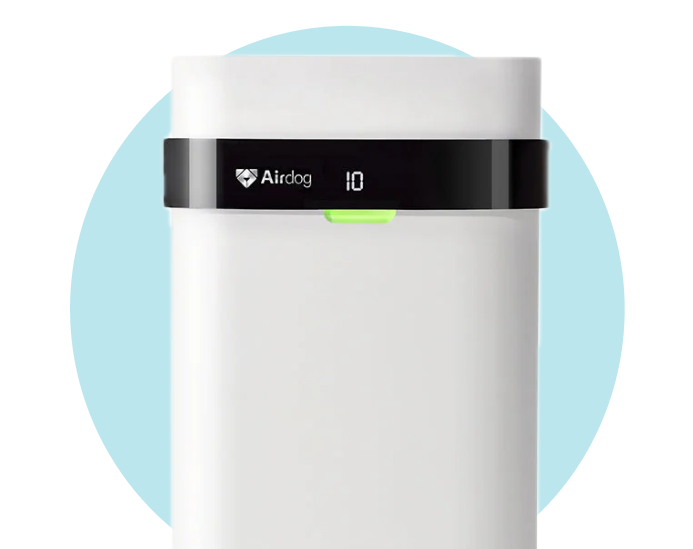
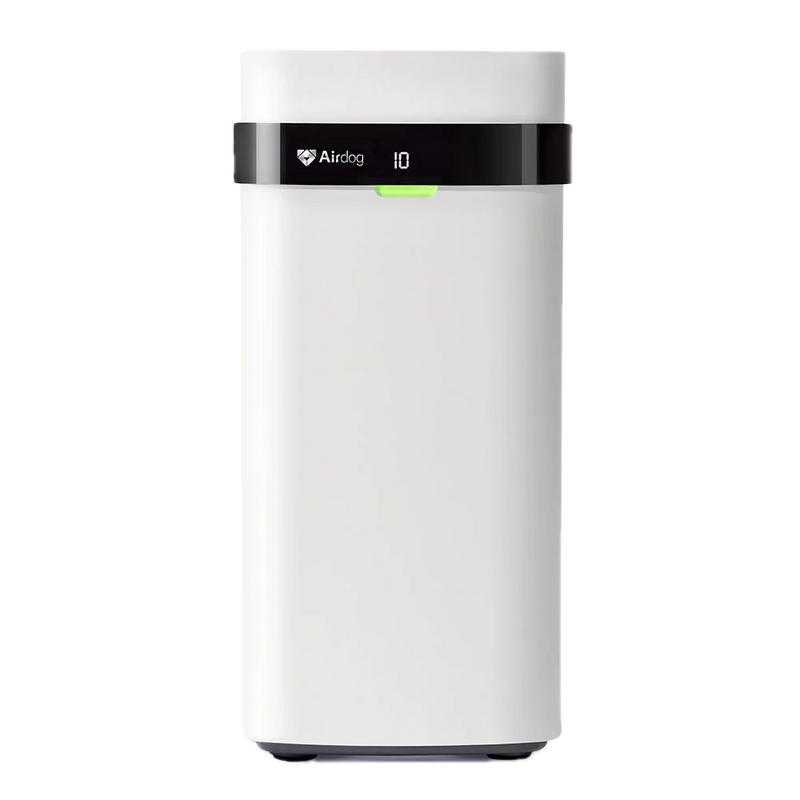
Radon is a serious indoor health risk, and while no air purifier can remove radon gas, they can help reduce radon decay products—the tiny radioactive particles that attach to dust and can be harmful when inhaled. Devices like Airdog, with its advanced TPA technology, capture fine airborne particles, including those linked to radon decay products, supporting cleaner and healthier indoor air.
Combined with essential mitigation steps like testing your home, sealing entry points, and improving ventilation, an air purifier like Airdog adds an extra layer of protection, helping you maintain safer air and peace of mind for your family.