

Your toddler wipes his nose with his hand, then grabs the TV remote. Your teenager comes home from school and collapses on the couch without washing up. Meanwhile, you're touching grocery carts, doorknobs, and shared devices dozens of times a day, each one a potential pathway for viruses to reach your family. The question isn't whether germs will enter your home; it's how to not get sick and keep your family healthy.
Here's the truth about how to not get sick: you can't create a germ-free bubble around your household. If you want to know how to not get sick, the answer isn’t perfection. It’s two strategic shifts:
-
Lower your exposure. Cut down how often germs actually reach your eyes, nose, and mouth.
-
Raise your resilience. Help your body respond better when it does encounter a virus.
This guide focuses on high-impact habits that fit into a real household routine, not some impossible standard of perfection. You'll learn which moments truly matter, which surfaces to prioritize, and how to create an air strategy that doesn't require constant effort.
No shame, no overwhelm. Just practical tools that work when you're already stretched thin.
How Illness Actually Spreads at Home
Most everyday illnesses move through your home in two main ways:
Airborne droplets and aerosols.
Respiratory viruses—the ones behind colds, flu, COVID-19, and RSV—spread primarily through droplets and aerosols when people cough, sneeze, or even talk. Someone infected releases thousands of tiny particles into the air, and those particles can land on surfaces or be breathed in by others nearby.
Hand-to-face-transfer.
The second pathway matters just as much in households with kids: hands touching contaminated surfaces, then touching the face. Your eyes, nose, and mouth are direct entry points for viruses. When your child touches a doorknob covered in germs and then rubs their eyes, those germs have a clear path into the body. This hand-to-face transfer explains why handwashing remains one of the highest-return habits for preventing illness.
Instead of disinfecting everything, focus on high-risk moments:
-
School drop-off and pick-up (high-touch doors, railings, sign-in tablets)
-
Grocery carts and shared shopping baskets
-
Phones, remotes, tablets, and game controllers passed between family members
-
Playdates and group activities where kids share toys and snacks
-
Caring for a sick family member (wiping noses, handling tissues, changing sheets)
These moments create the biggest risk because they combine high germ exposure with easy pathways to your face. Small habit changes at these touchpoints create outsized protection.
Hands: The Highest-ROI Habit (And How to Do It So It Actually Works)
If you could pick just one habit to protect your family from getting sick, handwashing wins—every time. It's the single most effective tool you have against respiratory infections, stomach bugs, and the endless cycle of classroom germs coming home. But here's the problem: most of us don't wash our hands correctly, and we miss the critical moments when it matters most.
The 5-Step Technique That Actually Removes Germs
Proper hand washing has five essential steps. Each one serves a specific purpose—skip a step, and you leave germs behind.
Step 1: Wet your hands with clean, running water. This prepares your skin to create a proper lather with soap.
Step 2: Apply soap and lather thoroughly. Work the soap across the backs of your hands, between every finger, and under your nails. Nearly 97% of people miss these critical zones—especially under the nails and in the webs between fingers, where germs love to hide.
Step 3: Scrub for at least 20 seconds. This is roughly the time it takes to sing "Happy Birthday" twice. That duration matters because it takes time for soap to break down the oils and debris that trap bacteria and viruses on your skin.
Step 4: Rinse completely under clean, running water. Soap alone doesn't kill germs; it lifts them off your skin so water can wash them away.
Step 5: Dry your hands with a clean towel or air-dry them. Damp hands transfer germs more easily than dry ones, so this final step completes the protection.
The fingernail and finger-web emphasis isn't just perfectionism—it's where the science points. When you rush through handwashing and skip these areas, you're leaving the exact spots where germs concentrate and survive.
Building a "Wash at the Right Times" Routine for Parents
Knowing when to wash matters as much as knowing how.
Always wash after:
-
Wiping noses (yours or your kids')
-
Helping with bathroom visits or diaper changes
-
Handling pets, pet food, or pet waste
-
Taking out the trash
-
Caring for anyone who's sick
Always wash before:
-
Preparing food or eating
-
Treating cuts or wounds
Make this routine stick by removing friction. Put a sturdy step stool near every sink so your kids can reach without help. Install soap pumps at kid height—the kind they can operate themselves. Practice the "Happy Birthday twice" timing together during calm moments, not when everyone's rushing out the door.
When handwashing becomes part of the predictable rhythm of your day (after school drop-off, before snack time, after playing with the dog), it stops feeling like one more thing to nag about. Your kids will start doing it automatically because the setup makes it easy.
Using Hand Sanitizer Correctly (Not as a Magic Shield)
Hand sanitizer serves a specific purpose: it's your backup when soap and water aren't available. It's not a replacement, and it's not equally effective in all situations.
Choose an alcohol-based sanitizer with at least 60% alcohol—this concentration is what actually kills germs.
Apply enough sanitizer to cover all hand surfaces, then rub your hands together until they're completely dry. This drying time matters; germs aren't eliminated instantly when sanitizer touches your skin.
Switch back to soap and water as soon as possible, especially after bathroom use or when your hands have visible dirt or grime. Sanitizer can't remove certain types of germs (like norovirus) or physical contamination—it only works on relatively clean hands.
Think of sanitizer as your on-the-go solution for moments like leaving the grocery store, finishing a playdate at the park, or touching shared equipment at the playground. Keep a small bottle in your bag, your car, and your diaper bag. But when you get home, head straight to the sink for proper handwashing.
Reducing the Face-Touch Pathway with a Concrete Trick
Even perfect handwashing won't help if your kids (or you) constantly touch their faces throughout the day. Germs spread when you touch contaminated surfaces and then touch your eyes, nose, or mouth—and most of us touch our faces dozens of times per hour without realizing it.
Here's a practical strategy that works when you're out in public: designate a "clean hand" and a "dirty hand." Your clean hand handles snacks, adjusts glasses, or touches your face if absolutely necessary. Your dirty hand opens doors, holds railings, pushes elevator buttons, and touches shared surfaces.
This simple system creates a barrier between germ-heavy surfaces and your face. It takes a few trips to the store to build the habit, but once it clicks, it becomes automatic.
Keep tools accessible that reduce face-touching triggers. Tuck tissues in every pocket and bag so no one has to wipe their nose with their hand. Give kids with long hair a stash of hair ties so they're not constantly pushing hair out of their eyes with contaminated fingers. These small adjustments remove the reasons people touch their faces in the first place.
When you combine proper handwashing technique, strategic timing, correct sanitizer use, and face-touch reduction, you've built a comprehensive hand hygiene system that dramatically lowers your family's exposure to illness—without adding hours to your day or creating constant conflict with your kids.
Vaccines + Planning Ahead: Prevent the Worst Days, Not Just the Mild Ones
The Single Most Effective Protection Against Seasonal Flu
The CDC states clearly: the single best way to reduce your risk of seasonal flu and its potentially serious complications is getting vaccinated each year.
Not handwashing. Not vitamins. Not any supplement or wellness routine—vaccination tops the list. Vaccination remains the most effective protection against severe flu complications. Staying current on flu, COVID-19 boosters, and RSV protection where eligible significantly reduces risk of serious illness.
Vaccines may not prevent every infection but they do reduce severity, missed school, missed work, and complications.
Schedule your family's shots early in fall and attach the appointment to something you're already doing. Pair it with back-to-school physicals, annual checkups, or the week you typically buy new shoes for the school year. When vaccination becomes part of an existing routine rather than a separate task, it actually happens.
Call your pediatrician's office or local pharmacy in late August or early September. Many locations offer walk-in flu shots, but booking ahead means you control the timing and avoid the October rush when everyone suddenly remembers.
What "Up to Date" Actually Means for Your Family
"Up to date" confuses people because it sounds permanent—like once you're current, you stay current. That's not how seasonal respiratory virus protection works.
Being up to date means having the recommended doses for your age and risk group this season—not a lifetime status. It's a moving target that changes based on new vaccine formulations, emerging variants, and updated guidance from health authorities.
The CDC and OSF Healthcare both emphasize that vaccines may not prevent every infection. You might still catch flu or COVID-19 even after vaccination.
But here's what matters for parents: vaccines can significantly reduce severity. That distinction means the difference between a mild cold that keeps your kid home for two days versus a week-long illness with high fever, or between you feeling run-down versus being completely knocked out and unable to care for your family.
When you're trying to avoid missed work deadlines, canceled holiday plans, or your child's respiratory infection turning into something that requires medical intervention, reducing severity is a huge win.
Getting Personalized Guidance for Your Household's Specific Risks
Not every family faces the same illness risks. Your household's specific situation—who lives in your home, existing health conditions, and daily exposures—should shape your vaccination priorities.
OSF Healthcare encourages families to ask their primary care provider about household-specific risk factors and which vaccines matter most this year.
Schedule a quick conversation (or send a patient portal message) asking about:
-
Asthma or other respiratory conditions in any family member—these increase complication risks from respiratory viruses
-
Older adults living in your home or whom you visit regularly—they face higher risks from flu, COVID-19, and RSV
-
Infants or young children who haven't built immunity yet and can't be vaccinated against certain illnesses
-
Immune-compromised family members who depend on everyone else's immunity to stay protected
Your provider can tell you which vaccines are the highest priority, optimal timing for your family, and whether anyone needs additional doses beyond standard recommendations. This personalized guidance removes guesswork and helps you make informed decisions based on your actual circumstances rather than general advice.
Home Defense That Doesn't Feel Like a Second Job
Understanding Cleaning vs. Disinfecting (and Why Both Matter)
Most people use "cleaning" and "disinfecting" interchangeably. They're not the same thing—and knowing the difference helps you protect your family more effectively.
Emory Healthcare explains that cleaning removes dirt and germs from surfaces, while disinfecting actually kills the germs. You need both.
Here's where families waste effort: grabbing a disinfectant wipe and doing a quick swipe across a surface, then moving on immediately. That doesn't work.
Every disinfectant product has a required contact time—the number of minutes the surface must stay visibly wet for the product to kill germs. Check your product label. Many require 3-4 minutes of wet contact time, but most people wipe and walk away in 10 seconds.
If you're not following the contact-time instructions, you're just spreading germs around—not eliminating them.
Target the True Hotspots (Don't Waste Time on Everything)
You don't need to disinfect your entire house daily. That's exhausting, unsustainable, and unnecessary.
FOcus on high-touch surfaces that actually matter:
-
Keyboards (laptop and desktop)
-
Phones (cell phones and landlines)
-
TV remotes
-
Faucet handles
-
Doorknobs (especially bathroom and bedroom doors)
-
Kitchen counters
-
Desks (work and homework areas)
These surfaces get touched dozens of times daily by multiple family members. They're germ highways.
Create a 2-minute nightly wipe-down routine during peak illness season (roughly October through March). Set a timer. Hit these seven surface types with disinfectant wipes or spray, let them stay wet for the required contact time, then move on.
When someone in your house starts coughing or sneezing, increase frequency to twice daily—once in the morning after everyone leaves for school/work, once before bed.
This targeted approach takes less time than scrolling social media and makes a measurable difference in how illness spreads through your household.
Creating Your Sick-Room Micro-Plan
When illness enters your house—and it will—having a plan prevents the "everyone gets it" domino effect.
Assign one bathroom to the sick person if your home layout allows it. Everyone else uses the other bathroom(s). This single step dramatically reduces shared-surface exposure.
Set up the sick room with everything needed for self-containment:
-
Box of tissues within arm's reach
-
Lined trash bin (use a grocery bag as liner for easy disposal)
-
Hand sanitizer bottle
-
Water bottle or cup designated for this person only
-
Their own set of utensils, bowl, and plate
The CDC recommends keeping distance from sick individuals and staying home while contagious. Your sick-room setup supports both goals—the ill person can rest without constantly moving through shared spaces, and the rest of the family can maintain normal routines in other areas.
Wipe the most-touched surfaces in the sick room once daily until symptoms improve: light switches, doorknobs, bedside table, phone. The sick person can do this themselves if they're well enough (gives them something productive to do), or you can do a quick pass while they're sleeping.
This containment strategy isn't about isolation or making anyone feel bad. It's practical risk reduction that protects younger siblings, elderly family members, or anyone with asthma or other respiratory vulnerabilities living in your home.
Upgrading Coughing and Sneezing Etiquette at Home
Your kids have heard "cover your mouth" a thousand times. They still cough into their hands, then touch everything.
Make it memorable with one fact from Emory Healthcare: a cough travels up to 50 miles per hour with 3,000 droplets of saliva; a sneeze hits 200 miles per hour with 40,000 droplets.
That's faster than a car on the highway, spraying thousands of potential germ particles across your kitchen.
Teach this simple script during calm moments—not mid-meltdown when someone's already sick:
-
Feel a cough or sneeze coming? Grab a tissue fast.
-
No tissue in reach? Use your elbow (the inside crook of your arm), not your hands.
-
After coughing or sneezing, wash your hands immediately.
Practice this when everyone's healthy and in good moods. Make it a game with younger kids—who can demonstrate the "elbow catch" fastest? Can they race to the sink after a practice sneeze?
The "teach, don't nag" approach works because you're building muscle memory before stress and symptoms make everyone irritable. When your child actually gets sick and starts coughing, the behavior is already established rather than being introduced as a new rule during a difficult moment.
Keep tissue boxes in every main living area—one in the family room, one on the kitchen counter, one in each bathroom, one in each bedroom. Accessibility removes the excuse of "I couldn't find a tissue."
Air Strategy: Make Your Home Less Friendly to Viruses
What "Cleaner Air" Actually Means
Part of knowing how to not get sick is reducing airborne germs indoors. This is accomplished by adding outdoor air, filtering indoor air, or choosing outdoor gatherings when possible.
Most families focus exclusively on surfaces and handwashing while ignoring the air everyone breathes for hours each day.
Respiratory viruses don't just live on doorknobs. They travel through the air in droplets and aerosols when people cough, sneeze, or even talk. Your family breathes the same indoor air repeatedly—recirculating whatever particles are floating around.
Fresh outdoor air dilutes those concentrated particles. It's simple physics applied to your living room.
The Practical Ventilation Routine That Fits Family Life
Surface cleaning matters. So does the air everyone breathes.
Respiratory viruses travel in droplets and aerosols. Without ventilation, particles accumulate indoors.
Simple Ventilation Routine
-
Open windows for 5-15 minutes daily
-
Air-flush after gatherings
-
Prioritize bedrooms and main living areas
-
Increase ventilation when symptoms begin
Best times to air-flush your home:
-
Right after school drop-off (the house is empty; no one's complaining about being cold)
-
After playdates end (multiple kids breathing and playing in close quarters for hours)
-
When someone starts showing symptoms (catch it early before viral particles build up)
-
Morning and evening during peak illness season (October through March)
You don't need to open every window. Crack two windows on opposite sides of your home to create cross-ventilation—one upstairs and one downstairs works even better because warm air rises and pulls fresh air through.
Cold weather doesn't eliminate the benefit. Even a 5-minute flush in winter exchanges a significant volume of air without dramatically affecting your heating bill.
Filtration as a Support Layer
Air purifiers cannot replace hand hygiene or vaccination. But filtration can reduce airborne particles in shared spaces, especially during peak illness season.
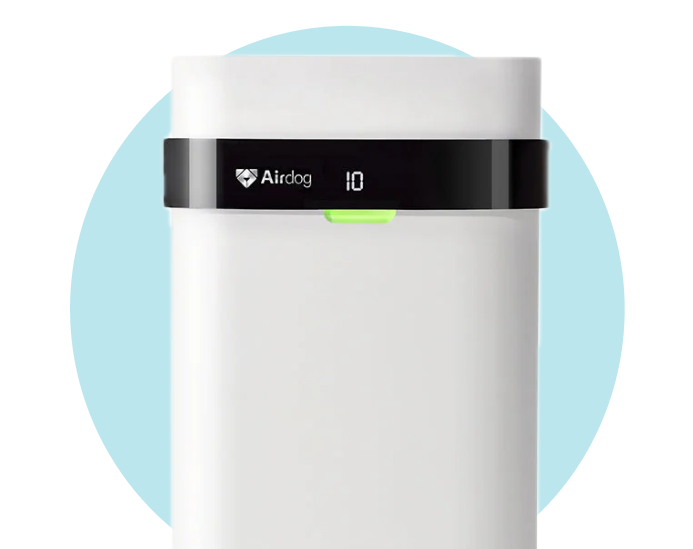
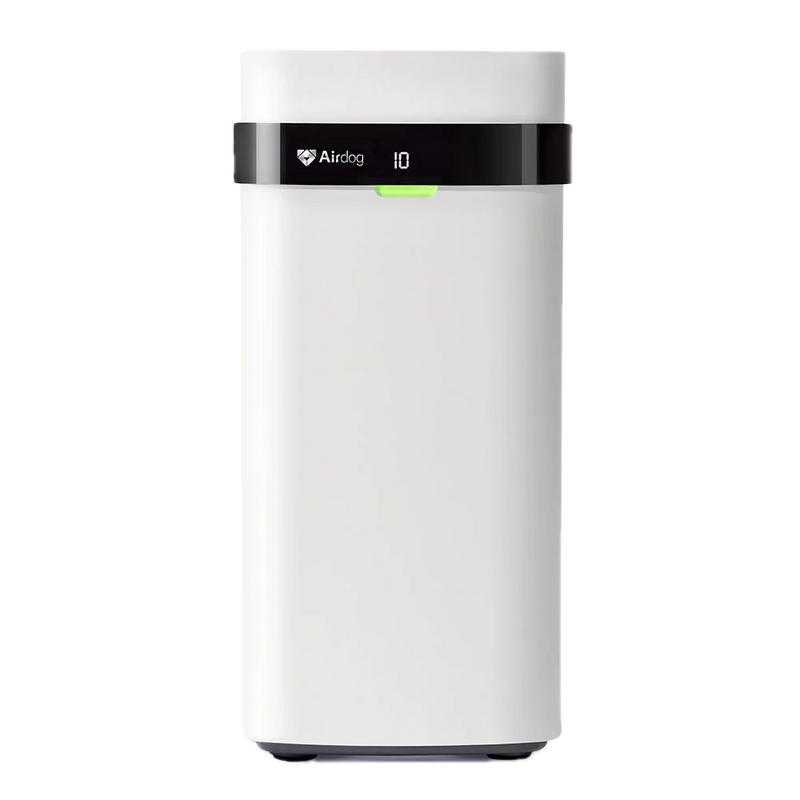
Look for systems that capture ultrafine particles without requiring constant disposable filter replacements. Air purifiers like Airdog’s TPA technology are designed to capture extremely small particles while avoiding recurring filter waste. In bedrooms and main living areas, that added layer can support your broader prevention strategy with minimal ongoing effort.
Consistency matters more than complexity.
Don't Spread It + Bounce Back Faster
The 24-Hour Rule That Stops Ping-Pong Infections
You're staring at your kid on day three of their cold, wondering: school or another day home?
Resume normal activities when, for at least 24 hours, symptoms are improving overall AND there's no fever without fever-reducing medication.
Both conditions must be true. Not just "feeling a little better" or "only a low-grade fever if I skip the Tylenol."
This rule protects your entire household from ping-pong infections—that exhausting cycle where one child gets sick, passes it to a sibling, who then re-infects the first child with a slightly mutated version. You end up with six weeks of rotating illness instead of two weeks total.
Sending kids back to school too early creates the same problem at a larger scale. Your child becomes the source for three classmates, who each infect their siblings, who bring new variants back to your child.
The 24-hour fever-free window ensures your child's immune system has genuinely gained the upper hand. Their body temperature has stabilized without pharmaceutical help—a reliable indicator that viral replication has slowed significantly.
Track symptoms honestly. "Improving overall" means the worst is clearly behind you, not just a temporary good morning before symptoms worsen again by afternoon.
Hydration as Your Practical Support System
The common cold triggers dramatic mucus production, which rapidly depletes your body's water reserves as your immune system works overtime.
Staying hydrated doesn't cure illness, but it prevents dehydration, soothes scratchy throats, and loosens congestion so your body can clear it more effectively.
Create a "sick-day drink station" before anyone gets sick. Keep it simple: a large water bottle, boxed broth, caffeine-free tea bags, and honey.
When someone wakes up feeling terrible, decision fatigue hits hard. You don't want to stand in front of the pantry at 6 AM trying to remember what helps a sore throat.
The station eliminates that friction. Everything's in one spot, ready to grab.
Aim for clear fluids throughout the day—water, broth, diluted juice, herbal tea. Skip the "eight glasses" pressure; just drink consistently enough that urine stays pale yellow.
Warm liquids provide extra comfort for sore throats and help thin mucus better than cold drinks. Keep a thermos of warm broth or decaf tea within arm's reach of the couch.
Sleep Debt and the Immunity Connection
Sleep debt means chronic short sleep that accumulates over time and weakens your immune response. One late night doesn't wreck your defenses, but weeks of 5-hour nights absolutely do.
Your immune system performs critical maintenance during deep sleep—producing infection-fighting antibodies, clearing cellular waste, consolidating immune memory.
For kids, establish consistent bedtime routines even when life gets hectic. Same wind-down activities, same sequence, same target bedtime. Consistency matters more than perfection.
Adults need realistic wind-down strategies too. You won't suddenly start sleeping 8 hours if you're currently getting 6, but you can add 30 minutes by setting a phone alarm for "start bedtime routine."
Sleep deprivation compounds during illness season. You're already fighting environmental stressors; don't handicap your immune system by running on empty.
Movement Without the Pressure
Moderate, regular activity supports overall wellness—but during busy seasons packed with school events, work deadlines, and sick kids, consistency beats intensity.
You're not training for a marathon. You're maintaining baseline wellness so your body can respond effectively when exposed to viruses.
A 20-minute walk after dinner counts. Light strength training twice weekly counts. Playing tag in the backyard with your kids counts.
The goal: keep moving regularly rather than oscillating between workout binges and complete inactivity.
Movement also manages stress, which directly impacts immune function. Chronic stress elevates cortisol, which suppresses your immune response over time.
When someone in your house gets sick, adjust expectations. Gentle walks are fine; intense workouts can temporarily tax an already-working immune system. Listen to your body's signals about what feels supportive versus depleting.
Final Takeaway: Lower Exposure. Raise Resilience.
If you’re still wondering how to not get sick, remember this: layered defenses matter more than perfection.
Wash hands correctly. Stay current on vaccines. Disinfect high-touch surfaces efficiently. Improve ventilation. Add consistent air filtration in shared spaces. Protect sleep and hydration.
Air purifiers aren’t a replacement for hygiene, but they can support your prevention system by reducing airborne particles that circulate indoors, especially during peak illness season. Systems like Airdog, are designed to capture ultrafine particles and offer a low-maintenance way to support cleaner indoor air without recurring filter replacements.
These aren’t dramatic changes. They’re small systems layered together.
And layered systems are what keep one exposure from becoming two weeks of sickness in your home.