

Every parent knows that sinking feeling when the first sniffle echoes through the house during flu season. Within days, what starts as one child's runny nose can spread through the entire household, disrupting work schedules, sleep routines, and peace of mind. The statistics tell a sobering story: each year, millions of Americans contract the flu, with children being among the most vulnerable and efficient spreaders of the virus within homes.
Understanding how to prevent the flu transforms from a casual concern into an urgent priority when you're responsible for protecting your family's health. This guide cuts through the noise to deliver practical, science-backed strategies that work in real homes with real families. You'll discover how clean air, targeted hygiene practices, and smart home management create multiple layers of defense against seasonal illness. These aren't theoretical concepts—they're actionable steps you can implement today to reduce your family's risk of flu transmission and create a healthier living environment for everyone under your roof.
What if the key to keeping your family healthy this season isn't just about reacting to illness, but proactively building a home environment where viruses struggle to spread?
Understanding How the Flu Spreads at Home
The flu spreads through your home in predictable ways: shared air carries infectious particles, hands touch contaminated surfaces and then faces, and family members naturally spend extended time in close contact. Recognizing these transmission pathways helps you focus your prevention efforts where they matter most.
The home environment plays a crucial role in either facilitating or preventing flu spread. When one family member brings the virus home, the indoor space becomes a concentrated area where everyone breathes the same air, touches the same doorknobs, and shares common spaces. This proximity makes households particularly vulnerable during flu season, but it also means that strategic improvements to your home environment can protect multiple family members simultaneously.
Health-conscious families prioritize prevention because treating illness after the fact disrupts everyone's routines and well-being. Young children with developing immune systems, elderly relatives, and anyone with respiratory sensitivities face heightened risks from flu complications. The good news: you don't need expensive renovations or complicated protocols to significantly reduce flu transmission risk in your home.
Clean air is a cornerstone of effective flu prevention. The virus travels through respiratory droplets that linger in indoor air, particularly in poorly ventilated spaces. When you improve air quality through proper ventilation and filtration, you reduce the concentration of viral particles that family members might inhale. This approach works continuously in the background, providing protection even during normal daily activities when hand hygiene might slip or surfaces go uncleaned.
Home hygiene extends beyond surface cleaning to encompass daily habits that interrupt the virus's journey from person to person. Simple practices—when performed consistently—create multiple barriers against infection. The key lies in understanding which actions deliver the highest impact and integrating them seamlessly into family routines rather than treating prevention as an exhausting checklist.
The most effective prevention approach is layered:
-
Vaccination reduces severe outcomes
-
Hygiene interrupts hand-to-face transmission
-
Air quality management reduces airborne spread
-
Targeted cleaning limits surface contamination
Each layer adds protection, and together they create a home environment where the flu finds it difficult to establish a foothold. These strategies empower you to take control of your family's health rather than simply hoping illness passes you by this season.
Vaccination: Your First Line of Defense
Vaccines won't create an impenetrable bubble around your home, but they accomplish something equally valuable: they significantly reduce the risk of severe illness, hospitalization, and death when exposure does occur. Think of vaccination as the foundation of your family's seasonal illness defense strategy.
The CDC recommends annual flu vaccinations for everyone aged 6 months and older. Annual shots matter because flu viruses evolve constantly, and last year's vaccine may not protect against this season's dominant strains. For families with young children, elderly relatives, or members with respiratory conditions, this recommendation becomes even more critical.
Vaccination protects in two ways:
-
It trains your immune system to fight specific strains.
-
It reduces community spread, protecting vulnerable individuals.
Other vaccines also play a role in respiratory illness prevention. Staying up-to-date on COVID-19 and RSV vaccines is especially important for older adults and those with underlying health conditions.
Schedule vaccines in early fall so your family has time to build immunity before flu season peaks.
Daily Hygiene Habits That Make a Difference
Handwashing remains the single most effective daily habit for preventing flu transmission in your home. The CDC emphasizes proper handwashing as a cornerstone of illness prevention—not the quick rinse most of us default to, but thorough scrubbing with soap and water for at least 20 seconds.
Focus on technique, not just duration. Lather the backs of your hands, between your fingers, and under your nails where germs love to hide. These areas often get missed during rushed handwashing, yet they're prime real estate for virus particles waiting to hitch a ride to your face.
Timing matters as much as technique when learning how to prevent the flu through hand hygiene. The CDC identifies specific high-yield moments that deserve your attention:
-
Before eating or preparing food — viruses transfer easily from hands to mouth
-
After using the restroom — even brief bathroom visits warrant thorough handwashing
-
After blowing your nose, coughing, or sneezing — your hands just contacted respiratory secretions
-
Before and after caring for someone who's sick — protect yourself and prevent spreading germs to others
-
After arriving home from public spaces — doorknobs, shopping carts, and elevator buttons harbor countless germs
Hand sanitizer serves as a practical backup, not a replacement. When soap and water aren't available—think playground visits, grocery runs, or car trips—reach for sanitizer containing at least 60% alcohol. This concentration effectively kills most respiratory viruses on contact.
The alcohol percentage matters more than you might think. Lower concentrations won't reliably eliminate flu viruses, rendering your sanitizing efforts largely pointless. Check the label before purchasing, and keep a bottle in your car, purse, and diaper bag.
One critical exception exists: norovirus. The CDC explicitly states that hand sanitizer alone doesn't work well against this stomach bug. During winter months when norovirus circulates alongside flu, prioritize soap-and-water handwashing over sanitizer whenever possible.
Respiratory etiquette forms the final pillar of daily hygiene habits. Cover every cough and sneeze with a tissue, then immediately throw it away. No tissue handy? Use your elbow instead—never your hands, which will touch dozens of surfaces before your next handwashing opportunity.
This simple act dramatically reduces the amount of infectious material that enters your home's shared air. Each uncovered cough releases thousands of microscopic droplets that can travel several feet and linger on surfaces for hours.
Teach children to cover coughs and sneezes with a tissue or their elbow. These habits reduce the amount of infectious material released into shared air.
Air Quality Management: Ventilation, Filtration, and Humidity
While handwashing tackles germs on surfaces and skin, the air your family breathes deserves equal attention when learning how to prevent the flu. Respiratory viruses spread efficiently through indoor air—invisible particles that linger long after someone coughs or sneezes.
Cleaner air means fewer virus particles for your family to inhale. The EPA and CDC both emphasize combining ventilation and filtration strategies for maximum protection against airborne illness transmission.
Upgrade HVAC Filtration
Start with your HVAC system, which already moves air throughout your home. Upgrade to MERV 13 filters or the highest rating your system can handle without straining the motor. These filters capture significantly more virus-sized particles than standard MERV 8 filters found in most homes.
Check your HVAC manual or call a technician if you're unsure what rating your system supports. Installing a filter that's too restrictive can damage your equipment, but most modern systems handle MERV 13 without issues.
Run Your HVAC Fan
Running your HVAC fan continuously rather than on "auto" mode keeps air moving through your filter even when heating or cooling isn't actively running. Combined with proper filtration, continuous fan operation substantially improves virus particle removal from your indoor air.
Add Portable Air Purifiers
Portable air cleaners add another layer of protection, particularly in bedrooms where family members spend 8+ hours breathing the same air. Choose units appropriately sized for each room—undersized cleaners won't process enough air to make a meaningful difference.
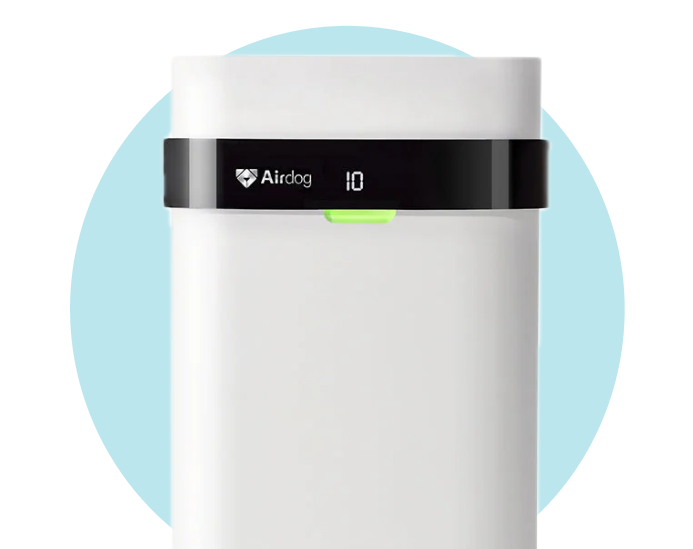
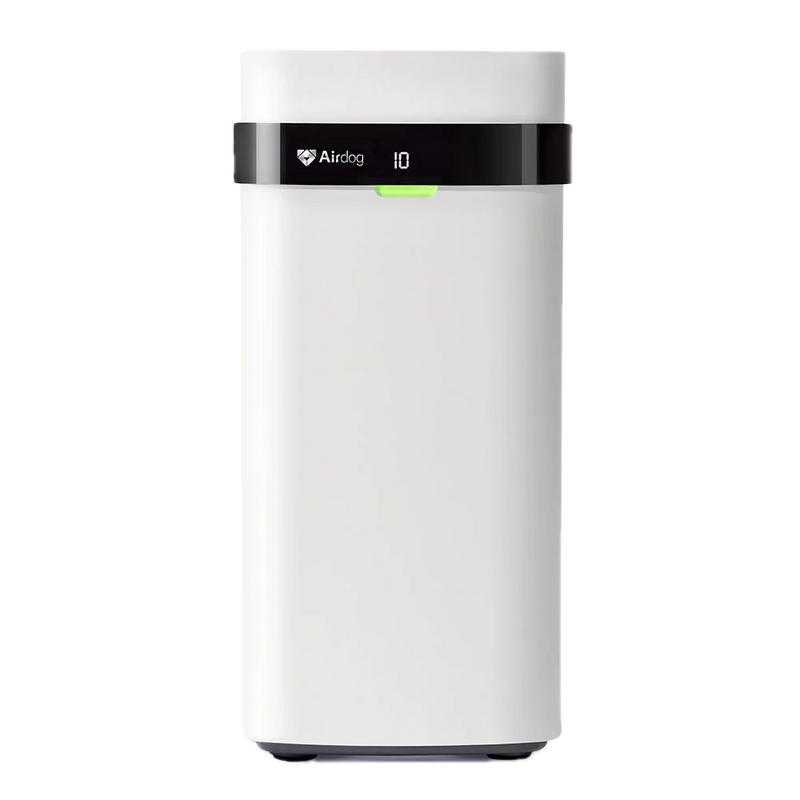
Some families choose advanced air purifiers with washable filters such as Airdog models to reduce recurring filter costs while maintaining high filtration performance.
Increase Ventilation
Fresh outdoor air dilutes indoor virus concentrations dramatically. Open windows and doors when weather permits, creating cross-breezes that flush contaminated air outside. Window fans, exhaust fans, and attic fans all accelerate this air exchange.
The EPA describes multiple effective approaches:
-
Opening windows on opposite sides of your home creates natural airflow
-
Running bathroom and kitchen exhaust fans pulls stale air out
-
Using window fans actively pushes or pulls air through rooms
-
Operating window AC units with the vent open brings in fresh air while cooling
Combine several methods for better results. Running an exhaust fan while opening windows on the opposite side of your house creates stronger air movement than either strategy alone.
One important caveat: avoid ventilating with outdoor air during high pollution events, extreme weather, or when outdoor humidity is excessive. Check your local air quality index before opening windows, especially if you live near wildfires, heavy traffic, or industrial areas.
Maintain Healthy Humidity
Indoor humidity between 30-50% creates conditions less favorable for virus survival. The EPA recommends this range for homes to minimize biological contaminant growth that can worsen respiratory symptoms during flu season.
Too dry and your nasal passages become irritated, making you more susceptible to infection. Too humid and you're creating an environment where mold, dust mites, and other allergens thrive—compounding respiratory challenges when seasonal illness strikes.
A humidifier can help during dry winter months. Design-forward options like the Airdog MOI Humidifier can support consistent humidity while blending into modern living spaces.
Layer these air quality strategies throughout your home rather than relying on a single approach. Ventilation dilutes airborne viruses, filtration captures them, and proper humidity creates less hospitable conditions for their survival—three complementary defenses working together to protect your family's respiratory health.
Home Cleaning Practices: Targeted and Effective
Clean air addresses airborne transmission, but surfaces tell another story. Respiratory viruses land on doorknobs, light switches, and countertops—waiting for hands to pick them up and transfer them to mouths, noses, and eyes.
Understanding when to clean versus when to disinfect saves time and protects your family more effectively. Cleaning removes germs; disinfecting kills them. Daily cleaning with soap and water is usually sufficient when everyone is healthy. Disinfect when someone is sick.
This distinction matters for busy parents managing multiple responsibilities. You don't need to disinfect every surface daily when everyone's healthy—regular cleaning suffices.
Focus your disinfection efforts on high-touch surfaces during illness outbreaks. These include:
-
Doorknobs and door handles
-
Light switches
-
Remote controls for TV, streaming devices, and gaming systems
-
Cell phones, tablets, and computer keyboards
-
Refrigerator handles and microwave buttons
-
Bathroom faucets and toilet flush handles
-
Stair railings and cabinet pulls
These surfaces collect infectious material from sick family members' hands multiple times daily. A child with flu touches their bedroom light switch dozens of times—each touch deposits virus particles that survive for hours.
When disinfecting, product selection matters significantly. Look for EPA-approved disinfectants proven effective against influenza viruses and read the label carefully before using any disinfectant. Most products require surfaces to remain wet for a specific contact time—often 3-10 minutes—to effectively kill viruses. Spraying and immediately wiping defeats the purpose.
Ensure adequate ventilation while using chemical disinfectants. Open windows or run exhaust fans to prevent inhaling concentrated fumes—especially important when cleaning bathrooms or other small spaces.
Keep separate towels, bedding, and dishes for sick family members when possible. This simple isolation reduces how many surfaces require rigorous disinfection and limits virus spread to shared household items.
Creating Your Family's Healthiest Home Environment
Flu season doesn't have to mean inevitable illness cycling through your household. Vaccination, daily hygiene, air quality management, and smart cleaning work together to create multiple barriers against seasonal viruses.
Your home becomes a healthier space when you layer these defenses strategically. No single intervention eliminates all risk, but combining approaches dramatically reduces your family's vulnerability to flu and other respiratory illnesses.
Start with vaccination, then build habits around handwashing and respiratory etiquette. Improve air quality with ventilation, filtration, and proper humidity. Reserve intensive disinfection for when illness strikes.
Running a high-quality air purifier and maintaining healthy humidity levels can reduce viral particles and improve overall indoor air quality year-round. Many families incorporate long-term air solutions, such as Airdog air purifiers and humidifiers, as part of a broader strategy for healthier homes.
You don’t need to do everything at once. Schedule vaccines, upgrade your HVAC filter, and place hand sanitizer near entryways. Small, consistent steps compound into meaningful protection.
Your home should be a place where health thrives—not where viruses spread. With layered prevention strategies, you can create a safer, healthier environment for your family this flu season and beyond.