

Your child wakes up with a scratchy throat—again. You're reaching for the antihistamines more often than you'd like. The headaches seem to cluster around certain rooms.
What if the culprit isn't outside your home, but inside it?
How to improve indoor air quality (IAQ) without turning your home into a science project
Here's the uncomfortable truth: most people spend more than 90% of their time indoors, where air can be 2–5 times more polluted than outdoor air. Poor indoor air quality doesn't just feel stuffy—it can worsen allergies and asthma, trigger headaches, and cause eye and throat irritation that disrupts daily life for everyone in your household.
The good news? Improving indoor air quality doesn't require a degree in environmental science or an unlimited budget. The EPA recommends a straightforward three-part framework:
-
Source control - stop pollutants at the origin
-
Ventilation - dilute and exhaust stale air
-
Filtration - capture what's left
Add moisture control to that list, and you've covered the essentials. The EPA emphasizes that source control—eliminating or reducing pollution before it spreads—is often the most effective first step.
Before we dive in, here are a few terms you'll see throughout this guide:
-
PM2.5 = fine particles small enough to travel deep into lungs
-
VOCs (volatile organic compounds) = gases released from products like paints, cleaners, and fragrances
-
RH (relative humidity) = the amount of moisture in your air
-
HEPA = a filter standard that captures 99.97% of particles as small as 0.3 microns
-
MERV = a rating system for HVAC filter efficiency
Here's your roadmap: you'll pick one or two high-impact habits from each section—cooking ventilation, fragrance-free swaps, filter upgrades, humidity targets—and stack them over two weeks rather than trying to overhaul everything at once. Small, consistent changes compound into meaningful results.
A quick safety note for families managing asthma or COPD: if symptoms spike in one room, prioritize the bedroom first. You spend roughly one-third of your life there, making it the highest-impact space to address. Consider discussing specific triggers with a clinician, but remember—the goal is fewer exposures, not perfection.
Source Control: Remove the Biggest Indoor Polluters First
The most effective strategy for how to improve indoor air quality? Stop pollution before it spreads. Source control is the EPA's top recommendation because it tackles the problem at its origin—before particles and gases circulate through your home.
Think of it this way: you wouldn't mop the floor while the sink is still overflowing. The same logic applies to indoor air.
Start With the Kitchen
Cooking fumes rank among the biggest indoor particle sources in your home. Every time you sear chicken or fry eggs, you're releasing fine particles and gases into the air your family breathes.
The fix is simpler than you think: commit to using a range hood that exhausts outdoors every single time you cook. This matters most during high-heat activities like frying, sautéing, or searing. The exhaust fans should vent to the outside—not just recirculate air through a filter.
Keep the fan running for a few extra minutes after you finish cooking. This captures lingering particles and gases that continue to release from hot pans and food.
If your range hood only recirculates (many apartment models do), open a nearby window when outdoor air quality is decent. It's not perfect, but it's far better than trapping cooking emissions inside.
Create a "No Added Fragrance" Policy
That vanilla-scented candle or plug-in air freshener might smell pleasant, but it's likely adding VOCs to your indoor air. Research has found that common fragranced household products emit dozens of different VOCs, some classified as hazardous or toxic.
Organizations like the American Lung Association recommend avoiding fragrance-based air products whenever possible. These products can trigger asthma symptoms and add unnecessary chemicals to your home.
Replace artificial fragrances with odor-removal habits instead:
-
Take out trash before it starts to smell
-
Wash pet bedding, throw pillows, and curtains regularly
-
Use baking soda in trash cans and carpets
-
Clean with vinegar and water for routine deodorizing
The goal isn't to make your home smell like a spa—it's to eliminate the sources of bad odors rather than covering them up.
Choose Low-VOC Products for Home Projects
When you're painting a bedroom or remodeling the bathroom, the products you select matter. Traditional paints and adhesives release VOCs—chemicals that evaporate into the air and can cause headaches, throat irritation, and worse.
Look for products labeled "low-VOC" or "zero-VOC" at your hardware store. These options have become widely available and often cost about the same as conventional products.
A few simple habits also make a big difference:
-
Store paint cans, solvents, and adhesives outside the living space (garage or shed)
-
Schedule work when you can open windows and doors for ventilation
-
Choose eco-friendly alternatives labeled as low-VOC
Even "green" products benefit from good ventilation during application and drying. Plan your projects for mild weather when you can keep windows open.
Reduce What Gets Tracked Indoors
Your shoes are tiny pollution delivery systems. Every step outside picks up pollen, dust, pesticides, and particulates from roads and sidewalks—all of which get deposited on your floors when you walk inside.
The solution costs nothing: enforce a shoes-off rule at the door. Keep a basket of house-only slippers near the entrance if that makes the transition easier for your family.
Add doormats on both sides of exterior doors. The outdoor mat catches the bulk of debris; the indoor mat gets what's left. This two-step system dramatically reduces the amount of outdoor pollution that makes it past your entryway.
Manage Combustion Sources
Combustion—burning things—creates particles and gases that compromise indoor air quality. The most important rule: never allow indoor smoking. Secondhand smoke is a major indoor pollutant and known carcinogen.
Beyond that, limit other combustion sources where practical. Consumer Reports recommends skipping wood fires and reducing frequent candle burning because both add soot and particles to your air.
If you cook with gas, this doesn't mean you need to replace your stove tomorrow. It does mean you should use your exhaust fan consistently and maintain your appliances according to manufacturer guidelines. Gas appliances can emit nitrogen dioxide and fine particulates, but proper ventilation and maintenance minimize the impact.
The American Lung Association notes that addressing combustion sources protects everyone in your household, especially children and anyone with respiratory conditions. Small adjustments to daily habits—running the fan, opening a window—make a measurable difference in the air your family breathes.
Ventilation That Actually Works (And When Opening Windows Is a Bad Idea)
Ventilation dilutes indoor pollutants by exchanging stale air with fresh air. But here's what most people miss: not all ventilation strategies work equally well, and sometimes opening windows makes things worse.
The key is knowing when, where, and how to ventilate for maximum impact.
Use Spot Ventilation at the Source
Your bathroom and kitchen generate the most moisture and pollutants in concentrated bursts. Spot ventilation captures these at the source before they spread throughout your home.
Run your bathroom exhaust fan during every shower and for 15–20 minutes afterward. That extra time matters—moist air feeds mold growth, and lingering humidity creates the perfect environment for spores to take hold.
In the kitchen, turn on your exhaust fan the moment you start cooking.
Here's a critical check most families skip: confirm your fans actually exhaust to the outside. Many older homes have bathroom fans that dump humid air into the attic, which solves nothing and can damage your home over time.
Proper exhaust ventilation removes pollutants directly from the room where they're generated. This targeted approach works far better than trying to dilute contaminants after they've spread.
Do a Daily 10-Minute Air Swap
Most home heating and cooling systems don't bring fresh outdoor air inside. You need to do that manually.
The American Lung Association suggests opening doors or windows for at least 10 minutes each day when outdoor air quality is acceptable. This simple habit dilutes indoor pollutants that build up from cooking, cleaning, and just living.
Boost the exchange with cross-ventilation: open windows on opposite sides of your home to create airflow. This moves stale air out faster than opening a single window.
Think of it as a quick reset for your indoor environment. Ten minutes won't dramatically change your heating or cooling costs, but it makes a measurable difference in air quality.
The best times are typically early morning or late evening when outdoor pollution from traffic is lower.
Know When NOT to Open Windows
Here's where ventilation advice gets tricky. Opening windows during certain conditions brings outdoor pollution inside—exactly what you're trying to avoid.
Keep windows closed during:
-
Wildfire smoke events
-
Days when your local air quality index shows "poor" or worse
-
Peak pollen times if anyone in your family has allergies
-
High-traffic hours if you live near a busy road or industrial area
Check AirNow.gov before you open windows on hazy days. If the outdoor air quality is worse than what's inside, you're better off keeping everything sealed and running an air purifier.
Ventilate During High-Pollution Activities
Certain activities spike indoor pollution dramatically.
Extra ventilation is helpful during and after these activities:
-
Painting or staining furniture
-
Sanding wood or drywall
-
Using hobby glues or adhesives
-
Heavy cleaning with chemical products
Open windows and run fans during the activity, then keep ventilating for at least an hour afterward. Pollutants continue releasing even after you've finished the task.
Better yet, move the activity outdoors when feasible. Spray painting, sanding, and similar projects belong in the garage or driveway, not your living room.
Consider Mechanical Ventilation for Tightly Sealed Homes
If you've sealed your home for energy efficiency or live somewhere that makes window-opening impractical, mechanical ventilation offers a solution.
Heat recovery ventilators (HRVs) bring in fresh outdoor air while capturing energy from outgoing air. The EPA describes these as air-to-air heat exchangers that maintain ventilation without wasting heating or cooling.
This option makes the most sense if you rarely open windows due to outdoor air quality, noise, or security concerns. It's also valuable in newer, tightly sealed homes where natural air exchange is minimal.
HRVs represent a bigger investment than the other strategies in this section. But for families who can't rely on window ventilation, they provide consistent fresh air exchange year-round without the guesswork.
Filtration + Cleaning Routines That Reduce Allergens
Filtration captures what source control and ventilation miss. But here's the reality: the best filter is the one you'll actually maintain. Complicated systems that require constant attention end up neglected, which defeats the purpose entirely.
The goal is to set up simple, sustainable routines that fit into your life rather than take it over.
Upgrade Your HVAC Filtration
If you have forced-air heating or cooling, your HVAC system already filters air. The question is how well.
MERV ratings measure filter efficiency. Higher numbers capture smaller particles. The American Lung Association recommends MERV-13 filters for better particle capture without overworking most residential systems.
Check your system's manual before upgrading. Some older units can't handle the increased resistance of high-MERV filters. Using a filter your system can't support reduces airflow and strains the equipment.
Replace filters every 30–90 days. Replacement cadence matters as much as filter quality. During wildfire season or high pollen counts, check monthly and replace when the filter looks dirty.
A clogged filter forces your system to work harder and circulates less air. Set a phone reminder for the first weekend of each month: check the filter, replace if needed.
Place Room Air Purifiers Where They Matter Most
You spend roughly a third of your life asleep, which makes a bedroom air purifier the highest-value placement in the house.
Look for high-efficiency filtration designed to capture fine particles that circulate indoors every day—things like dust, pollen, pet dander, and smoke.
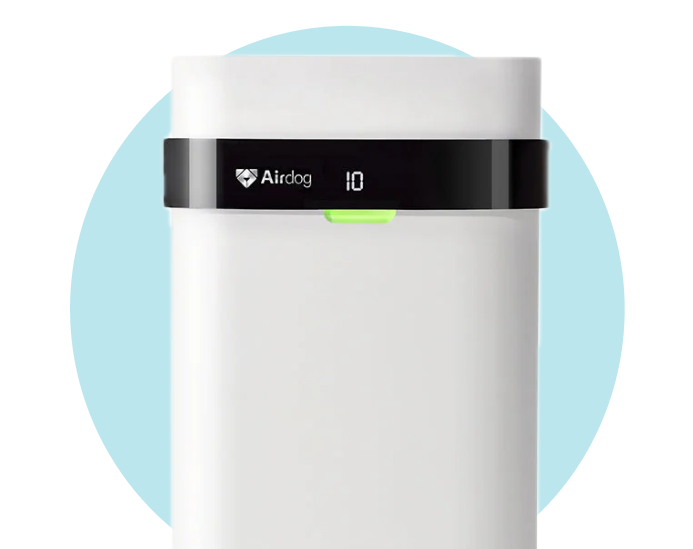
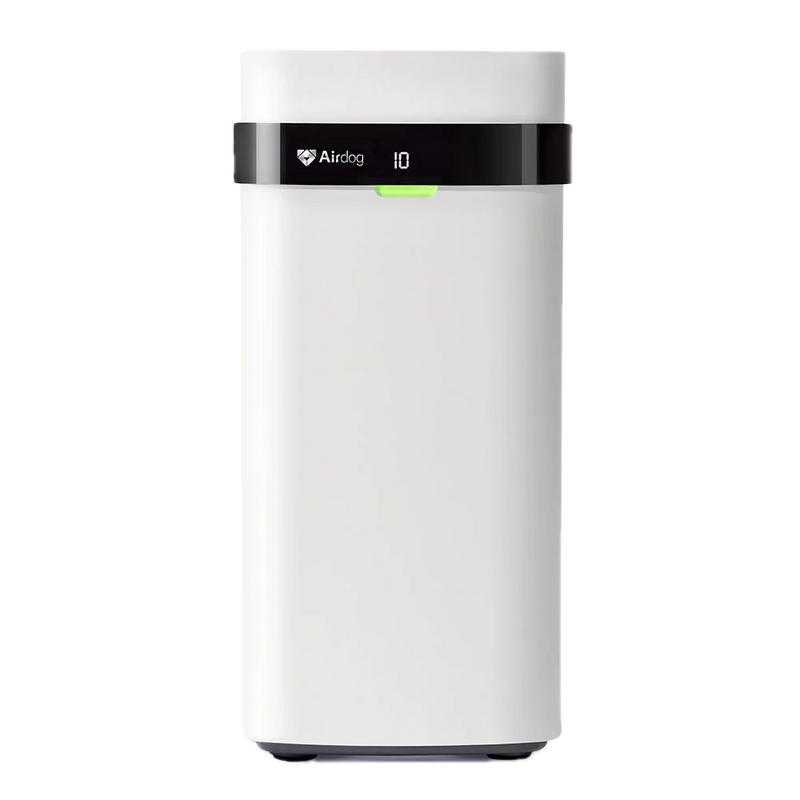
Some newer purification technologies take a different approach. Instead of relying on disposable filters, systems like those from Airdog use washable electrostatic collection plates to trap and destroy particles from the air. This design captures fine pollutants while reducing the need for frequent filter replacements.
Regardless of the technology, placement matters just as much as performance.
Start with one unit in the bedroom and another in your main living area. These two spaces typically account for the majority of your family’s indoor time.
The goal isn’t to fill every room with equipment. It’s to place purification where it will have the biggest impact on the air you breathe most often.
Clean in Ways That Actually Remove Dust
Traditional cleaning methods often lift dust into the air rather than remove it. You're just moving particles around.
Vacuum 1–2 times per week with a HEPA-equipped vacuum. Regular vacuums blow fine dust back into the room through their exhaust. HEPA vacuums capture it instead.
The vacuum does the heavy lifting so you're not breathing in what you're trying to clean up.
Dust with damp cloths or microfiber. Dry dusting with traditional rags just sends particles airborne.
Microfiber cloths grab particles through static electricity. A slightly damp regular cloth works too—just enough moisture to catch dust without leaving surfaces wet.
Avoid dry sweeping with brooms, which stir up far more dust than they collect. If you need to sweep hard floors, use a dust mop or vacuum first.
Pay Special Attention to Bedroom Textiles
Bedding harbors dust mites, dead skin cells, and allergens. You're breathing all of that in for eight hours every night.
Wash sheets, pillowcases, and blankets weekly in hot water. Hot water kills dust mites more effectively than warm or cold cycles.
Reduce bedroom clutter. Every stuffed animal, decorative pillow, and stack of books traps dust. The less stuff in the bedroom, the less surface area for allergens to accumulate.
For families dealing with persistent allergies, dust-mite-proof covers for mattresses and pillows add an extra barrier. These zippered encasements keep mites from colonizing the places you sleep.
Build a Sustainable Maintenance Routine
Eco-friendly doesn't have to mean complicated. The most sustainable approach is one you'll actually maintain long-term.
Washable pre-filters reduce consumables. Many air cleaners include a pre-filter that captures large particles before they reach the main HEPA filter. If that pre-filter is washable, you extend the life of the expensive HEPA stage.
Rinse the pre-filter monthly, let it dry completely, and reinstall. This simple habit cuts down on replacement filters you need to buy and throw away.
Set a monthly maintenance routine. First weekend of the month: check HVAC filter, rinse washable pre-filters, vacuum bedrooms with your HEPA vacuum. Link these tasks together so they become automatic.
The best filtration system is the one you'll maintain consistently. A top-of-the-line setup that gets neglected performs worse than a basic system you check regularly. Build habits that fit your life, then stick with them.
Moisture, Mold, and Invisible Hazards
Moisture control doesn't get the attention it deserves. Yet humidity levels directly affect mold growth, dust mite populations, and even how your respiratory system functions.
Too much moisture feeds mold and mites. Too little dries out airways and makes you more vulnerable to infections. The sweet spot sits right in the middle.
Find the Right Humidity Range
RH (relative humidity) measures the percentage of moisture in your air. The EPA recommends keeping humidity below 60% and ideally between 30–50%.
Stay below 50% to limit mold and dust mites. These microscopic pests thrive in humid environments and trigger allergies year-round.
Buy an inexpensive hygrometer. These small devices cost $10–20 and take the guesswork out of humidity management. Place one in your bedroom and another in your main living area.
Check readings throughout the day. Humidity spikes after showers, cooking, and laundry. If levels consistently exceed 50%, you need better moisture removal.
Act Quickly When Water Appears
Mold needs moisture to grow. Period. Addressing dampness quickly is the best prevention strategy.
Act within 24–48 hours on any water event. A leaky pipe, spilled drink on carpet, or damp towels left in a pile—dry everything thoroughly and fast.
Use fans to circulate air. Open windows if outdoor humidity is lower. Pull up wet carpet padding and dry the subfloor. Speed prevents mold from establishing itself.
Special antimicrobial sprays sound effective but miss the point. If you remove moisture quickly, mold can't grow in the first place. Save your money and focus on drying.
Remove Moisture at the Source
Several everyday habits help control indoor moisture level:
-
Run bathroom fans during and after showers
-
Vent clothes dryers outdoors
-
Fix plumbing leaks quickly
-
Use dehumidifiers in damp basements or humid climates
If using a dehumidifier, set the target to 45–50% RH and empty the collection bucket regularly. Standing water inside the device can become a microbial growth source if neglected.
Don’t Rely on Houseplants for Air Cleaning
You've probably heard that houseplants purify indoor air. Science tells a different story.
Real-world pollutant removal from plants is minimal. Atmotube summarizes research showing you'd need 10 to 1,000 plants per square meter to replicate the VOC removal seen in controlled lab studies.
That's obviously impractical. A few potted plants scattered around your home won't meaningfully improve air quality.
While plants release oxygen, they can foster mold growth and serve as allergy triggers. Damp potting soil becomes a mold source—especially problematic for families with sensitivities.
Keep plants if you love them for aesthetic or psychological reasons. Just don't count them as part of your indoor air quality strategy. Source control, ventilation, and filtration do the actual work.
The Goal Isn’t Perfect Air, It’s Healthier Air
Learning how to improve indoor air quality doesn’t require a lab, it starts with a few consistent habits:
-
Reducing pollution at the source,
-
Ventilating when needed
-
Managing humidity
-
Filtering the air you breathe
Air purifiers play a key role. Systems like Airdog continuously capture and destroy particles—dust, pollen, pet dander, and smoke—using washable electrostatic plates for long-lasting, low-maintenance performance.
Focus on the rooms where your family spends the most time, especially the bedroom. Small, consistent steps add up to cleaner air and a healthier home for everyone.