

Imagine if one device could keep the air in your entire home as fresh as a morning breeze. That idea fuels the common question: can one air purifier work for multiple rooms effectively? The short answer is: sometimes — but it depends. With the growing focus on wellness, clean living, and healthier spaces for families, pets, and tech-savvy homeowners, understanding how far an air purifier’s reach extends is key to creating a truly clean indoor environment.
Read on for the practical factors that determine whether a single unit will suffice, and how to maximize performance if you try it.
Understanding Air Purification and Room Dynamics
The Role of HEPA Filtration
HEPA (High-Efficiency Particulate Air) filters remain a cornerstone of air purification, capable of capturing 99.97% of particles as small as 0.3 microns—dust, pollen, and pet dander included. They work through:
-
Interception: capturing particles that follow air streams close to fibers
-
Impaction: trapping larger particles that collide with the filter
-
Diffusion: catching ultrafine particles that move randomly through air
While HEPA filters significantly improve indoor air quality, their reach is limited by airflow and placement.
Why Air Circulation Matters
Air circulation plays a pivotal role in determining an air purifier's effectiveness, especially in a multi-room setting. Effective air circulation ensures that polluted air reaches the purifier to be filtered, while purified air is distributed throughout the room. However, in multi-room environments, the challenge intensifies as air needs to navigate through more complex spaces.
-
Open Doorways allow air to move freely between rooms, aiding in the circulation of purified air but also allow pollutants to travel.
-
HVAC Systems can assist in distributing purified air if strategically placed near air purifier units, although this requires careful planning to ensure optimal airflow patterns.
-
Strategic Placement of air purifiers near pollution sources or high-traffic areas can maximize air cleaning efficiency before pollutants disperse widely.
Without intentional airflow, even the strongest purifier struggles to clean distant rooms.
Challenges of Multi-Room Air Purification
Interconnected Spaces
Open layouts or multi-level homes make it harder for a single purifier to keep up. Pollutants from cooking or pets can spread faster than they’re filtered.
Barrier and Layout
The layout of a home, including the presence of walls and doors, can isolate clean air to one area. Barriers like these necessitate a strategic approach to air purifier placement and may even impact the type of purifier needed.
-
Closed Doors: trap air (and pollutants) in one room preventing the flow of purified air but also containing pollutants within a single space for more effective filtration.
-
Large Spaces and High Ceilings: need air purifiers with higher CADR (Clean Air Delivery Rate) ratings to ensure sufficient air exchange rates.
-
Complex Layouts: with multiple hallways or levels often benefit from additional air purifiers to ensure adequate coverage and effective air purification throughout the home.
Understanding your home’s layout is crucial for setting realistic expectations when using one purifier for multiple rooms especially in homes bustling with activity from children, pets, or frequent cooking.
Single Large Unit vs. Multiple Smaller Units
The debate between utilizing a single large air purifier versus multiple smaller units to purify the air in a home with more than one room is one that resonates with many, especially those concerned about air quality in their living spaces. Let’s dive into the specifics, scenarios, and real-world experiences that underpin this argument.
Coverage and Efficiency
-
Multiple smaller units excel in providing targeted filtration within each room or area. This is particularly advantageous in homes with complex layouts or multiple levels, where air circulation patterns can vary significantly from one space to another. Each unit can work independently to tackle pollutants in its immediate vicinity, ensuring more uniform air quality throughout the home.
-
A single large unit, while powerful, may not effectively distribute purified air to distant or closed-off areas of the home. Its efficiency drops with distance, especially when doors or hallways separate spaces.
Energy Use
-
Smaller Units: Strategically placed small purifiers can operate on lower speeds to maintain air quality, potentially saving energy. This setup allows homeowners to activate units only in occupied spaces, avoiding the waste of purifying unoccupied rooms.
-
Single Large Unit: Often requires higher energy output to circulate air throughout a large area or entire home. While it might seem convenient to have one unit, the energy costs could escalate, especially if the purifier is overworked in an attempt to reach far-flung corners.
Real-World Experience
Homeowners often find multiple smaller units outperform a single one in multi-level or complex layouts, especially when placed near bedrooms, kitchens, or pet zones.
Scenarios Where Multiple Units Shine
-
Homes with Pets: Multiple air purifiers can address pet dander and odors more effectively, especially when placed in areas where pets spend most of their time.
-
Families with Allergies: Providing each bedroom with its air purifier can significantly lessen allergy symptoms at night by ensuring the air remains clean in these critical areas.
-
Cooking Odors and Smoke: Kitchens benefit from dedicated purifiers to quickly neutralize cooking smells and smoke, preventing them from spreading to other parts of the home.
Real-world tip: many households get the best results with a hybrid approach, 1 high-CADR unit for shared living space and smaller units for bedrooms or problem areas.
Cost Considerations
Exploring the financial implications of running single versus multiple air purifiers requires a comprehensive look into initial investment, energy consumption, and maintenance costs.
Initial Investment
-
Single Large Unit: The upfront cost of a high-capacity air purifier capable of covering multiple rooms can be substantial. These units often come with advanced features like smart sensors and higher CADR ratings, contributing to their higher price point.
-
Multiple Smaller Units: Opting for several smaller purifiers allows for targeted filtration in individual rooms. While the cumulative cost of multiple units may match or exceed that of a single large purifier, this approach offers flexibility in air quality management across rooms.
Energy Consumption
-
Higher Efficiency in Smaller Units: Smaller air purifiers typically consume less power per unit compared to larger ones. The ability to operate only the units needed, based on occupancy and air quality demands, can lead to energy savings over time.
-
Smart Features and Energy Usage: Some larger air purifiers are equipped with smart features that adjust settings based on real-time air quality, potentially enhancing energy efficiency. However, the energy used by these smart functions can offset some of the savings.
Maintenance Costs
-
Filter Replacements: The cost of filter replacements varies widely among air purifiers. Larger units may require more expensive filters or less frequent replacements, while smaller units might need more regular filter changes.
-
Longevity of the Device: High-quality air purifiers, whether large or small, tend to have longer lifespans, reducing the long-term need for replacement. Investing in durable, well-reviewed models can mitigate future costs.
Long-term Savings
-
Energy-Efficient Models: Selecting air purifiers with Energy Star certifications or those known for low power consumption can lead to significant savings on electricity bills over the lifespan of the device.
-
Healthcare Costs: Improved air quality can directly impact health, potentially reducing medical expenses associated with respiratory issues, allergies, and other conditions exacerbated by poor indoor air quality.
By weighing these factors, you can find the right balance between cost and performance to maintain healthy air across multiple rooms.
Technology and the Future of Whole-Home Purification
As technology advances, air purifiers are becoming smarter, more efficient, and better suited for open or multi-room spaces, making the idea of one air purifier working for multiple rooms more realistic than ever.
Smart sensors now adjust fan speeds automatically based on air quality, maintaining cleaner air across connected areas. Integration with HVAC systems also helps distribute purified air through vents, expanding coverage without needing multiple units.
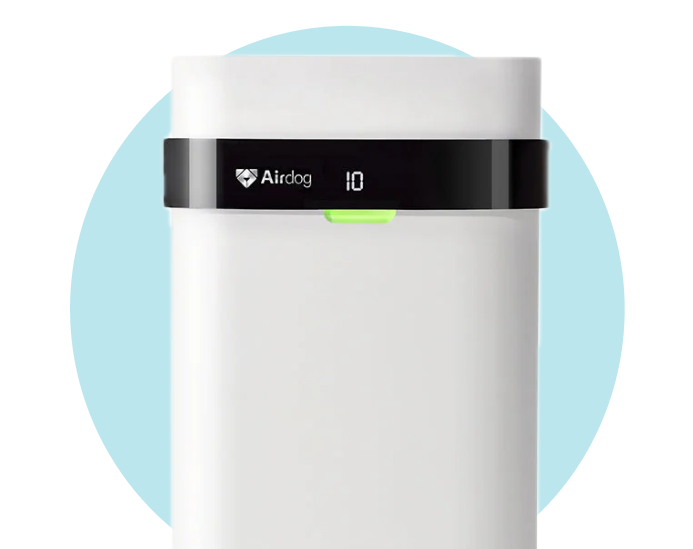
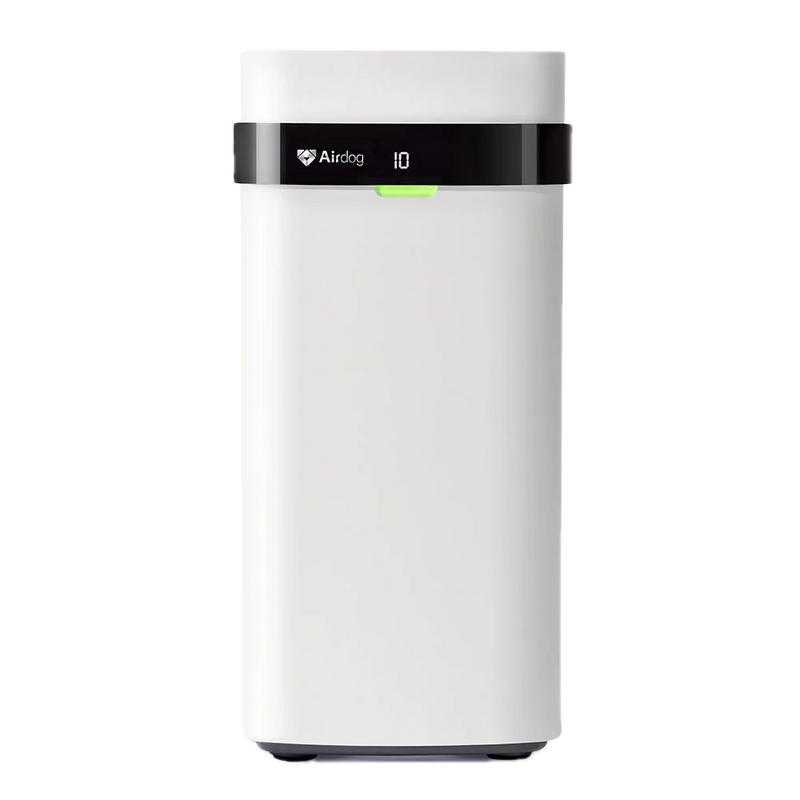
Airdog’s advanced TPA technology represents this next step in home purification. Its washable filters and high-efficiency design capture and destroy ultrafine particles that standard filters miss—delivering consistent, powerful purification across larger or open-concept spaces. In connected areas or homes with good airflow, Airdog helps maintain cleaner air from room to room, offering a forward-looking solution built for both performance and convenience.
Maximizing Clean Air Coverage
To get the most from your air purifier, whether single or multiple units, focus on these strategies:
-
Central Placement: Position the purifier where airflow is strongest.
-
Keep Doors Open: Encourage circulation when purifying multiple rooms.
-
Combine Technologies: Use HEPA for particles, activated carbon for odors/VOCs, and optional ionization or UV-C for a combination of particles and microbes.
-
Adjust by Activity: Run purifiers higher during cooking, cleaning, or allergy season.
The Takeaway
So, can one air purifier work for multiple rooms? Yes—in the right conditions. A single air purifier can work when:
-
The space is open or interconnected, allowing airflow
-
The purifier’s CADR and coverage exceed the combined area you want to clean
-
Pollutant sources are limited or concentrated near the purifier.
However, in multi-level homes, closed-room layouts, or houses with multiple pollutant hotspots, multiple purifiers (or a hybrid approach: one strong central unit + smaller room units) usually deliver more consistent results.
If you’re aiming for broader coverage with fewer units, choose a high-CADR, energy-efficient purifier, position it strategically, keep doors open while purifying, and consider advanced systems like Airdog, designed to capture and destroy ultrafine particles that standard setups miss.