

Indoor air can be surprisingly polluted, and carbon monoxide (CO) is one of the most dangerous contaminants you can encounter at home. Because CO is colorless, odorless, and impossible to detect without proper equipment, many homeowners wonder whether an air purifier can help with carbon monoxide, and if so, how much protection it can realistically provide.
This guide breaks down what air purifiers can and cannot do when it comes to CO, how different filtration technologies work, and why CO detectors remain the only true early-warning system. You’ll also find practical ways to combine both tools for a safer, healthier home.
Understanding Carbon Monoxide and Why It’s So Dangerous
Carbon monoxide is often referred to as the "silent killer" for one major reason: the body can’t detect it on its own. Even low-level exposure can affect your health, and high concentrations can become life-threatening within minutes.
Common Sources of Carbon Monoxide in Homes
Many everyday fuel-burning appliances can produce CO, especially when damaged or poorly ventilated.
-
Gas Furnaces: A common source of CO, these can release carbon monoxide into the home instead of venting it outside.
-
Gas Stoves and Ovens: While offering convenience, these appliances can produce CO if they malfunction or are used without proper ventilation.
-
Blocked Chimneys or Fireplaces: Can prevent CO from escaping, causing it to backfill into the home.
-
Portable Heaters: Especially those fueled by gas, can emit CO if not used according to safety guidelines.
-
Garages: Running a vehicle or any gasoline-powered tool in or near a garage can lead to CO buildup, even if the garage door is open.
Why CO Detectors Are Essential
Air purifiers cannot detect CO. Only certified CO detectors can:
-
Alert you to unsafe CO levels immediately
-
Provide 24/7 monitoring near bedrooms and all home levels
-
Meet strict safety standards required for CO detection
Even if you have the best filtration system, a CO detector is non-negotiable.
Safe CO Levels and Symptoms of CO Poisoning
Understanding safe CO levels indoors and recognizing the symptoms of CO poisoning helps you respond appropriately.
Safe Levels vs. Dangerous Levels
-
Under 9 ppm (8-hour exposure): Considered safe by major health organizations
-
Above 35 ppm: Headache and fatigue begin
-
100+ ppm: Confusion, dizziness, and rapid health decline
-
300+ ppm: Life-threatening within minutes
Common Symptoms of CO Exposure
CO symptoms often feel like the flu, which makes early detection difficult:
-
Headache
-
Fatigue
-
Nausea
-
Dizziness
-
Chest discomfort
-
Confusion or disorientation (high levels)
If symptoms improve when you leave the home, CO may be present.
Can an Air Purifier Help With Carbon Monoxide?
Here’s the bottom line:
An air purifier cannot detect CO, and it cannot eliminate it completely, but certain technologies can reduce small amounts.
If you’re researching whether an air purifier helps with carbon monoxide, the accurate answer is that it helps indirectly, not completely.
Why HEPA Filters Don’t Work for CO
HEPA filters focus strictly on particles such as:
-
Dust
-
Pollen
-
Smoke particles
-
Pet dander
CO is a gas, and gas molecules pass straight through HEPA fibers. So while HEPA sets the standard for particle capture, it’s ineffective for carbon monoxide.
How Activated Carbon Helps (With Limitations)
Activated carbon is the only filtration method commonly found in consumer purifiers that can adsorb a portion of CO.
How it helps:
-
Adsorption: Unlike absorption where one substance is dissolved by another, adsorption involves the adhesion of atoms, ions, or molecules from a gas to a surface. In this case, activated carbon filters capture CO molecules on their surface.
-
Surface Area: Activated carbon is known for its vast surface area. Just one gram can have a surface area in excess of 3,000 square meters, providing ample space to capture CO molecules.
-
Low-Level Gas Concentrations: While effective against a range of gases, the extent to which activated carbon can adsorb CO is limited. These filters can help reduce low-level gas concentrations but cannot completely eliminate the risk.
Limitations:
-
Activated carbon does not remove CO completely
-
Filters saturate quickly and need regular replacement
-
Cannot replace a CO detector under any circumstance
Activated carbon is helpful, but it is not a standalone safety solution. Their role should be seen as complementary to more direct safety measures.
Where Airdog Fits In: Advanced Filtration for a Safer Home
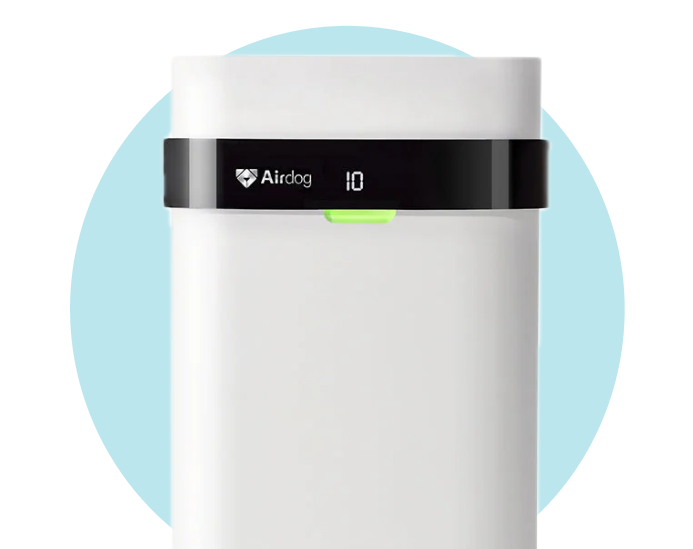
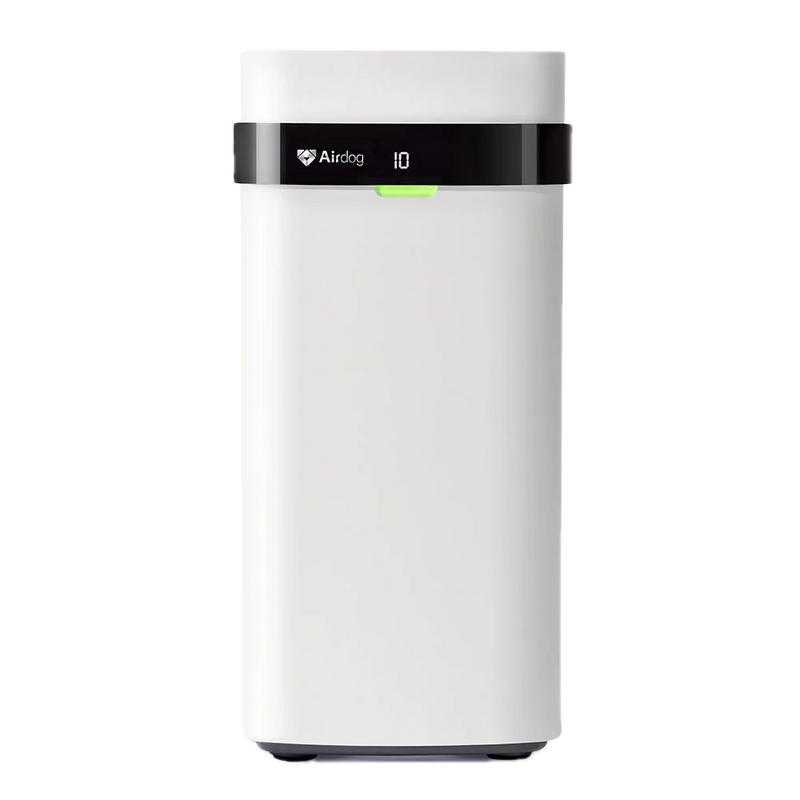
Airdog purifiers use TPA® technology, which electrically charges and collects airborne particles rather than trapping them in disposable HEPA filters. While TPA® isn't designed to eliminate carbon monoxide (no consumer purifier is), it does offer benefits in homes where CO safety is a concern:
Why Airdog Is a Smart Companion to CO Detectors
-
Removes fine particles and pollutants that often accompany CO-producing appliances (e.g., combustion byproducts).
-
Washable collecting plates reduce long-term maintenance and eliminate the waste of disposable filters.
-
Strong odor and VOC reduction when paired with the carbon stage.
Airdog can improve your overall indoor air quality significantly. Just keep in mind that no purifier replaces a certified CO detector.
Creating a Safer Home: How to Use Air Purifiers and CO Detectors Together
The best protection is layered protection.
Place Each Device Strategically
Air purifiers:
-
Living rooms
-
Bedrooms
-
Near kitchens (but not directly by stoves)
-
Basements or workshops
CO detectors:
-
Outside sleeping areas
-
On every level of the home
-
Near fuel-burning appliances (but not right next to them)
-
Near attached garages
Maintain Your Home’s CO Sources
Prevention is more effective than filtration.
-
Have furnaces inspected annually
-
Clean chimneys and vents
-
Avoid running cars inside garages
-
Ensure gas appliances are properly vented and maintained
Consider an Air Quality Monitor
Some home monitors track CO plus other pollutants. They’re useful, but they do not replace a standalone CO detector.
Bringing It All Together: Air Purifiers and Carbon Monoxide Safety
If you're wondering whether an air purifier helps with carbon monoxide, here’s the clearest answer:
-
Air purifiers with activated carbon can reduce trace amounts of CO — but cannot detect it or eliminate dangerous levels.
-
HEPA filters do not remove CO at all.
-
A certified CO detector is the only reliable early-warning tool.
Air purifiers do play an important supporting role. They remove particles, odors, gases, and pollutants that affect your everyday air quality, and they help keep the air cleaner around combustion-based appliances. A purifier like Airdog, with its advanced TPA® technology and carbon stage, is especially helpful when you want strong overall air purification without the ongoing waste of disposable filters.
But when it comes to carbon monoxide, use your purifier as part of a broader safety strategy, never as your primary defense.