

Have you ever considered that the air inside your home could be making your sinus problems worse? While many seek refuge indoors from outdoor pollutants, indoor air is often just as problematic. According to the Environmental Protection Agency (EPA), indoor air quality is one of the top five environmental risks to public health. For those struggling with sinus issues, poor air quality can exacerbate congestion, inflammation, and discomfort.
This article explores whether air purifiers can help alleviate sinus problems, the science behind their effectiveness, and how to combine them with other strategies for optimal sinus health.
How Indoor Air Affects Sinus Health
Sinus issues are often triggered by airborne irritants that inflame the nasal passages. Common indoor pollutants include:
- Dust mites – thrive in bedding, carpets, and furniture.
- Pet dander – microscopic flakes of skin from cats, dogs, and other animals.
- Pollen – can enter homes through windows or cling to clothing.
- Mold spores – thrive in damp areas and irritate sinuses.
- Particulate matter (PM2.5 and PM10) – tiny particles that inflame nasal passages.
Exposure to these irritants can lead to inflammation, mucus buildup, and increased sinus discomfort.
How Air Purifiers Can Help
Air purifiers reduce sinus problems by removing airborne allergens and irritants.
HEPA Filters: The Gold Standard
HEPA (High-Efficiency Particulate Air) filters capture 99.97% of particles as small as 0.3 microns, including dust, pollen, pet dander, and mold spores. Benefits include:
- Reduced nasal inflammation.
- Lower mucus production.
- Relief from allergy-related sinus congestion.
Activated Carbon Filters
Some purifiers include activated carbon layers that remove odors, smoke, and VOCs, further improving indoor air quality.
Real-World Benefits
Research and testimonials show that air purifiers can:
- Reduce sinus and allergy symptoms.
- Improve sleep quality by decreasing nighttime congestion.
- Enhance overall indoor air quality for sensitive individuals.
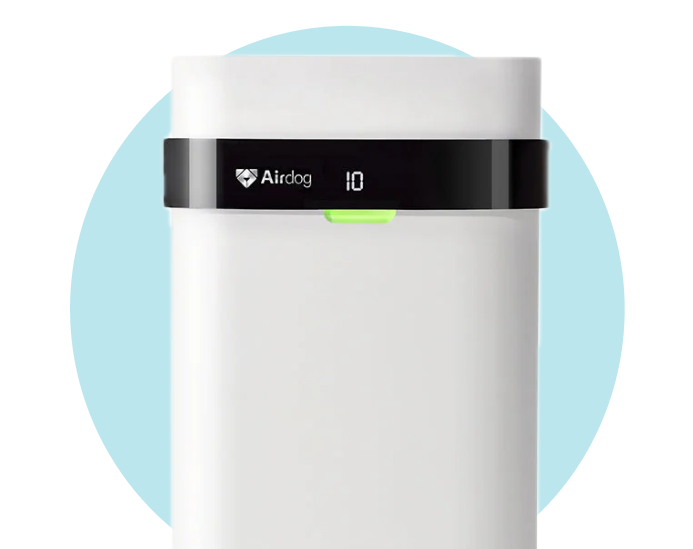
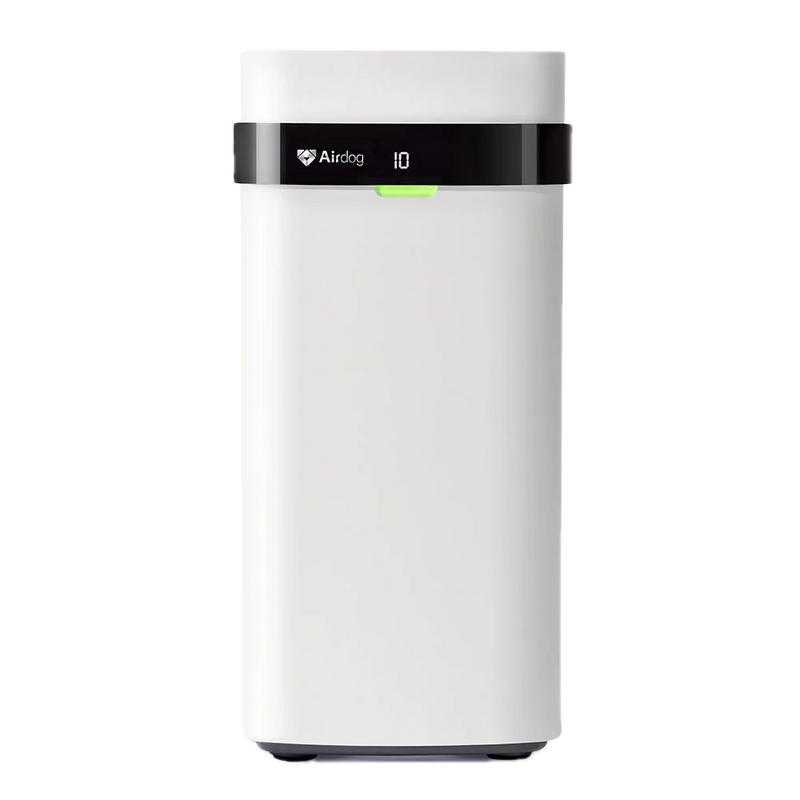
Devices like Airdog utilize advanced filtration technology to continuously capture fine airborne particles, supporting cleaner air without frequent filter replacements. While not a medical treatment, air purifiers complement other measures such as managing allergies, controlling humidity, and keeping living spaces clean.
Air Purifiers vs. Humidifiers for Sinus Health
Air purifiers and humidifiers serve distinct roles in supporting sinus health.
The Role of Air Purifiers in Sinus Health
- Remove allergens and pollutants that trigger sinus issues.
- HEPA filters trap particles as small as 0.3 microns.
- Particularly effective for individuals with allergies or chronic sinus problems.
The Role of Humidifiers in Sinus Health
- Add moisture to dry air, preventing nasal passages from drying out.
- Useful in arid climates or during winter months when indoor air is dry.
- Can alleviate irritation but do not remove allergens.
Combining Air Purifiers and Humidifiers for Optimal Effect
Combining an air purifier with a humidifier can create a synergistic effect:
- Air purifiers remove irritants.
- Humidifiers maintain optimal moisture levels to reduce dryness-related sinus discomfort.
Whether used independently or together, these devices offer valuable solutions for alleviating sinus problems and enhancing overall well-being.
Choosing the Right Air Purifier for Sinus Relief
Selecting the ideal air purifier to alleviate sinus problems involves understanding not just any air purifier's basic functions, but specifically what makes an air purifier effective for sinus sufferers.
Importance of True HEPA Filters
- Efficiency: True HEPA filters are renowned for their efficiency, capable of capturing 99.97% of particles as small as 0.3 microns. This includes pollen, dust mites, pet dander, and mold spores—common irritants that exacerbate sinus issues.
- Certification: Look for purifiers that genuinely meet the HEPA standard. Some products may be labeled as "HEPA-type" or "HEPA-like" without meeting the strict filtering criteria required to be considered True HEPA.
- Replacement Frequency: Consider the maintenance schedule. True HEPA filters need replacing periodically to maintain their effectiveness, typically every 12 to 18 months depending on usage and air quality.
Sizing Up Your Space: ACH and CADR
- Air Changes Per Hour (ACH): This rate indicates how many times the purifier can filter the entire volume of air in the treatment space per hour. For sinus sufferers, a higher ACH rating is preferable, ideally four or more, indicating that the air gets thoroughly purified at least every 15 minutes.
- Clean Air Delivery Rate (CADR): CADR measures the purifier's effectiveness in terms of cubic feet per minute (CFM) for specific pollutants like tobacco smoke, pollen, and dust. A higher CADR rating means the unit is more effective at filtering those pollutants. For sinus relief, focus on the pollen and dust CADR ratings.
- Room Size Compatibility: Ensure the purifier's capacity matches or exceeds the size of the room where it will be used. An undersized purifier will struggle to effectively clean the air, while an oversized one may lead to unnecessary energy consumption.
Additional Features to Consider
- Noise Level: Since many individuals with sinus issues may also be sensitive to sound, selecting a purifier that operates quietly, especially at lower speeds, is crucial.
- Smart Features: Options such as air quality sensors, automatic adjustment settings, and remote control can enhance usability and efficiency, allowing the unit to dynamically adjust its operation based on the current air quality.
- Ease of Maintenance: Look for air purifiers that require minimal effort to clean and maintain. Easy access to filters and clear instructions for routine maintenance can make a significant difference in the long-term usability of the unit.
Lifestyle Adjustments to Support Sinus Health
When tackling the issue of sinus problems, it's essential to look beyond air purification alone and consider various lifestyle and home environment adjustments. These changes, when combined with the use of an air purifier, can create a comprehensive approach to alleviating sinus issues.
Regular Cleaning to Reduce Allergens
- Dust and Vacuum Frequently: Aim to dust surfaces and vacuum floors at least once a week using a vacuum cleaner equipped with a HEPA filter.
- Minimize Clutter: Less clutter means fewer places for dust and allergens to hide. Keeping surfaces clear and minimizing the use of heavy drapes and fabric can significantly reduce allergen accumulation.
- Pet Dander Management: If you have pets, regular grooming can help minimize the amount of pet dander in your home. Consider designating pet-free zones, particularly in bedrooms, to reduce exposure to allergens during sleep.
Using Hypoallergenic Bedding
- Encase Mattresses and Pillows: Use allergen-proof covers on mattresses, pillows, and box springs to protect against dust mites.
- Wash Bedding Regularly: Wash sheets, pillowcases, and blankets in hot water (at least 130°F) weekly to kill dust mites and remove allergens.
- Choose Hypoallergenic Materials: Opt for bedding made from materials less likely to harbor allergens. Materials such as microfiber for sheets or synthetic fillers for duvets and pillows are often recommended for allergy sufferers.
Managing Humidity Levels to Prevent Mold Growth
- Monitor Humidity: Keep indoor humidity levels between 30-50% to inhibit mold growth. Use a hygrometer to monitor levels and adjust as necessary.
- Use Dehumidifiers: In areas prone to high humidity, such as basements and bathrooms, use dehumidifiers to maintain appropriate moisture levels.
- Ventilation: Ensure proper ventilation in high-moisture areas. Use exhaust fans in bathrooms and kitchens to reduce humidity and prevent mold spores from circulating.
Adopting a Comprehensive Environmental Management Approach
- Air Quality Awareness: Stay informed about the air quality in your area and limit outdoor activities when pollution levels are high, especially during allergy season.
- Green Cleaning Products: Opt for natural, non-toxic cleaning products to reduce the presence of chemical irritants that can exacerbate sinus problems.
- Indoor Plants: Some indoor plants can help purify the air by absorbing pollutants. However, be mindful as they can also increase humidity and potentially harbor mold if overwatered.
Final Thoughts
Will an air purifier help with sinus problems? The answer is yes. By removing allergens, dust, mold spores, and other irritants, air purifiers can reduce nasal inflammation, ease congestion, and improve respiratory comfort. While they are not a cure for underlying medical conditions, they offer a practical, non-invasive solution for better indoor air quality.
For optimal results, consider pairing an Airdog air purifier with a humidifier and lifestyle adjustments. Together, these strategies create a supportive indoor environment that promotes sinus health and overall well-being.