

Have you ever wondered if an air purifier can actually be too powerful for your space? While it might seem like choosing the biggest model ensures cleaner air, that’s not always the case. The right purifier size depends on your room dimensions, layout, and how you use the space. Go too small, and it can’t keep up; go too big, and you could face wasted energy, excess noise, and uncomfortable airflow. Let’s break down how to find the ideal balance so you get the freshest air possible without overdoing it.
Why Room Size Matters
Air purifiers are designed to clean a specific volume of air efficiently. Two main factors influence this: room dimensions and air purifier capacity.
Clean Air Delivery Rate (CADR): CADR measures how much filtered air a purifier produces per minute. As a rule of thumb, the CADR should be roughly two-thirds of the room’s square footage to ensure proper coverage.
Ceiling Height: Don’t forget the room’s vertical space. High ceilings increase total air volume, requiring a higher CADR to maintain effectiveness.
By factoring in both floor area and ceiling height, you ensure your purifier operates efficiently without overworking the device or your energy bill.
What Happens if a Purifier Is Too Big
A common misconception is that bigger units always improve air quality, but oversized purifiers in small rooms can create unintended problems:
Energy Inefficiency
-
Increased Power Consumption: Oversized air purifiers consume more energy due to their larger motors and increased air throughput capabilities. In a small room, this translates to unnecessarily high electricity bills.
-
Diminishing Returns: The efficiency of air purification does not scale linearly with power consumption. Beyond a certain point, the additional energy expended does not proportionately increase air quality, leading to wasteful energy use.
Excessive Noise Levels
-
Higher Operational Sound: Larger air purifiers often generate more noise, especially when operating at their maximum settings. This can become a source of constant irritation, disrupting the tranquility of living spaces.
-
Impact on Well-being: Continuous exposure to high noise levels can affect concentration, sleep quality, and overall well-being. In small rooms, where the purifier is in close proximity to occupants, this issue is exacerbated.
Uncomfortable Air Currents
-
Overpowering Air Flow: The powerful fans required to circulate air through oversized purifiers can create strong air currents within small rooms. This can lead to discomfort, particularly in settings where individuals remain stationary for long periods, such as offices or bedrooms.
-
Distribution Imbalance: In small spaces, the intense air flow from a large purifier can cause uneven temperature distribution, resulting in cold spots or drafts that detract from the room's comfort level.
In short, bigger isn’t always better, the key is matching the unit to the space for optimal performance.
Benefits of Multiple Small Purifiers
For larger homes or multi-room setups, using multiple smaller purifiers can be more effective than a single oversized unit:
Targeted Purification
-
Targeted Purification: Smaller units can be placed in rooms where air quality concerns are most pressing, such as kitchens, bedrooms, or areas with high traffic, ensuring pollutants are captured at their source.
-
Uniform Air Quality: By distributing multiple purifiers throughout a space, homeowners can achieve more uniform air quality levels, avoiding the disparities that might occur with a single, centralized purifier.
Uniform Air Quality
-
Adaptability: Homes with intricate layouts, including multiple stories, benefit from the flexibility of small air purifiers. These can be placed strategically to ensure no area is neglected, from basements to attics.
-
Optimal Placement: Each purifier can be positioned for maximum effectiveness, taking into account room size, airflow patterns, and the presence of specific pollutants, thus optimizing the purification process.
Flexibility Based on Real-Time Needs
-
Modifiable Setup: The needs of a household can change, whether due to seasonal allergies, the introduction of pets, or renovation projects. Small air purifiers allow for easy reconfiguration of the air purification setup to address these evolving needs.
-
Individual Control: Users can adjust settings, such as fan speed or operational schedules, on a room-by-room basis, providing personalized comfort without affecting the entire home.
Energy and Cost Efficiency
-
Lower Energy Consumption: Small air purifiers typically use less energy per unit than larger models. Deploying them strategically can lead to significant savings on electricity bills, especially when they are only activated in occupied rooms.
-
Cost-Effective Solutions: Investing in multiple small units allows homeowners to scale their air purification efforts according to budget constraints, purchasing additional purifiers over time as needed.
Enhanced Well-being for Everyone
-
Health Benefits: By ensuring each room has its air quality managed, everyone can breathe easier, reducing the risk of respiratory issues, allergies, and other health concerns related to poor indoor air quality.
-
Comfort and Satisfaction: Knowing that every area of the home has clean, purified air contributes to a greater sense of well-being and comfort for everyone at home.
This approach allows homeowners to customize air quality control while avoiding the pitfalls of oversizing.
Selecting the Right Air Purifier for Your Room
Choosing the ideal purifier is about more than just power — it’s about finding a model that matches your space and needs:
-
Measure Room Size: Calculate square footage (length × width) and consider ceiling height for total air volume.
-
Check CADR and ACH: Ensure the Clean Air Delivery Rate aligns with room dimensions, and the Air Changes per Hour (ACH) meets your purification goals.
-
Choose Appropriate Filters: HEPA filters capture allergens and dust, while activated carbon filters target odors and VOCs. Some units combine both.
-
Consider Smart Features: Sensors and programmable timers help optimize operation, adjusting purification levels automatically based on real-time air quality.
-
Portability and Maintenance: Lightweight units with handles or wheels make placement flexible. Regular filter maintenance ensures consistent performance.
By focusing on these factors, you can select a purifier that enhances air quality without wasting energy, creating drafts, or generating excessive noise.
Conclusion: Balancing Size and Performance
The question isn’t just whether a purifier works, it’s whether it’s the right size for your room. So, can an air purifier be too big for a room? Yes—oversized units can create unnecessary noise, strong drafts, and higher energy use, without significantly improving air quality.
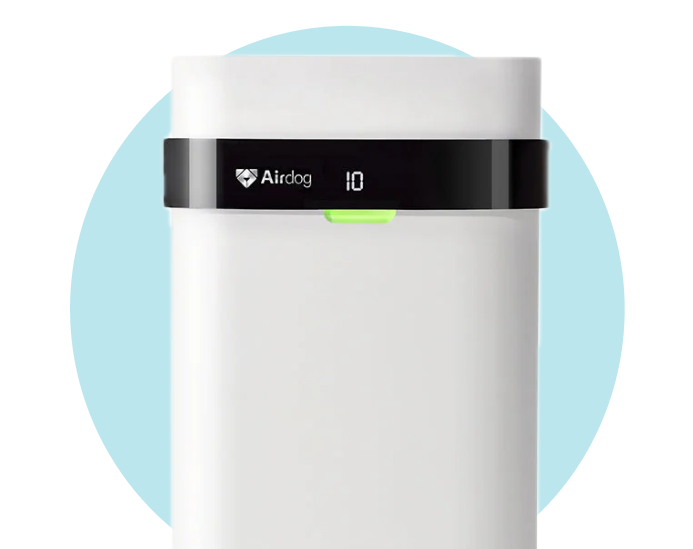
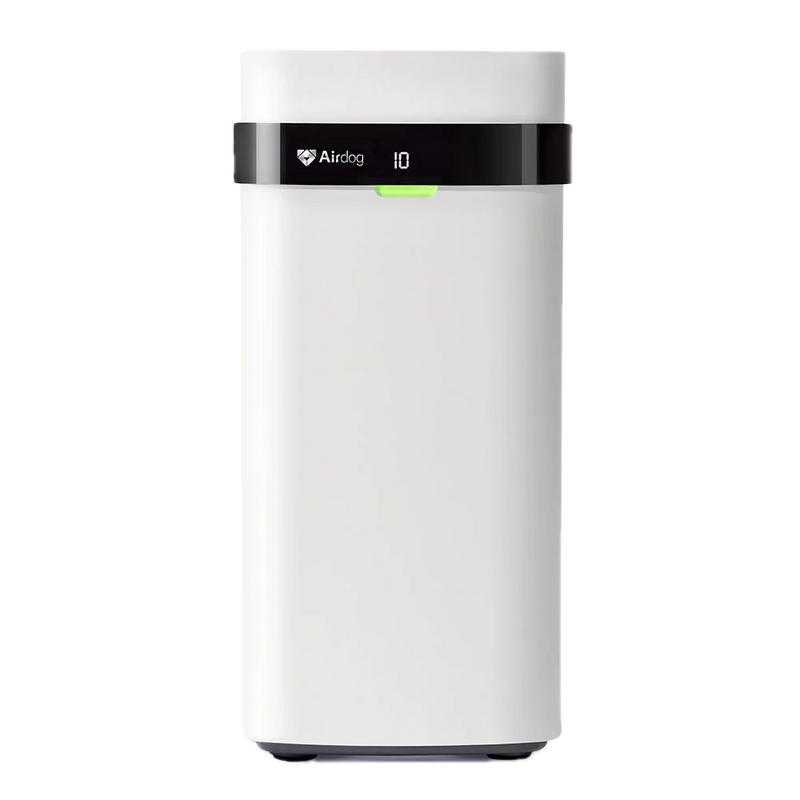
Choosing a properly sized purifier ensures efficient performance, quiet operation, and optimal air cleaning. Purifiers like Airdog offer high-performance purification in a variety of sizes, making it easier to find a model that fits your specific room dimensions. Whether you’re using a single unit or a few smaller purifiers strategically placed, Airdog’s advanced TPA technology delivers consistent, clean air without the drawbacks of oversizing.
By considering room size, purifier capacity, and your household’s unique needs, you can confidently ensure your air purifier is the perfect fit maximizing clean air while keeping your home comfortable and energy-efficient.