

Every parent knows the feeling: you wake up with a scratchy throat, your child's nose sounds stuffy, and the air in your home feels uncomfortably dry. During winter months especially, indoor air can become a desert that irritates respiratory systems and makes everyone miserable.
A humidifier promises relief.
But used incorrectly, it can create new problems that are worse than the dryness you started with. The difference between a humidifier that improves your family's comfort and one that breeds mold or triggers allergies comes down to understanding a few key principles.
This guide walks you through how to use a humidifier safely and effectively, from choosing the right setup to maintaining it with minimal effort. You'll learn the exact humidity targets that protect your family, the placement strategies that prevent damp walls, and the simple cleaning routine that keeps the air fresh instead of contaminated.
Why Humidity Matters (And When It Becomes a Problem)
A humidifier raises relative humidity (RH)—the percentage of water vapor air holds at a given temperature. This matters because heated winter air often becomes very dry. Every breath of that parched air pulls moisture from your nose, throat, and skin, leaving everyone in the house uncomfortable and more vulnerable to irritation.
The sweet spot for indoor humidity sits between 30–50% RH. Most families feel best around 40-45%.
Most humidifier problems stem from two mistakes:
Over-humidifying
If humidity climbs above 50%, dust mites and mold thrive. Condensation forms on windows and walls. That moisture becomes a breeding ground for mold, which spreads toxins through your home's air. If you wake up to foggy windows or notice damp spots on walls, you've crossed the line.
Running a Dirty Humidifier
Standing water inside a tank can grow bacteria and mold. Some humidifier types can disperse those microorganisms directly into the air if not cleaned regularly.
Here's your decision trigger: Use a humidifier when the room feels dry and a hygrometer (a small humidity meter available at any hardware store) shows RH consistently below 30–35%. Pause or reduce use when RH approaches 50% or you see any condensation forming on surfaces. This simple check protects your family from both extremes—the discomfort of dry air and the health risks of excess moisture.
Choose the Right Type of Humidifier
When you're standing in the store aisle trying to figure out how to use a humidifier properly, you'll likely encounter two popular types: ultrasonic and evaporative units.
Ultrasonic Humidifiers
Ultrasonic humidifiers use high-frequency vibrations to create a visible cool mist. They're whisper-quiet—a huge plus when you're trying to sleep or keep a nursery peaceful. The downside? They can spread minerals and microbes more readily if your water contains heavy minerals or if the tank sits dirty. That visible mist carries whatever's in the water directly into the air.
Evaporative Humidifiers
Evaporative humidifiers work differently. They push air through a wet wick or filter, releasing moisture invisibly into the room. These units are less likely to make your space feel muggy because they self-regulate—once the air reaches a certain humidity level, evaporation naturally slows down. The trade-off: you'll need to replace filters periodically, and they can be slightly louder than ultrasonic models.
For families managing allergies or asthma, evaporative units often prove safer because they trap some minerals and contaminants in the filter rather than dispersing them into breathing space.
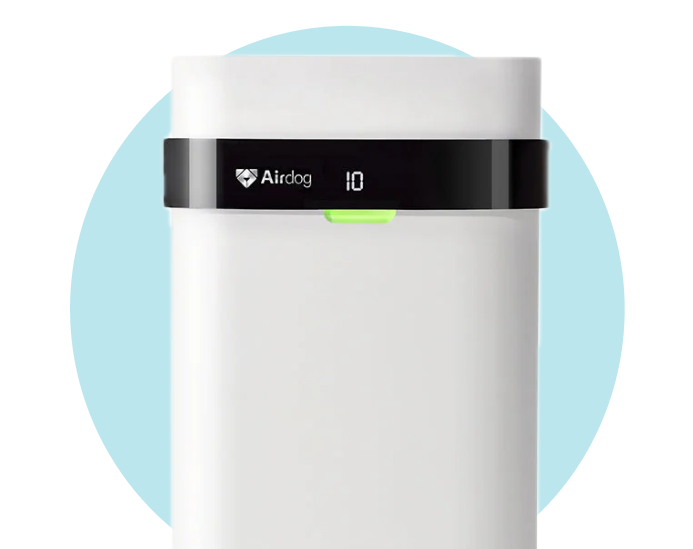
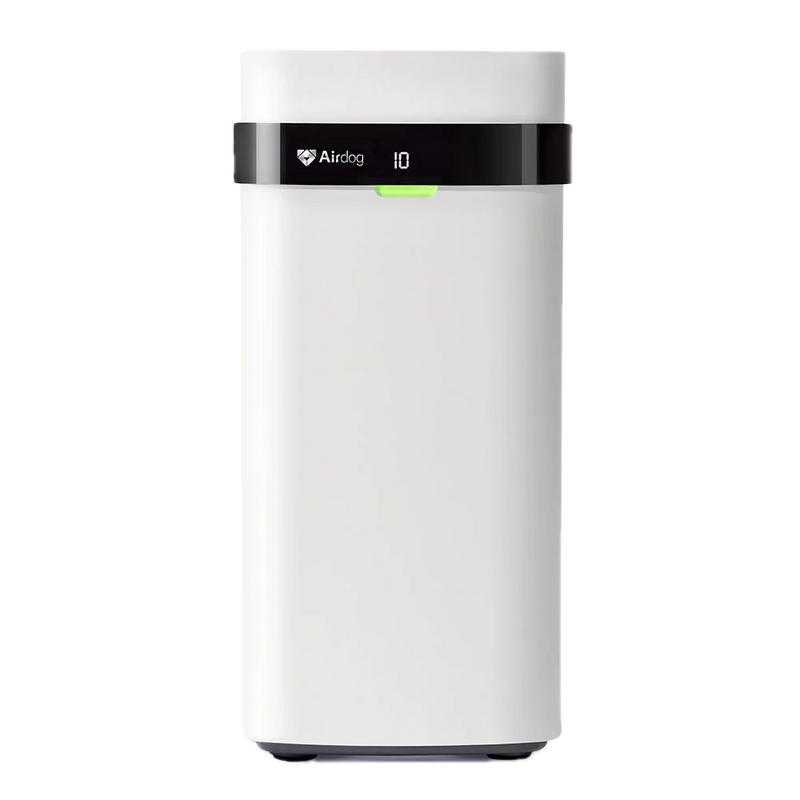
Airdog’s MOI humidifier is an example of an evaporative design built with smart humidity monitoring, making it easier to maintain that safe 30–50% range without constant manual adjustments.
Safety First—Especially Around Kids and Pets
Never use warm-mist or steam vaporizers in nurseries or anywhere a child could reach. The EPA explicitly warns that steam and boiling water can cause serious burns if a curious toddler touches or tips the unit.
Cool-mist options—whether ultrasonic or evaporative—eliminate this burn risk entirely. They deliver the same humidity benefits without the danger of scalding water. When you're choosing how to use a humidifier safely in a home with young children or pets, this decision becomes non-negotiable.
Place the unit on a stable, elevated surface where it can't be easily knocked over. Keep cords tucked away and out of reach. These simple precautions prevent accidents before they happen.
What Water Should You Use?
Tap water contains minerals that create two immediate problems: white dust settling on furniture and scale building up inside your humidifier. That fine white film you see coating surfaces near your humidifier? It's mineral residue that was in your water, now distributed throughout the room.
Distilled water is the best option. It has minerals removed through a purification process, which means:
-
Less cleaning required—scale doesn't build up as quickly inside the tank and on internal components
-
No white dust—your furniture, electronics, and floors stay cleaner
-
Reduced airborne particles—fewer minerals floating in the air means less irritation for sensitive respiratory systems
Minerals released into the air can be breathed in, potentially irritating airways—exactly what you're trying to avoid when learning how to use a humidifier to improve comfort.
When Distilled Water Isn't Practical
Buying gallons of distilled water weekly adds up, especially if you're running a humidifier nightly through a long winter. If distilled water strains your budget or isn't readily available, demineralization cartridges or filters offer a backup solution.
These devices attach to or sit inside your humidifier, designed to remove minerals from tap water before it gets dispersed. Their effectiveness varies widely between brands and models. Some work well; others barely make a dent.
Your visual test: Watch for white dust appearing on surfaces near the humidifier. If you see that telltale film developing, your demineralization system isn't removing enough minerals. At that point, either switch to distilled water or replace the cartridge—continuing to run tap water through an ineffective filter defeats the purpose of using a humidifier to improve air quality.
Placement: How to Humidify a Bedroom Without Soaking It
Your Placement Checklist—Protect Surfaces and Maximize Effectiveness
-
Place your unit on a stable, water-safe tray to catch any drips or condensation that might damage wood furniture or floors.
-
Keep the humidifier on a flat, elevated surface—a nightstand, dresser, or small table works well. Elevation helps the mist disperse more evenly throughout the room rather than settling near the floor.
-
Position it at least 12 inches away from walls. This buffer zone prevents moisture from concentrating on wall surfaces where it can cause paint damage or mold growth over time.
-
Aim the mist nozzle away from outlets, curtains, paper, and electronics. Water and electricity don't mix, and damp fabric or paper creates the perfect environment for mold. Point the mist toward open floor space or the center of the room.
-
Keep your humidifier away from vents and heaters. Placing it near heat sources causes the humidity sensor to register false readings.
Why Center-ish Beats Corners Every Time
That corner spot might seem convenient, but it's actually working against you. Center-ish placement creates better airflow distribution, which means moisture spreads evenly instead of creating localized damp spots.
Good circulation prevents the common problem where one area feels perfectly humidified while another stays bone-dry. Central placement with good airflow ensures the moisture reaches all corners naturally through air movement.
Drafty rooms present a particular challenge. Your hygrometer might show low humidity readings while a nearby wall gets soaked. This happens when cold air from windows or doors creates uneven distribution patterns.
How Long Should You Run a Humidifier?
Forget the "run it for 8 hours" advice. Your bedroom's size, insulation, and starting humidity level all affect how long you need to run the unit.
Run your humidifier in blocks until the room reaches mid-range RH (around 40-45%), then maintain. Check your hygrometer after 2-3 hours of operation. If you're still below 35%, keep running. Once you hit your target range, you can often reduce output or cycle the unit on and off.
Window condensation is your clearest warning sign. Water droplets forming on windows, walls, or pictures mean you've pushed humidity too high. Lower the humidistat setting immediately or reduce runtime.
Try this nighttime approach: Run the humidifier for 2-3 hours before bed, then reduce output or turn it off once you're asleep. Most people find comfort in the 30-50% range—you don't need the unit blasting all night to maintain that level once you've reached it.
If you wake up to foggy windows, shift your strategy: run the humidifier earlier in the evening for a shorter period, allowing levels to stabilize before the room temperature drops overnight. Cold windows amplify condensation, so timing matters more than total runtime.
A Low-Effort Cleaning Routine That Prevents the "Gross Mist" Problem
The inside of your humidifier—damp, dark, and warm—creates the perfect breeding ground for bacteria and mold. Neglected tanks become growth zones where microorganisms multiply, then get blown right back into the air your family breathes.
Your Daily Two-Minute Reset (Highest Impact)
Learning how to use a humidifier properly means accepting that cleaning isn't optional—it's the difference between helpful moisture and harmful mist.
-
Unplug your humidifier before you do anything else.
-
Empty the tank completely.
-
Wipe all interior surfaces dry with a clean cloth.
-
Refill with fresh distilled water right before bedtime.
This entire process takes less time than brushing your teeth—and it's the single most effective way to keep your humidifier safe.
Deep Clean Every 3 Days (Weekly Minimum)
-
Scrub tank and base with mild soap or diluted vinegar.
-
Let solution sit 15–30 minutes for mineral buildup.
-
Rinse thoroughly—no residue should remain.
-
Check and replace filters as recommended.
If it smells musty, feels slimy, or looks crusty, clean it immediately.
Filter and Wick Care That Avoids Surprises
If your unit uses a filter or wick, follow the replacement schedule in your manual. Typical replacement ranges vary from once a month to once every four months depending on your model and usage frequency.
Don't try to stretch a musty filter. Reduced airflow and odor show it's time for a replacement—not time to rinse and reuse. A clogged filter forces your humidifier to work harder while distributing fewer benefits and more potential irritants.
Check your filter every time you do a deep clean. If it looks discolored, feels slimy, or smells off, replace it immediately regardless of the schedule. Your family's respiratory health isn't worth the $10-15 you might save by waiting.
Red Flags, Troubleshooting, and When to Stop
The Fastest Over-Humidification Test You Can Do Right Now
Stop or reduce use if you notice:
-
Condensation on windows
-
Damp walls
-
Musty smells
-
White dust accumulation
-
Worsening allergy symptoms
If water condenses on windows, walls, or pictures, you need to relocate the humidifier, lower its humidistat setting, or reduce runtime immediately.
Don't wait for visible mold to appear. Dampness creates the conditions mold needs long before you see black spots or smell that distinctive basement odor.
Lower your humidistat by 5-10% and monitor for 24 hours. If condensation persists, move the unit farther from walls and windows where cold surfaces attract moisture.
Why 50% RH Is a Hard Ceiling for Allergy Households
Dust mites and mold thrive when indoor air becomes too damp. If you're managing allergies or asthma in your home, keep your humidity controlled and use 50% RH as your absolute maximum.
Dust mites—microscopic creatures that trigger allergic reactions—multiply rapidly in humid environments. They need moisture to survive, and humidity above 50% gives them exactly what they want.
Place your hygrometer where your family spends the most time (not right next to the humidifier). Monitor readings twice daily during heavy use periods. If you consistently see numbers approaching or exceeding 50%, dial back your settings immediately.
How to Use a Humidifier the Smart Way
At its core, learning how to use a humidifier isn’t about running it all night or cranking it to the highest setting. It’s about balance.
Healthy indoor air isn’t overly dry and it isn’t damp. It stays within that steady 30-50% humidity range where your throat feels comfortable, your skin isn’t cracking, and mold doesn’t get a foothold.
When you truly understand how to use a humidifier, your routine becomes simple:
-
You measure humidity instead of guessing.
-
You adjust output based on real readings.
-
You stop when condensation appears.
-
You clean consistently so yesterday’s water doesn’t become tomorrow’s irritant.
That’s it. No overcomplicating it.
And when the technology helps regulate moisture automatically like with an evaporative smart unit such as Airdog’s MOI Humidifier, it removes much of the trial and error that causes over-humidifying in the first place.
Understanding how to use a humidifier properly isn’t just about adding moisture. It’s about creating a balanced indoor environment your family can breathe comfortably in every day.