

Imagine waking up each morning to clean, fresh air without congestion, irritation, or lingering odors from the night before. As more households become aware of indoor air quality, a common question arises: can you leave an air purifier on all night?
Indoor air often contains dust, pollen, pet dander, volatile organic compounds (VOCs), and other pollutants that can accumulate while we sleep. Because we spend six to eight hours each night in enclosed bedrooms, overnight air quality plays a major role in respiratory comfort and overall well-being.
The good news is that for most modern systems, running an air purifier overnight is not only safe—it’s often beneficial.
Is It Safe to Leave an Air Purifier On Overnight?
Yes. Most modern air purifiers are designed for continuous operation, including overnight use, as long as they are properly maintained and used as intended.
Built-In Safety Features
Many air purifiers include features specifically designed to support extended runtimes:
-
Automatic Shut-off: Many air purifiers come equipped with an automatic shut-off mechanism. This feature is crucial for preventing overheating and ensuring the device operates only when necessary.
-
Timers and Sleep Modes: The inclusion of timers allows users to program the air purifier to run for specific durations, ensuring it's active during sleep hours but conserving energy when not needed.
-
Energy-efficient Motors: Modern air purifiers often feature energy-efficient settings, which minimize electricity consumption without compromising air quality. This ensures that leaving your air purifier on all night doesn't lead to a significant increase in energy bills.
These features help ensure safe and reliable performance while you sleep.
Certifications That Matter
When selecting an air purifier for overnight use, certifications play a pivotal role in ensuring the device meets established safety and efficiency standards:
-
ENERGY STAR Certification: Air purifiers that boast the ENERGY STAR certification meet strict energy efficiency guidelines set by the U.S. Environmental Protection Agency. This certification is a testament to the device's ability to operate efficiently 24/7, making it an ideal choice for continuous use.
-
Certified Safety Features: Look for air purifiers that have undergone rigorous testing and have been certified by reputable organizations for safety. These certifications ensure the device is constructed and operates within the safety norms, reducing any risk of accidents or malfunctions during overnight use.
Benefits of Leaving an Air Purifier On All Night
Cleaner Air While You Sleep
Air purifiers serve as the first line of defense against airborne allergens and pollutants. Their operation during the night plays a pivotal role in maintaining a sanctuary free of:
-
Pollen: A notorious trigger for hay fever.
-
Dust Mites: These common allergens find themselves ensnared within the purifier’s filtration system, reducing their prevalence in the sleeping environment.
-
Pet Dander: For households with furry members, an air purifier diminishes the circulation of pet dander, a common irritant.
-
Volatile Organic Compounds (VOCs): Emanating from paints, cleaners, and other household products, VOCs are reduced, ensuring cleaner breathing air.
This constant filtration helps prevent allergens from settling into bedding and surfaces.
Improved Sleep Quality
Cleaner air can support more restful sleep by:
-
Reducing Allergens: By significantly lowering the concentration of allergens in the bedroom, individuals with allergies or asthma experience fewer disruptions, such as sneezing or coughing fits, thereby enhancing sleep continuity.
-
Preventing Stale Air Buildup: Some air purifiers also manage humidity levels, preventing the air from becoming too dry or too moist, conditions that can adversely affect sleep quality.
-
Providing Noise as a Sleep Aid: Many air purifiers produce a consistent, soothing white noise, which can mask disruptive external sounds and facilitate a quicker descent into deep sleep cycles.
Respiratory Support
For individuals with allergies, asthma, or sensitive airways, overnight air purification may:
-
Reduce nighttime flare-ups
-
Support easier breathing
-
Maintain consistent air quality for several uninterrupted hours
Best Practices for Overnight Air Purifier Use
Ensuring the safety and efficiency of using an air purifier throughout the night involves more than just keeping the device running.
Proper Placement for Optimal Air Circulation
-
Open Space: Position the air purifier in an open area to facilitate unrestricted air flow. Avoid corners or tight spaces where air movement is minimal.
-
Height Considerations: Placing the purifier at a height, on a table or shelf, can sometimes improve its efficiency in circulating air throughout the room.
-
Distance from Obstacles: Ensure the air purifier is at least a few feet away from walls or furniture to prevent obstruction of air intake and output.
-
Central Location: For maximum effectiveness, try to place the air purifier centrally within the room, or at least in the area where you spend the most time.
Regular Maintenance for Peak Efficiency
-
Filter Upkeep: Follow the manufacturer's guidelines on how often to replace or clean the filters.
-
Cleaning: Regularly clean the exterior and air intake grills to prevent dust accumulation that can impede air flow and reduce efficiency.
-
Sensor Checks: If your air purifier has air quality sensors, ensure they are clean and functioning correctly to maintain optimal operation.
-
Professional Servicing: Consider having your air purifier professionally serviced annually to check for any internal issues that aren't visible but could affect performance.
Noise Considerations
Look for air purifiers with:
-
Sleep or night modes: Consider sound levels under 30 decibels for bedroom use
Addressing Common Myths About Overnight Use
“It Uses Too Much Electricity”
Most air purifiers use about the same amount of power as a small fan. Energy-efficient designs keep overnight operation costs relatively low.
“It’s Too Loud to Sleep With”
Many modern air purifiers are engineered specifically for bedrooms and operate at whisper-quiet levels.
“It Emits Harmful EMFs”
Air purifiers emit extremely low electromagnetic fields—often less than everyday household devices—and are considered safe for continuous use.
The Bottom Line on Leaving an Air Purifier On All Night
So, can you leave an air purifier on all night? For most homes, the answer is yes and doing so can significantly improve nighttime air quality, sleep comfort, and respiratory health.
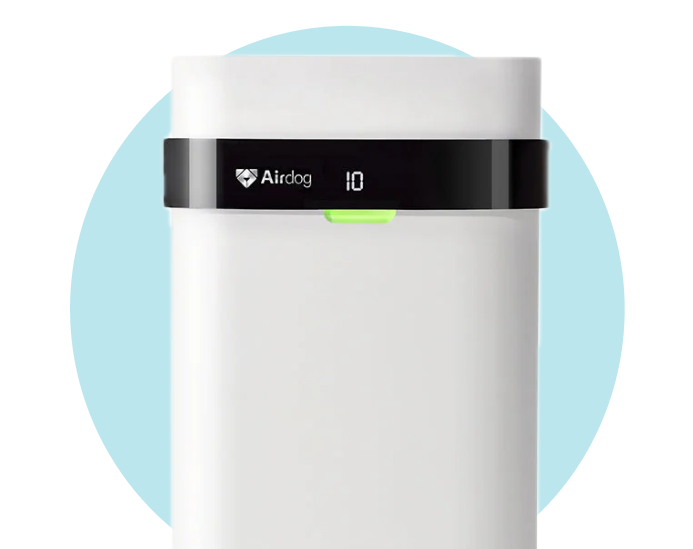
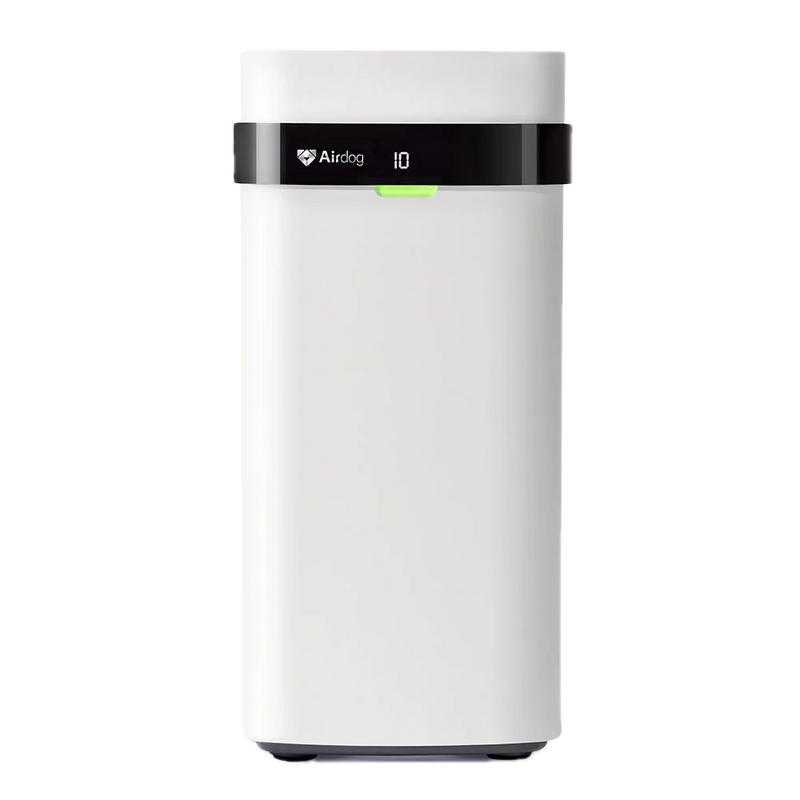
The key is choosing an air purification system designed for continuous use. Airdog air purifiers, for example, use washable filter technology rather than traditional disposable filters. This allows consistent airflow and performance overnight without filter clogging or frequent replacements—making them well suited for long, uninterrupted operation.
Whether you’re managing allergies, sleeping with pets, or simply want cleaner air while you rest, leaving your air purifier on overnight can be a simple, effective step toward a healthier home. With the right system and proper setup, clean air doesn’t have to stop when the lights go out.