

Air purifiers are essential for maintaining clean, healthy indoor air—but when they reach the end of their lifespan, disposing of them the wrong way can create a very different problem. Electronic components, plastic housings, and used filters can all carry environmental risks if they end up in landfills. That’s why understanding how to dispose of an air purifier responsibly is just as important as choosing the right one for your home.
This article breaks down what’s inside an air purifier, how those components should be handled, and the disposal, recycling, donation, and take-back options available in most communities. Whether you're decluttering, upgrading, or dealing with a device that’s finally burned out, here’s how to make sure your old purifier exits your home the right way.
Understanding Your Air Purifier
When it comes to disposing of air purifiers, a deeper understanding of their components is essential. Air purifiers, integral to maintaining indoor air quality, consist of various parts, each with its own environmental implications upon disposal. Let's break down these components and uncover the importance of responsible disposal practices.
Electronic Components
-
Toxicity: Many air purifiers contain electronic components that, if not disposed of properly, can release harmful toxins into the environment. These components often include batteries, circuit boards, and wiring, all of which can leach hazardous substances like lead and mercury into the soil and waterways, posing significant health risks to humans and wildlife.
-
Recycling and Disposal: To mitigate these risks, it's imperative to separate electronic components from the air purifier and ensure they reach a certified e-waste recycling facility. These facilities specialize in safely breaking down electronics, recovering valuable materials, and properly managing hazardous waste.
Plastics
-
Environmental Impact: Plastics make up a significant portion of air purifiers, from the casing to internal parts. When not recycled, these plastics can take centuries to decompose in landfills, releasing toxic chemicals in the process and contributing to the global plastic pollution crisis.
-
Recycling Solutions: Identifying local recycling programs that accept plastics from electronic devices is a step towards minimizing this impact. These programs have the expertise and resources to process plastics in a way that they can be reused in the manufacturing of new products.
HEPA Filters
-
Pollutant Traps: HEPA filters in air purifiers are designed to capture a wide array of pollutants, including dust, pollen, mold spores, and bacteria. While effective in purifying indoor air, these filters become environmental hazards if not disposed of with care, as they contain trapped pollutants and non-biodegradable materials.
-
Proper Disposal: The Aeroguardians' guide emphasizes the significance of separating HEPA filters from the air purifier unit for specialized disposal. Given their content, regular recycling facilities may not accept these filters. However, some manufacturers and specialized programs offer options for recycling or safe disposal of used HEPA filters, ensuring that pollutants do not escape into the environment during the disposal process. For this reason, some households choose purifiers with reusable filtration systems to avoid disposable filter waste altogether.
Local Recycling and Disposal Options
Before dropping off an air purifier anywhere, start by checking local regulations. Every municipality handles e-waste differently.
-
Contact Your Local Waste Management Facility
Visit your waste management agency’s website or call them. Ask:
-
Do you accept air purifiers as e-waste?
-
Do HEPA filters require special disposal?
-
Are there any drop-off fees or prep steps?
This ensures nothing ends up where it shouldn't.
-
Search Online Tools for Disposal Sites
Many cities (NYC.gov included) offer:
-
SAFE Disposal Events for electronics and hazardous waste
-
Year-round special waste drop-off sites
These locations guarantee responsible recycling for devices like air purifiers.
-
Retail Drop-Off Programs
Large retailers often accept small household appliances and electronics:
• Best Buy
• Staples
These programs are typically free and convenient and they ensure proper, certified recycling.
Manufacturer Take-Back Programs
The Role of Manufacturer Take-Back Programs in Sustainability
Manufacturer take-back programs represent a crucial step towards sustainability in the lifecycle of air purifiers. These programs, initiated by conscientious manufacturers, aim to mitigate the environmental impact of their products from production through to disposal. By taking responsibility for the end-of-life processing of their products, manufacturers not only ensure proper recycling but also promote a culture of environmental responsibility.
-
Environmental Impact: These programs significantly reduce the volume of waste entering landfills by ensuring that valuable materials in air purifiers are recovered and recycled.
-
Ease of Disposal: For consumers, these programs offer a hassle-free way to dispose of old or non-functional air purifiers, knowing that they are contributing positively to the environment.
-
Sustainability Goals: Manufacturers that offer take-back programs often align with broader corporate sustainability goals, contributing to a circular economy where resources are reused and recycled to the maximum extent possible.
How to Participate in Manufacturer Take-Back Programs
Participating in a manufacturer's take-back program involves a few straightforward steps. These steps ensure that your air purifier is disposed of responsibly, contributing to environmental sustainability.
-
Identify the Manufacturer: Check the branding on your air purifier to identify the manufacturer. This is your first step towards finding out if a take-back program is available.
-
Visit the Manufacturer’s Website: Most manufacturers that offer take-back programs provide details on their websites. Look for sections on sustainability, recycling, or customer service.
-
Contact Customer Service: If the information isn't readily available online, reach out to the manufacturer's customer service department. They can provide details about the take-back program and how to participate.
-
Prepare the Device: Before sending your air purifier back, ensure it's prepared according to the manufacturer's guidelines. This might include removing filters or packaging the device properly.
-
Ship or Drop-off: Depending on the program, you may need to ship your air purifier back to the manufacturer or drop it off at a designated location.
The Benefits of Choosing Manufacturers with Take-Back Programs
Opting for air purifiers from manufacturers that offer take-back programs comes with several benefits. Not only does it ease the disposal process, but it also aligns your purchasing decisions with environmental stewardship.
-
Reduced Environmental Footprint: By ensuring the proper recycling of air purifiers, these programs prevent pollution and reduce the demand for raw materials.
-
Support for Sustainable Practices: Purchasing from manufacturers with take-back programs supports businesses that prioritize the planet’s health over profit.
-
Peace of Mind: Knowing that your device will not end up harming the environment at the end of its life provides a sense of responsibility and fulfillment.
In essence, manufacturer take-back programs play a pivotal role in the sustainability of air purifiers. By participating in these programs, consumers not only ensure the eco-friendly disposal of their devices but also support the shift towards a more sustainable and circular economy. Manufacturers like Philips showcase leadership in sustainability through their recycling initiatives, setting an example for others in the industry. As consumers, choosing products from companies with these programs contributes to a larger impact on environmental conservation. Choosing purifiers with long-lasting, washable filtration systems can also reduce how often a unit needs to enter the recycling stream at all.
Donation and Rebate Programs
Extending the Life of Air Purifiers Through Donation
Donating a working air purifier not only extends its lifecycle but also supports various communities and individuals in need. This act of generosity contributes to social welfare while simultaneously adhering to principles of waste reduction. Here's how to approach the donation process:
-
Identify Potential Recipients: Charities, schools, and community centers often welcome the donation of working air purifiers, especially in areas with poor air quality or in buildings lacking modern HVAC systems.
-
Check Device Functionality: Before donating, ensure that the air purifier is in good working condition. It's helpful to include any manuals or accessories that came with the device.
-
Clean and Prepare: A thorough cleaning of the air purifier, including the filter (if not replaceable), ensures that the next user receives it in the best possible condition.
-
Research Local Regulations: Some jurisdictions have specific guidelines on donating electronic devices. A quick check can ensure compliance and a smooth donation process.
By donating air purifiers, individuals not only contribute to environmental sustainability but also directly impact the health and well-being of others. This action aligns perfectly with the values of those interested in home and garden, health and fitness, and community welfare.
Participation in Rebate Programs
Energy companies like PSE&G and FirstEnergy Corp offer financial incentives for recycling old, working appliances, including air purifiers. These rebate programs serve a dual purpose: they encourage consumers to recycle, thereby promoting energy efficiency, and they provide a financial benefit to the participant. Here’s how to engage with these programs:
-
Verify Eligibility: First, check if your air purifier qualifies for a rebate program. Criteria can include age, condition, and energy efficiency ratings.
-
Understand the Benefits: Rebates can vary significantly, from direct financial incentives to discounts on future energy bills or the purchase of newer, more efficient models.
-
Prepare Necessary Documentation: This might include proof of purchase, model number, and energy usage details. Each program has its own requirements.
-
Arrange for Pickup or Drop-off: Some programs offer free pickup of your old appliance, while others may require you to bring it to a designated location.
Preparing Your Air Purifier for Recycling
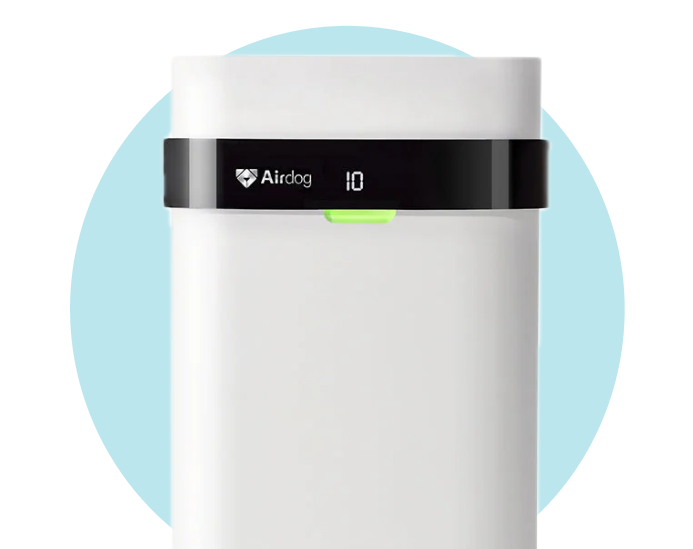
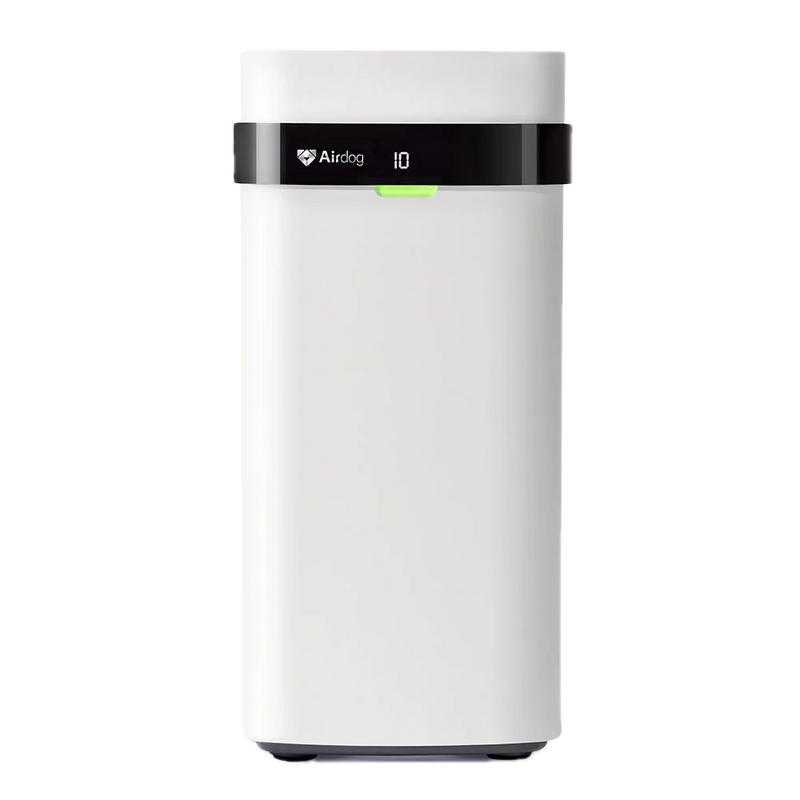
Before recycling your air purifier, it’s important to prepare it properly — and that starts with understanding the type of filtration system your device uses. Most models fall into one of two categories: purifiers with disposable HEPA filters and purifiers with washable or reusable filtration systems, such as Airdog’s TPA® technology. Each requires a slightly different approach, but the overall goal is the same: prevent contaminants from spreading and make the recycling process as efficient as possible.
1. Remove and Handle the Filter Correctly
Whether your filter is disposable or washable, always begin by powering off and unplugging the unit. Then:
-
For HEPA and other disposable filters:
These filters trap dust, allergens, and microbial particles, so they must be handled with care. Following manufacturer instructions, remove the filter gently, place it in a tightly sealed bag, and dispose of it in your household trash. Because of the pollutants they hold — and their non-recyclable materials — HEPA filters should never be sent to recycling facilities. -
For washable or reusable filters (e.g., Airdog’s TPA® collecting plates):
Washable filters don’t contain the same trapped hazardous debris. Simply remove the plates or modules and clean them as you normally would. Since these components are reusable, they typically don’t need to be discarded at all, and when a unit does reach end of life, the cleaned plates can often be recycled with plastics or metals if your local facility accepts them.
2. Clean the Purifier Housing
A quick wipe-down helps recycling centers process the device more easily:
-
Dust the exterior
-
Wipe internal surfaces with a dry or slightly damp cloth
-
Ensure the unit is completely dry before reassembly
3. Prepare the Unit for Transport
Finally, package your purifier securely:
-
Use the original box if you still have it
-
Add padding so the unit doesn’t shift
-
Label the package as “Electronics for Recycling” if required by your facility
By preparing your air purifier thoughtfully, whether it uses disposable filters or washable ones, you help ensure that its materials are handled safely, responsibly, and efficiently.
Final Thoughts: Making Environmentally Conscious Decisions
Learning how to dispose of an air purifier responsibly is an essential step in minimizing electronic waste and protecting the environment. From understanding what to do with filters to taking advantage of local recycling programs and manufacturer take-back options, every small action contributes to a healthier, more sustainable future. When each of us takes the time to prepare our devices properly, we help reduce landfill buildup, recover valuable materials, and keep harmful pollutants out of our communities.
Of course, the easiest way to simplify disposal is to start with a purifier designed for longevity. Models with washable, reusable filtration, like Airdog’s TPA® technology, naturally reduce waste by eliminating the need for disposable HEPA filters altogether. Whether you're replacing an old unit or planning ahead, choosing a purifier built to last makes responsible ownership effortless from day one.