

Have you ever wondered why, despite keeping your home clean, you or your loved ones still suffer from stuffy noses and allergy symptoms? Surprisingly, the culprit often lies in the air you breathe indoors. With the average person spending around 90% of their time indoors, air quality has a profound impact on respiratory health. This article explores whether air purifiers can help relieve stuffy noses and improve indoor air quality, giving you actionable insights backed by science.
How Poor Indoor Air Causes Stuffy Noses
A stuffy nose is often the result of irritation in the nasal passages caused by allergens, dust, pet dander, and other airborne particles. Common contributors include:
- Dust mites – tiny creatures that thrive in bedding, carpets, and upholstered furniture.
- Pet dander – microscopic skin flakes from cats, dogs, and other animals.
- Pollen – which can enter homes through open windows or cling to clothing.
- Particulate matter (PM2.5 and PM10) – tiny particles that can inflame nasal passages and exacerbate congestion.
When these irritants accumulate indoors, they can trigger inflammation and mucus production, making it harder to breathe comfortably.
How Air Purifiers Help
Air purifiers can play a significant role in reducing stuffy noses by removing the particles that irritate your nasal passages.
HEPA Filters: The Gold Standard
HEPA (High-Efficiency Particulate Air) filters trap 99.97% of particles as small as 0.3 microns, including dust, pollen, pet dander, and mold spores. By capturing these allergens, air purifiers help:
- Reduce nasal irritation and inflammation.
- Lower mucus production that blocks airways.
- Minimize allergy-related congestion.
Activated Carbon Filters
Some air purifiers also include activated carbon layers that remove odors, smoke, and certain gases. That combination matters most in a bedroom air purifier, where you're breathing the same air for hours at a time.
Real-World Benefits
Research and user testimonials consistently show improvements in respiratory comfort when air purifiers are used including:
- Reduced allergy symptoms, including nasal congestion and sneezing.
- Fewer nighttime breathing disruptions, leading to better sleep.
- Cleaner indoor air quality, creating a healthier environment for sensitive individuals.
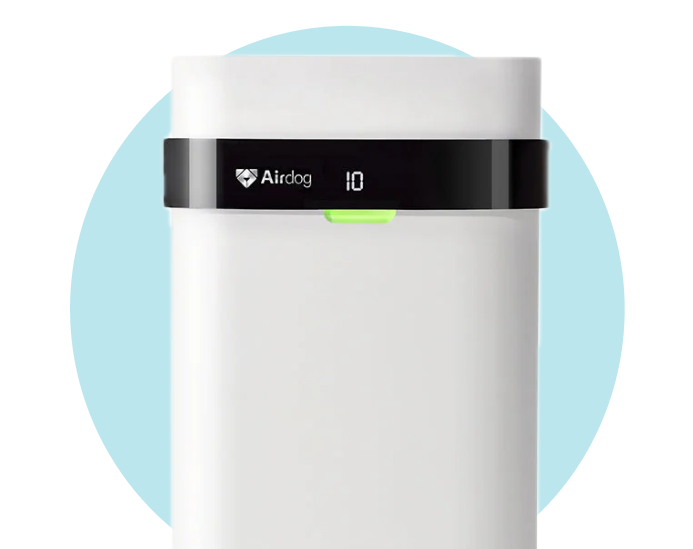
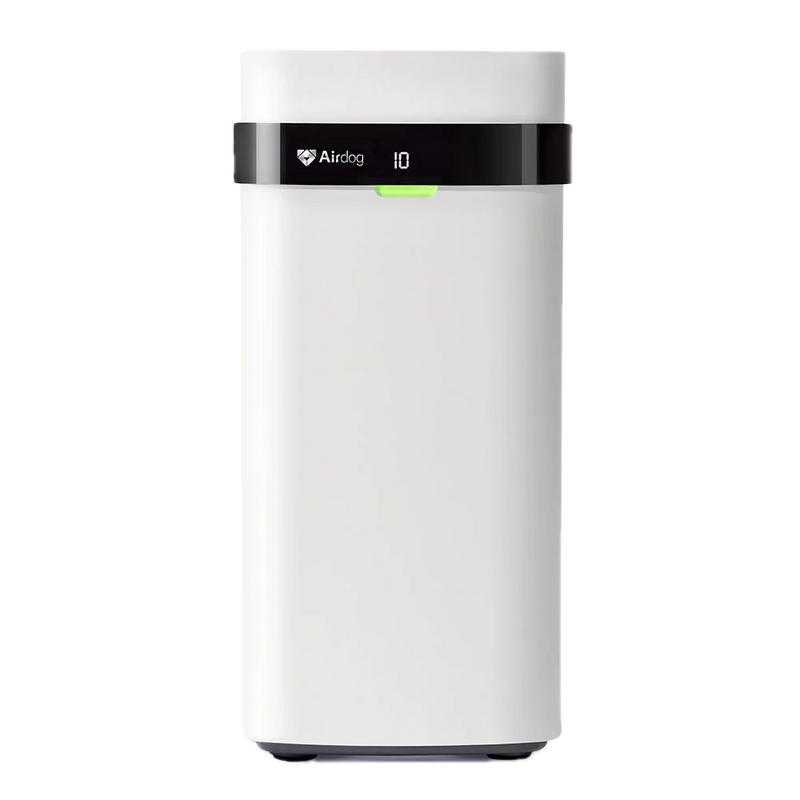
Devices like Airdog use advanced filtration technology to capture fine airborne particles continuously, providing cleaner air without frequent filter replacements. While not a medical treatment, air purifiers can complement other measures such as managing allergies, maintaining optimal humidity, and keeping living spaces clean.
Breathing Easier With an Air Purifier
So, does an air purifier help with a stuffy nose? The answer is yes. By removing allergens, dust, and other airborne irritants from your indoor environment, air purifiers can reduce nasal inflammation, alleviate congestion, and improve respiratory comfort. While they are not a cure for underlying medical conditions, they offer a practical, non-invasive way to enhance indoor air quality and make breathing easier.
For the best results, consider pairing an Airdog air purifier with a humidifier. This combination addresses both airborne irritants and dry indoor air, creating an environment that supports sinus health and overall well-being.