

Snoring is more than just an annoying nighttime noise. It can disrupt sleep quality, strain relationships, and leave both the snorer and their partner feeling exhausted the next day. While causes like sleep position, allergies, and nasal congestion are well known, indoor air quality is often overlooked.
So, do air purifiers help with snoring? For many people, the answer depends on what’s triggering it. Airborne irritants like dust, pet dander, and pollen can inflame the nasal passages and throat, making snoring more likely. This article explores how air purifiers may help reduce those triggers, what the science says about air quality and snoring, and how improving your bedroom environment can support better, quieter sleep.
Understanding Snoring and Its Causes
Snoring occurs when airflow is partially blocked as you sleep, causing tissues in the throat or nasal passages to vibrate. Several factors can contribute to this obstruction.
Common contributors to snoring
- Structural issues in the nose or throat, such as enlarged tonsils or nasal polyps, can narrow the airway.
- Muscle relaxation during sleep can lead to partial closure of the airway. The soft tissue at the back of the throat collapses, vibrates, and produces the characteristic snoring sound.
- Obesity contributes significantly to snoring. Excess weight around the neck can squeeze the airway, making it more difficult for air to flow freely.
- Nasal congestion or sinus irritation.
Environmental factors can make these issues worse. Allergens and airborne particles irritate the respiratory system, leading to inflammation, swelling, and increased mucus production — all of which can increase snoring.
How Air Quality Impacts Snoring
Indoor air can contain a surprising amount of irritants, especially in bedrooms where dust, pet hair, and fabric fibers accumulate over time.
Airborne triggers that can worsen snoring
- Dust mites: Tiny creatures that thrive in bedding, upholstered furniture, and carpets.
- Pet dander: Tiny, sometimes microscopic, flecks of skin shed by cats, dogs, rodents, birds, and other animals with fur or feathers.
- Pollen: Can enter homes through open windows, doors, and on clothing from outside.
- Fine particulate matter that irritates the airway can also cause long-term harm to the respiratory system.
When these particles are inhaled throughout the night, they can inflame nasal passages and the throat, making it harder for air to move freely. For people whose snoring is allergy-related or congestion-driven, improving bedroom air quality can make a noticeable difference.
How Air Purifiers May Help Reduce Snoring
Air purifiers do not stop snoring directly. Instead, they work by reducing the airborne particles that often contribute to it.
What air purifiers do well
- Remove dust, pollen, and pet dander from the air
- Reduce respiratory irritation that leads to congestion
- Support easier nighttime breathing for allergy-prone sleepers
By lowering exposure to these irritants, air purifiers can help create a calmer airway environment, which may reduce the frequency or intensity of snoring for some people.
Air Purifiers vs. Humidifiers for Snoring
Snoring can be triggered by both airborne particles and dry air, which is why some people benefit from using more than one device.
The Role of Air Purifiers
- Targets allergens and fine particles
- Helpful for allergy-related or congestion-driven snoring
The Role of Humidifiers
- Adds moisture to dry air
- Can soothe irritated nasal passages and throats
In dry climates or during winter months, using both can create a more comfortable sleeping environment. The key is addressing the specific cause of the snoring rather than relying on a one-size-fits-all solution.
What to Consider When Using an Air Purifier in the Bedroom
Not all air purifiers are equally effective for sleep support.
Key factors to look for
- Coverage area that matches your bedroom size
- Quiet operation for overnight use
- Consistent performance with minimal airflow disruption
-
Easy maintenance to ensure long-term effectiveness
Running an air purifier overnight can help maintain cleaner air while you sleep, but it should complement healthy sleep habits, not replace them.
Putting It All Together: Do Air Purifiers Help With Snoring?
Air purifiers can be a helpful tool for reducing snoring when poor air quality is part of the problem. By removing airborne particles that irritate the nasal passages and throat, they support easier breathing and a more comfortable sleep environment. While they won’t resolve snoring caused by structural issues or sleep disorders, they can make a meaningful difference for people affected by allergens or congestion.
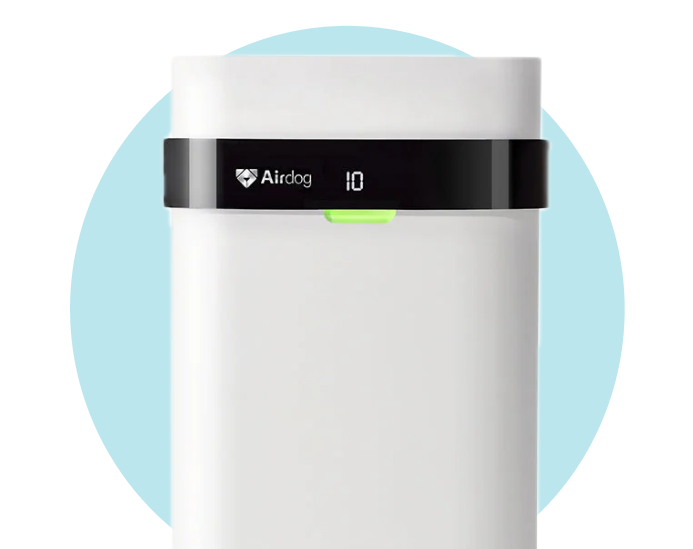
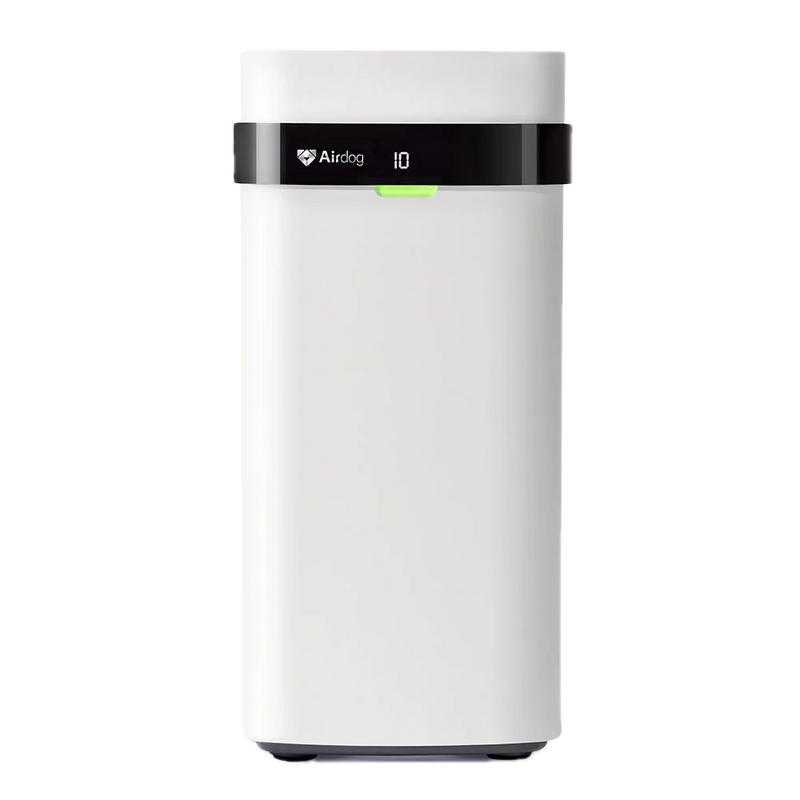
For those looking to improve air quality without frequent filter replacements, options like Airdog use a washable collection system designed to reduce fine airborne particles that can irritate the airways at night. When paired with other sleep-friendly strategies such as managing allergies, adjusting sleep position, and maintaining healthy humidity levels, an air purifier can support a calmer breathing environment and more restful nights.