

While we often focus on the visible aspects of our living spaces, the air we breathe plays an equally crucial role in our comfort and health. Air purifiers—devices designed to remove pollutants and allergens from indoor air—have grown increasingly popular. But a common question arises: do air purifiers cool the air? This article explores this misconception, explaining what air purifiers do, how they affect your comfort, and what additional measures are necessary for actual cooling.
Understanding Air Purifiers and Their Primary Function
Air purifiers work silently to cleanse indoor air from pollutants, allergens, and microscopic particles. However, cooling the air is not part of their design. Here are the most common plus a modern alternative you’ll want to know about:
Core Technologies Behind Air Purifiers:
-
High-Efficiency Particulate Air (HEPA) Filters: The most familiar method. Air is physically passed through a dense filter that traps particles as small as 0.3 microns. This is highly effective for dust, pollen, pet dander, and many allergens.
-
Activated Carbon Layers: Often used alongside HEPA or other filters. These absorb odors, smoke, and volatile organic compounds (VOCs), helping eliminate smells from cooking, smoke, pets, or chemicals.
-
UV Light: Some purifiers include UV light (or similar sterilizing methods), which help deactivate bacteria, viruses, and mold spores in the air — adding one more layer of protection.
-
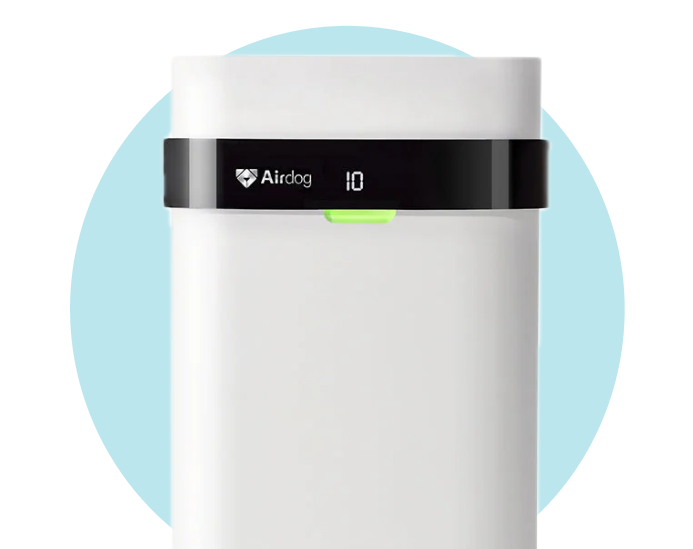
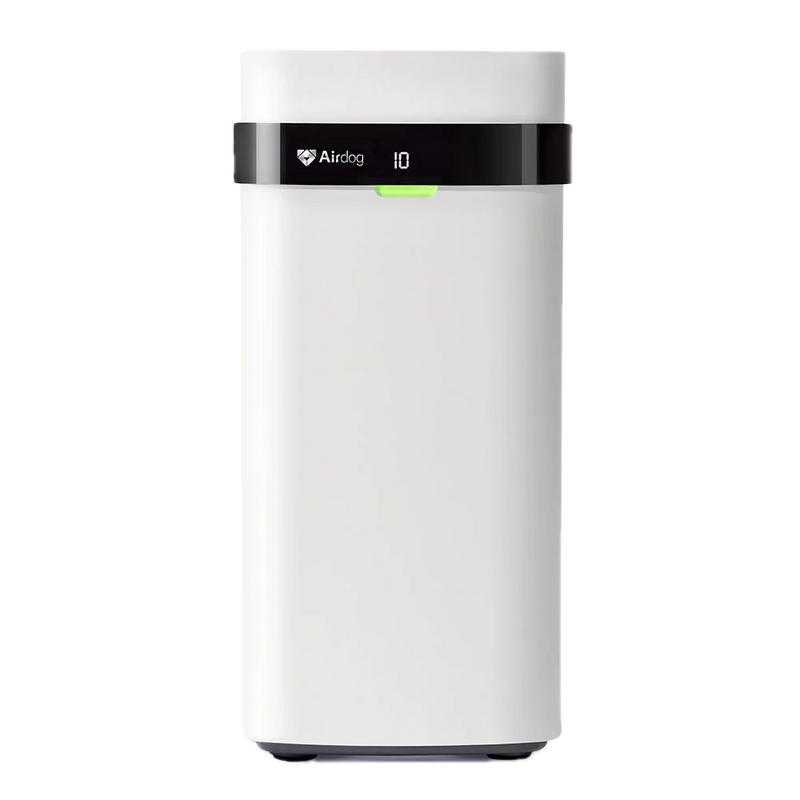
Filterless / Reusable Electrostatic Systems (e.g., Airdog): Use charged plates to attract and capture airborne particles. Plates are washable and reusable, reducing maintenance and waste while still removing ultra-fine pollutants.
By incorporating these technologies, air purifiers target a wide spectrum of airborne contaminants, ensuring healthier air for your home. Filterless or reusable systems like Airdog also make maintaining clean air more sustainable and convenient.
The Main Goal: Purify, Not Cool
Despite the feeling of a breeze that may emanate from air purifiers, their mission does not include altering the temperature of a room. Instead, their primary aim is to ensure the air we breathe is free from contaminants that can impact our health and comfort.
-
Air Movement vs. Cooling: The flow of air from a purifier might momentarily mimic the sensation of a cooler environment, especially if directed towards the skin. However, this is merely a result of air circulation, not a decrease in temperature.
-
Psychological Comfort vs. Physical Cooling: While the immediate area around an air purifier might feel more comfortable due to improved air quality and slight air movement, the overall room temperature remains unchanged.
Do Air Purifiers Cool the Air? A Detailed Explanation
The Wind-Chill Effect: Perception vs. Reality
-
Sensation of Coolness: When an air purifier is at work, its fans distribute air throughout the room. This movement of air across the skin might lead to a sensation of coolness, often referred to as the "wind-chill effect." It is a similar feeling to having a light breeze on a warm day, providing temporary relief but not actually reducing the ambient temperature.
-
Psychological Comfort: The clean air produced by the purifier can also contribute to a subjective feeling of a cooler environment. Breathing easier and the removal of irritants can enhance one's perception of comfort, further blurring the lines between feeling cooler and actual temperature change.
Air Movement Does Not Equal Temperature Decrease
-
Mechanics of Air Purifiers: Air purifiers pull room air through filters to trap pollutants, then expel the cleaned air back into the room. This process involves air movement but does not involve any cooling mechanisms such as those found in air conditioners.
-
Fan Effect vs. Cooling Effect: The operation of an air purifier closely mimics that of a fan in terms of air movement. However, unlike air conditioning units that actively cool air through refrigeration cycles, air purifiers do not modify the air's temperature. They merely recirculate the air within the same thermal state it was in upon entering the device.
Understanding the Role of Air Purifiers
-
Primary Function: It is crucial to recognize that the main goal of an air purifier is to improve air quality by removing airborne particles and contaminants. This is distinctly different from the purpose of cooling or heating devices. The effectiveness of an air purifier is measured by its ability to filter out pollutants, not by its impact on room temperature.
-
Setting Expectations: When selecting an air purifier, understanding its capabilities and limitations is vital. Expecting a device designed for air purification to also serve as a cooling solution can lead to misconceptions about its performance and overall satisfaction with the product.
By understanding the specific role of air purifiers and recognizing the difference between the sensation of coolness and actual temperature change, individuals can better appreciate the benefits these devices offer in terms of air quality. This distinction is crucial for anyone looking to enhance their living environment without misconceptions regarding cooling capabilities.
Potential Risks and How to Mitigate Them
While air purifiers improve air quality, some technologies can introduce risks:
Understanding Secondary Pollutants
-
Ozone-Producing Purifiers: Certain purifiers generate ozone, which can irritate the respiratory system. Avoid ozone generators in living spaces.
-
Incomplete Reactions: Some chemical-based purifiers can produce harmful by-products if reactions are incomplete.
Safe Alternatives:
-
HEPA filters and activated carbon filters purify air mechanically or through adsorption without generating harmful by-products.
-
Certified models ensure safety and adherence to industry standards.
Maintenance Tips:
-
Replace filters according to manufacturer guidelines.
-
Place purifiers in unobstructed, high-circulation areas.
Strategies for Cooling and Purifying Indoor Air
Air purifiers alone cannot cool a room, but combining them with other solutions creates a comfortable, healthy environment:
-
Air Conditioners: Utilize air conditioners in tandem with air purifiers to lower indoor temperatures while maintaining clean air. The air conditioner cools the air, while the purifier removes pollutants, ensuring that the cool air circulating within the room is also pure.
-
Dehumidifiers: Incorporate dehumidifiers to reduce indoor humidity levels. Lower humidity levels can make the air feel cooler and more comfortable, and they also help air purifiers function more efficiently by reducing the amount of moisture they have to process.
-
Natural Ventilation: Embrace natural ventilation strategies such as opening windows during cooler parts of the day to allow fresh air in and using exhaust fans to remove hot air. This can help in reducing indoor temperatures and improving air quality when outdoor air conditions are favorable.
-
Smart Home Integration: Thermostats, air quality monitors, and automated blinds can optimize both temperature and air purity.
Breathe Easier at Home
Air purifiers are invaluable for improving indoor air quality, but they do not cool the air. Any sensation of cooling is due to airflow, not a reduction in temperature. Devices like Airdog’s TPA® technology offer a highly efficient, low-maintenance way to remove dust, allergens, and pollutants, ensuring the air you breathe is cleaner and healthier.
For cooler indoor conditions, pairing air purifiers with air conditioners or dehumidifiers is the most effective approach. By understanding their true function and using complementary technologies, you can create a home environment that is both healthy and comfortably cool.