

Yes, air purifiers are safe for pets, and often necessary. Most high-quality air purifiers are remarkably beneficial for pets, especially breeds prone to respiratory distress. However, safety depends entirely on the technology used. While a good purifier removes dander and odors, a poorly chosen one (specifically those emitting ozone) can be hazardous to a pet’s sensitive lungs.
Why Air Quality Matters for Your Pet
Your pet spends nearly all day at nose level with dust, litter particles, dander, and household fumes. While you move between rooms, step outside, and breathe air at standing height, your pet lives closer to the floor where settled particles, cleaning residue, and litter dust concentrate. Indoor air quality affects pets just as much as the people caring for them, and in many cases, pets can be very sensitive to airborne irritants.
The good news: improved air quality can benefit animals too. Cleaner air reduces exposure to:
-
Dander and dust
-
Litter particles
-
Smoke
-
Household fumes
This matters because airborne irritants can affect your pet’s respiratory system, skin, and eyes.
A few quick terms to know:
-
Dander: means tiny skin flakes and attached proteins that pets shed constantly.
-
VOCs (volatile organic compounds): are gases released from household products, cleaning sprays, paints, air fresheners, and cooking.
-
CADR (clean air delivery rate): measures how quickly a purifier cleans the air
Set your expectations early: an air purifier can reduce airborne dander, litter dust, smoke particles, and some odors, but it will not replace scooping the litter box, vacuuming upholstery, or treating a pet with asthma or allergies. If you want to tackle pet hair on your couch, you still need a vacuum. If you want to manage airborne allergens and odors, a purifier can help.
The #1 Safety Concern: Ozone and Your Pet
When asking "Are air purifiers safe for pets?," the conversation starts and ends with Ozone.
Some older ionizers and "ozone generators" produce ozone as a byproduct. While humans can tolerate trace amounts, pets—particularly birds, cats, and small mammals—have much higher respiratory rates and more sensitive lung tissue.
-
The Risk: Ozone can cause lung irritation, scarring, and exacerbate feline asthma.
-
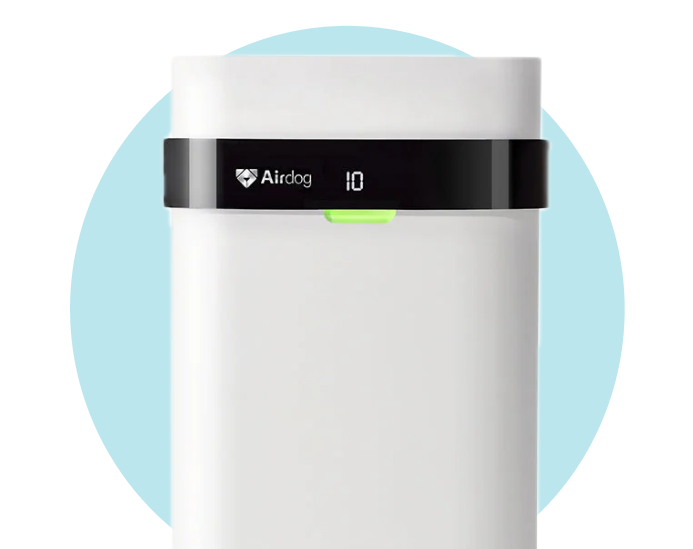
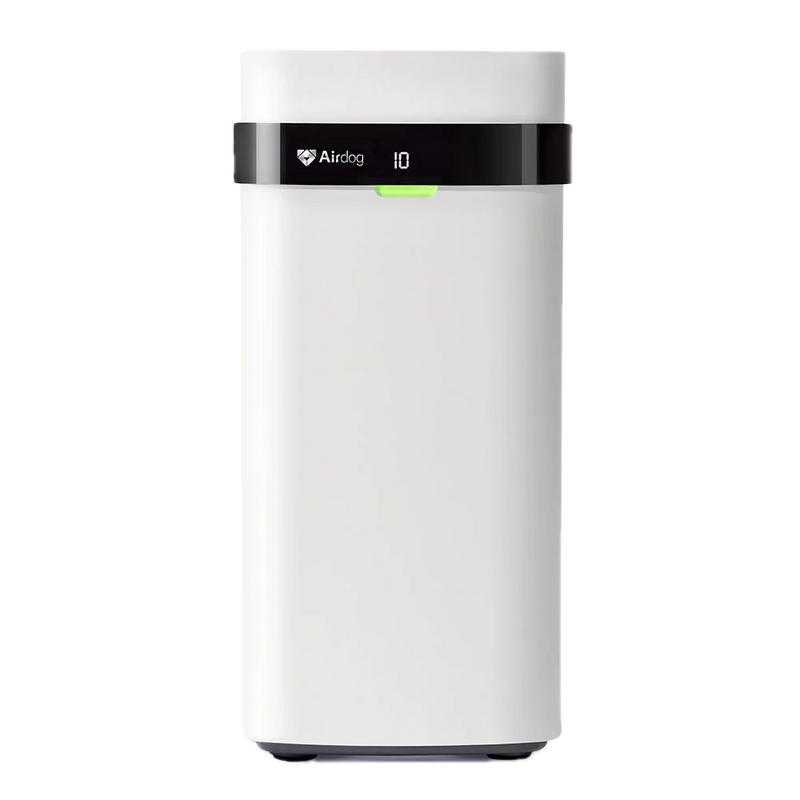
The Solution: Only choose "Ozone-Free" certified units. Advanced systems like Airdog’s TPA® technology create an ionic field to destroy pollutants without reaching the harmful levels of ozone found in traditional ionizers, meeting strict safety standards for even the smallest pets.
3 Hidden Safety Benefits for Animals
With pets in the house, the air becomes laden with additional pollutants like pet dander and odors, which can trigger allergies and respiratory issues. Air purifiers don't just keep the house smelling fresh; they act as a health shield for your animals:
-
Management of “Pet Asthma”: Just like humans, dogs and cats can suffer from environmental asthma triggered by pollen and dust.
-
Protection for Sensitive Breeds: Brachycephalic breeds (Pugs, Bulldogs, Persian cats) have narrowed airways. Scrubbing the air of particulates reduces the "work" their lungs have to do.
-
Removal of Toxic VOCs: Household cleaners and air fresheners release Volatile Organic Compounds. A purifier with high-grade filtration (like activated carbon or TPA®) breaks these down before your pet inhales them.
Physical Safety: Beyond the Filter
A truly "pet-safe" air purifier must also be physically compatible with your home environment. Consider these three factors:
-
Paws and Fans: Ensure the unit has a "finger-safe" or "paw-safe" grill. Small kittens or curious pups should not be able to reach the internal fan blades.
-
The "Zoomie" Test: Look for a unit with a wide, stable base. Lightweight, top-heavy purifiers are easily knocked over during a high-energy "zoomie" session.
-
Cord Management: If you have a "chewer" (rabbits or puppies), ensure the power cord is heavy-duty or tucked away behind furniture to prevent electrical shocks.
Choosing the Right Air Purifier for Pets
When it comes to ensuring the air in your home is safe for both you and your pets, not all air purifiers are created equal. To choose a pet-safe air purifier, consider the following essential criteria:
-
Effective Filtration: Look for air purifiers that can capture pet dander, hair, and allergens. While HEPA filters are a common choice, some advanced filtration systems like Airdog’s go beyond HEPA, capturing even smaller particles and offering washable filters for long-term use.
-
Ozone Production: Steer clear of air purifiers that emit ozone. While some models use ionizers that can generate ozone as a byproduct, these should be avoided as ozone can be harmful to pets’ respiratory systems.
-
Odor Control: Pets can introduce persistent odors into the home. While air purifiers with activated carbon filters can help absorb some smells, they become less effective over time as filters become saturated. Airdog’s advanced TPA® technology goes a step further by actively capturing and breaking down odor-causing particles at the molecular level.
Pro-Tip for Best Results
Place your air purifier in the room where your pet spends most of their time—usually the bedroom or living room. For maximum safety, ensure it has a Child/Pet Lock feature to prevent curious noses from changing the settings or turning the unit off.
When to Look Beyond an Air Purifier
If your pet is coughing, wheezing, or showing signs of respiratory distress, consult your veterinarian.
Also review environmental triggers like:
-
Scented litter or puppy pads
-
Candles or essential oils
-
Cleaning sprays
Air purifiers help, but they work best as part of a broader approach.
Final Verdict
So, are air purifiers safe for pets?
Yes—when you choose the right technology and use it properly.
The safest solutions avoid ozone, remove particles effectively, and maintain consistent performance over time.
That’s where newer systems like Airdog’s TPA technology offer a meaningful advantage. Instead of relying on disposable filters that clog and lose efficiency, Airdog actively captures and neutralizes particles while using washable components that are designed to last.
For pet owners, that means cleaner air with less maintenance, less waste, and fewer compromises.
Clean air should support your home, not complicate it. With the right setup, it can make a noticeable difference for both you and your pet.