

As the world grapples with the rippling challenges of the COVID-19 pandemic (even years later), pet parents are rightfully concerned to wonder, “can dogs get covid?”
The question reflects not only our deep bond with our pets but also our need to understand the dynamics of COVID-19 transmission between humans and dogs
Fortunately, reputable sources such as the Mayo Clinic and the CDC have addressed these exact concerns, helping pet owners to ensure the well-being of their furry family members without compromising air quality or home hygiene. Let's dive into the facts surrounding COVID-19 and our canine companions.
Can Dogs Contract COVID-19?
Scientific Evidence of COVID-19 in Dogs
Research and case studies from the Mayo Clinic and the CDC confirm that dogs, along with other animals, can indeed contract COVID-19. This occurs primarily through close contact with infected humans.
Documented cases show that pets, including dogs, have contracted the virus, underscoring the importance of understanding how COVID-19 affects our furry friends.
Understanding the Types of Coronavirus in Dogs
It's crucial to distinguish between the types of coronavirus that can affect dogs.
Canine coronavirus (CCoV), which commonly affects dogs, is not the same as SARS-CoV-2, the virus responsible for COVID-19 in humans.
Although dogs can contract COVID-19 from humans, such instances are infrequent. Dog parents can feel reassured that the cases of COVID-19 in dogs is so low; they can move forward with informed caution rather than undue alarm.
Transmission Dynamics
Understanding how COVID-19 transmits from humans to dogs plays a pivotal role in maintaining the health of our furry family members and ourselves. Research reveals the conditions which increase the likelihood of transmission and the actual risk involved.
Close and Prolonged Contact
Increased Risk with Intimacy: The likelihood of COVID-19 transmission from humans to dogs elevates with close and prolonged contact. This includes sharing living spaces, beds, and frequent physical interactions such as cuddling or kissing.
Household Transmission Insights: According to the Pandemic Mitigation Collaborative, transmission of SARS-CoV-2 between humans and pets is more common in households where pets have direct contact with infected individuals. Pet parents should be particularly cautious if a family member tests positive for COVID-19.
Rare Transmission from Pets to Humans
Minimal Risk: Research indicates that while pets, including dogs, can contract COVID-19 from humans, the reverse—pets transmitting the virus to humans—is exceedingly rare. This should offer some relief to concerned pet owners.
Supporting Evidence: The rarity of pet-to-human transmission aligns with findings from various health organizations, including the CDC, which underscore the minimal risk posed by pets in the transmission of COVID-19 to humans.
Pets and Virus on Fur
Understanding Fur Transmission: Can pets carry the virus on their fur? The American Lung Association clarifies that pet hair is porous, making it less likely for viruses to spread through pet fur than through smoother surfaces like doorknobs.
Reassurance for Pet Parents: The potential for pets to carry the virus on their fur is minimal but not impossible. Standard hygiene practices can further reduce any risk.
Preventive Measures for Pet Parents
The American Veterinary Medical Association (AVM) has set forth guidelines that serve as a cornerstone for pet owners during the pandemic. These recommendations aim to minimize the risk of COVID-19 transmission between humans and pets, ensuring a safe environment for everyone.
Limiting Close Contact
In instances where a pet parent tests positive for COVID-19, it becomes crucial to adjust the interaction they have with their pets to mitigate the risk of transmission.
-
Reduce Physical Contact: Avoid cuddling, kissing, or sharing sleeping spaces with your pets if you are infected.
-
Designate a Caregiver: If possible, have another household member care for the pets while you are in isolation.
-
Use Face Coverings: Wearing masks and maintaining a safe distance from your pets can further reduce the risk of transmission when unavoidable interactions occur.
Practicing Good Hygiene
The importance of good pet hygiene in preventing the spread of COVID-19 cannot be overstated. Pet owners should develop strong routines.
-
Wash Hands Diligently: Before and after interacting with your pets, wash your hands thoroughly for at least 20 seconds.
-
Disinfect Pet Supplies: Regularly clean and disinfect pet dishes, toys, and bedding to ensure they remain virus-free.
-
Pet Handling: After handling your pet, avoid touching your face and sanitize your hands promptly.
Keeping Pets Away from Others
Social distancing applies to pets as well, especially if your household is affected by COVID-19.
-
Avoid Dog Parks: Keep your pets within your property limits and avoid areas where your pets can interact with other animals and people.
-
Leash and Control: When outside for walks, ensure your dog is on a leash and maintain a safe distance from other pets and individuals.
-
Limit Pet Interaction: If your pet needs to go outside, choose less crowded times or areas to reduce the chance of contact with others.
Following AVMA Guidelines
The AVMA guidelines for pet owners during the pandemic serve as a valuable resource for navigating the care of pets during these challenging times.
-
Stay Informed: Regularly check the AVMA website for updates and guidance on caring for pets amid the pandemic.
-
Vet Visits: Opt for telemedicine consultations when possible. If in-person visits are necessary, follow the vet clinic's safety protocols.
-
Vaccination and Routine Care: Ensure your pets stay up to date with vaccinations and routine care to maintain their overall health and well-being.
By adhering to these preventive measures and guidelines, pet parents can play a big role in reducing the risk of COVID-19 transmission to their pets. Adopting these practices not only contributes to the health and safety of pets but also furthers the well-being of the entire household during the pandemic.
Symptoms and Care for Dogs with COVID-19
Pet owners should be informed of the symptoms to watch for if their pet has contracted COVID-19. Care guidelines provide next steps and reassurance in the event that your pet does become ill.
Recognizing Symptoms in Dogs
If your dog contracts COVID-19, they might exhibit symptoms that could easily be confused with more common ailments. Here's what to watch for:
-
Fever: Just like in humans, a fever can indicate your dog's body is fighting off an infection.
-
Coughing: Persistent coughing always requires attention, especially in the context of COVID-19.
-
Difficulty Breathing: Any signs of respiratory distress, such as heavy panting or struggling to breathe, should prompt immediate action.
-
Lethargy: If your usually energetic dog suddenly seems tired and uninterested in regular activities, it could be a sign of illness.
-
Loss of Appetite: Refusing food may indicate your dog is not feeling well.
Caring for a Dog with COVID-19
Once you suspect or confirm your dog has COVID-19, the following measures can help ensure their safety and recovery while protecting others:
Isolation
-
Keep Them Separated: If your dog tests positive for COVID-19, isolate them from other pets and family members to prevent the spread.
-
Dedicate a Space: Designate a comfortable area where your dog can rest and recover without coming into contact with others.
Monitoring Symptoms
-
Daily Checks: Keep a close eye on your dog's symptoms, noting any changes in their condition, whether improvement or deterioration.
-
Temperature Checks: Regularly take your dog's temperature to monitor for fever, using a pet-safe thermometer.
Veterinary Care
-
Contact Your Vet: Inform your veterinarian about your dog's symptoms and COVID-19 status for tailored advice.
-
Telemedicine: Use telemedicine options to consult with your vet, minimizing the need for in-person visits.
-
Safety Protocols: If an in-person visit is necessary, follow the veterinary clinic's safety protocols to protect staff and other pets.
Minimizing Exposure
-
Wear Masks: When handling your dog, wear a mask and wash your hands before and after interaction.
-
Disinfect: Regularly clean and disinfect the area where your dog is isolated, including any toys, bedding, or dishes they use.
By recognizing the signs of COVID-19 in dogs and following these care guidelines, pet parents can ensure their furry family members receive the love and attention they need while safeguarding the health of all household members.
Impact on Air Quality and Pet Odors in Homes
The COVID-19 pandemic has undeniably brought attention towards maintaining a healthier living environment, especially for pet parents. This heightened awareness extends beyond the virus itself, spotlighting the importance of overall air quality in our homes. Air purifiers play a pivotal role and offer a dual benefit: enhancing air quality and potentially reducing airborne pathogens, including viruses.
The Significance of Air Purifiers
Air purifiers serve as a line of defense against airborne particles, including pet dander, odors, and allergens. Because air purifiers can capture airborne pathogens, the pandemic has highlighted their importance. Here’s how they contribute to creating a healthier home environment:
-
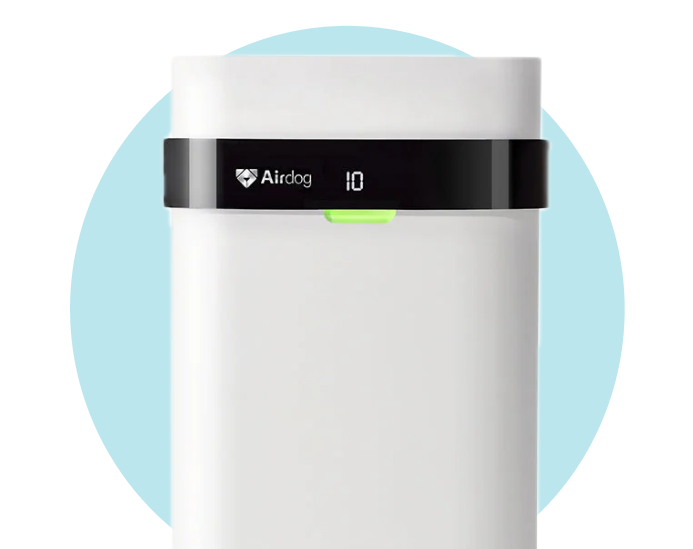
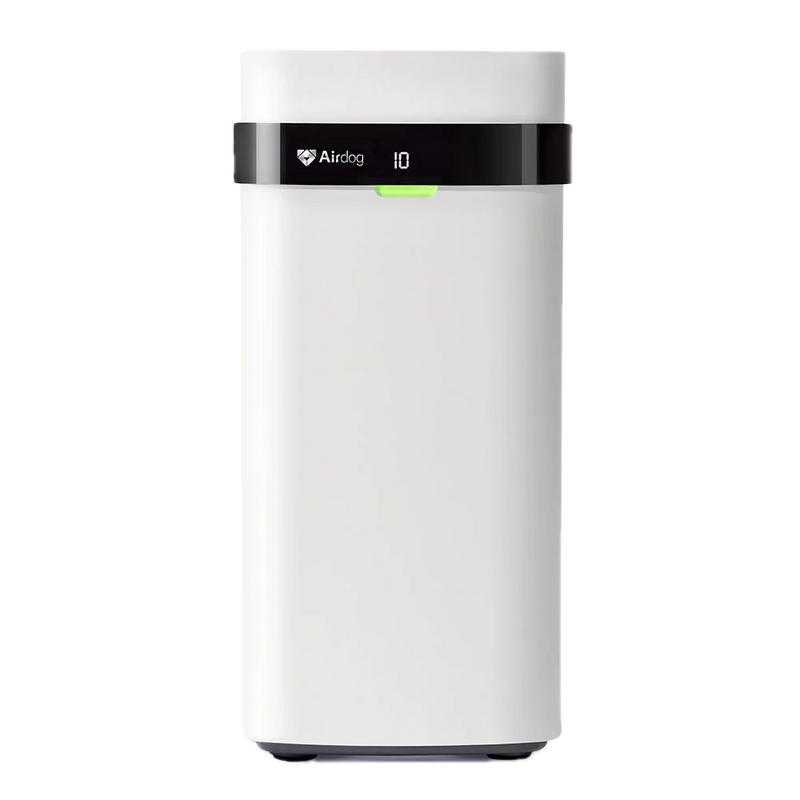
Capture Pet Dander: Dander, tiny flecks of skin shed by cats, dogs, and other furry or feathered pets, can trigger allergic reactions. Air purifiers with HEPA filters can capture these microscopic particles, significantly reducing allergy symptoms. But HEPA filters can only capture particles as small as 0.3 microns. While this is tiny, some of the most dangerous air particles are much smaller than this. Airdog’s air purifiers use patented Two-Pole Action Technology® to capture and destroy pollutants 20x smaller than HEPA air purifiers.
-
Neutralize Pet Odors: Pets can bring joy into our lives but can also introduce persistent odors. Activated carbon filters in air purifiers excel at absorbing these smells, ensuring your home remains fresh.
-
Reduce Allergens: Beyond pet-related particles, air purifiers can reduce the presence of other common allergens such as pollen, dust mites, and mold spores, contributing to a cleaner breathing space.
-
Potential to Reduce Pathogens: While not a replacement for proper hygiene and surface cleaning, air purifiers equipped with HEPA or other advanced filtration technologies have the potential to capture airborne virus particles, thus reducing the risk of respiratory infections. Airdog’s more advanced TPA filtration technology is a great alternative for individuals looking for the best standard of air purification.
Air Quality and Pet Health
Improving air quality does not merely benefit human occupants but has a direct impact on the health and well-being of our pets:
-
Reduced Respiratory Issues: Just as in humans, cleaner air can help mitigate respiratory issues in pets, particularly for those prone to allergies.
-
Enhanced Comfort: A home free of excessive pet dander, allergens, and odors can create a more comfortable environment for pets, reducing stress and improving their overall quality of life.
-
Healthier Lifestyle: A clean air environment supports a healthier lifestyle for pets, contributing to their longevity and vitality.
Choosing the Right Air Purifier
In selecting an air purifier, pet parents should consider the following factors to ensure they meet their specific needs:
-
Filter Type: Most purifiers use HEPA filters for capturing pet dander and allergens and activated carbon filters for neutralizing odors.
-
Size Appropriateness: Make sure the purifier is rated for the room size where your pet spends the most time.
-
Maintenance: Consider the maintenance requirements, including filter replacement frequency, to ensure sustained performance.
Airdog’s TPA® Technology: The Best Choice for Clean Air
Airdog’s TPA® Technology offers an advanced approach to air purification by actively destroying airborne pathogens and capturing particles down to 0.0146 microns, which is over 20 times smaller than what traditional HEPA air purifiers can handle. Using a high-voltage electrostatic field, TPA doesn’t just stop viruses that affect humans and animals–it eliminates them altogether.
Learn more about Airdog’s filtration technology here.
The introduction of air purifiers into homes, especially those with pets, has become more than a convenience—it's a necessity for maintaining a healthy living space. Their ability to capture pet dander, odors, and allergens, combined with the potential to reduce airborne pathogens, underscores their value in today’s health-conscious environment.
Keeping our Pets Healthy and Happy
In the world where the health and safety of our families—and that includes our pets—have never been more paramount, understanding the dynamics of COVID-19 transmission between humans and dogs is essential. As pet parents who cherish the well-being of our furry family members, staying informed and following recommended preventive measures can help us care for our pets with confidence.
As we continue to adapt to living with the reality of COVID-19, it's crucial to remember the bond we share with our pets. This relationship, built on mutual care and attention, has been a source of comfort and joy throughout our lives.
Let's honor that bond by taking informed steps to protect our pets and ourselves, ensuring that we can continue to enjoy their companionship without undue worry.