

Air purifiers have become a must-have for cleaner, healthier homes — but what happens when the filter reaches the end of its life? Many people don’t realize that while these devices help remove dust, smoke, and allergens from the air, the used filters themselves can become an environmental problem. So, are air purifier filters recyclable? The answer isn’t simple, but understanding how filters work and what to do with them responsibly can help you breathe easier without adding to the planet’s waste.
Why Recycling Air Purifier Filters Isn’t So Simple
On paper, recycling air purifier filters seems straightforward. In practice, it’s complicated. Most filters are made from a mix of materials that can’t easily be separated.
-
Composite materials: HEPA filters, for example, often combine fiberglass and synthetic fibers. These materials trap microscopic particles effectively but can’t be broken down by standard recycling facilities.
-
Contamination: Once a filter has collected dust, allergens, and microbes, it’s considered contaminated. That means it can’t safely be recycled alongside plastics or paper.
-
Lack of standardized programs: Unlike batteries or electronics, there’s no universal recycling stream for air purifier filters, leaving most consumers unsure where to take them.
Because of these factors, most disposable filters end up in landfills, even those marketed as “eco-friendly.” But there are ways to reduce that impact.
Types of Air Purifier Filters and Their Environmental Impact
Understanding what kind of filter your air purifier uses helps determine what to do when it’s time for replacement.
HEPA Filters
These are the most common and widely recognized filters. They capture at least 99.97% of airborne particles as small as 0.3 microns, dust, pollen, and mold spores among them.
-
Pros: Excellent for trapping fine particles and allergens.
-
Cons: Most contain fiberglass and can’t be recycled. Disposal usually means landfill waste.
-
Sustainability tip: Look for brands working on reusable HEPA-style technologies or filter-free systems.
Activated Carbon Filters
Activated carbon excels at removing odors and gases, including volatile organic compounds (VOCs).
-
Pros: Helps reduce chemical pollutants that HEPA filters can’t capture.
-
Cons: Once the carbon is saturated, it must be discarded; recycling options are limited.
-
Sustainability tip: Extend lifespan by vacuuming the pre-filter regularly or using in combination with reusable filter technology.
Pre-Filters
Often washable or reusable, pre-filters trap larger particles like pet hair and dust before they reach the main filter.
-
Pros: Easy to clean and reuse, reducing replacement waste.
-
Cons: Not all pre-filters are washable; check the manufacturer’s instructions.
-
Sustainability tip: Wash and reuse whenever possible to extend your purifier’s efficiency.
UV or Ionizing Filters
Some air purifiers use UV-C light or ionization instead of disposable filters.
-
Pros: Reduces bacteria, viruses, and mold without physical filter waste.
-
Cons: The UV bulbs or ionization plates still require careful disposal as electronic components.
-
Sustainability tip: Recycle bulbs or electronic parts through e-waste programs.
Responsible Ways to Dispose of Used Filters
Navigating the disposal of air purifier filters requires a blend of environmental consciousness and practical steps to ensure we're not contributing negatively to the planet's waste problem. Even if most air purifier filters can’t go in the recycling bin, there are still eco-conscious ways to handle them.
-
Check local regulations: Some waste management facilities treat used filters as household hazardous waste. Contact your local authority before tossing them.
-
Manufacturer take-back programs: A few brands now offer mail-in recycling or disposal programs. Check your purifier’s website or packaging.
-
Specialized recycling centers: Certain facilities can process composite or contaminated materials safely. Look for ones that handle HEPA or carbon filters specifically.
-
Seal before disposal: If landfill disposal is the only option, seal used filters in a plastic bag to prevent trapped particles from re-entering the air.
Taking these small steps helps minimize the environmental impact, even when full recycling isn’t possible.
The Shift Toward Reusable and Washable Filters
As sustainability becomes a priority, the air purification industry is moving beyond single-use filters. More manufacturers are developing systems that reduce or eliminate filter waste entirely.
Reusable filters are designed to be washed and reinserted, maintaining performance without generating trash every few months. This shift not only cuts down on waste but also saves consumers money over time.
Key innovations include:
-
Washable collection plates: Replace traditional filters with metal plates that can be rinsed clean.
-
Extended filter life: Durable materials designed to last years instead of months.
-
Energy-efficient systems: Smart purifiers that adjust performance automatically, extending lifespan and reducing environmental strain.
Airdog: A Smarter, Waste-Free Alternative
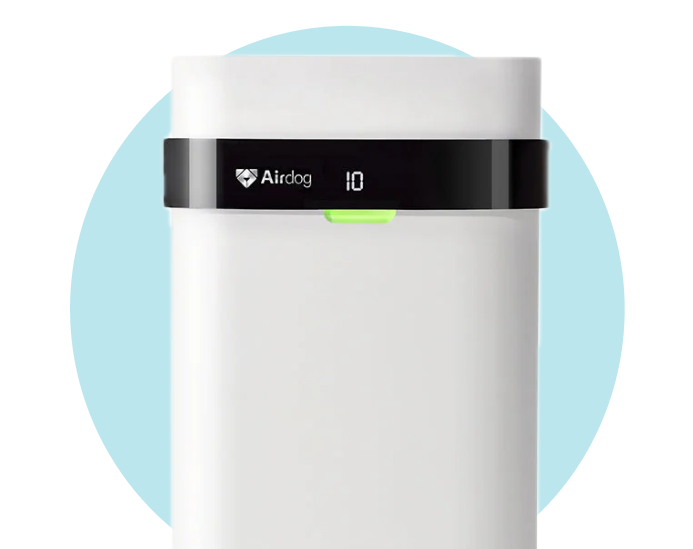
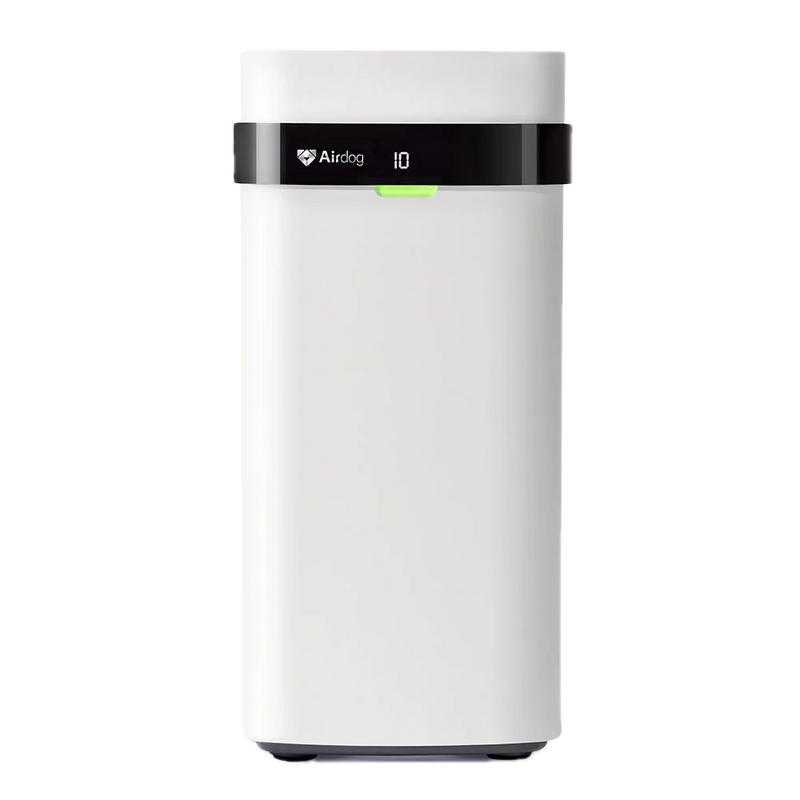
While most purifiers still rely on disposable filters, Airdog takes a completely different approach. Instead of trapping pollutants in single-use HEPA or carbon layers, Airdog’s Two-pole Active Filtration Technology® (TPA) generates a high-voltage, electrostatic field that destroys 99.9% of bacteria and viruses.
Here’s how it stands out:
-
No replacement filters: Airdog’s reusable collection plates can be cleaned with water, meaning zero filter waste.
-
Captures ultrafine particles: Its ionic field removes pollutants down to 0.0146 microns, even smaller than what standard HEPA filters can capture.
-
Long-term savings: No ongoing filter purchases or landfill contributions.
-
Eco-conscious design: With no consumable filters, it dramatically reduces household waste and long-term environmental impact.
Airdog offers a tangible solution to the recycling dilemma combining cleaner air with a cleaner conscience.
Making Sustainable Choices as a Consumer
Even without a perfect recycling solution, there’s still plenty you can do to support sustainability:
-
Choose longer-lasting purifiers: Look for washable or reusable filter systems like Airdog.
-
Maintain your purifier: Regular cleaning and proper use extend lifespan and reduce waste.
-
Stay informed: Follow local guidelines on waste disposal and recycling options.
-
Advocate for eco-friendly design: Consumer demand pushes manufacturers to innovate responsibly.
Every small step contributes to a bigger impact and choosing a sustainable air purifier is one of the easiest ways to start.
Final Thoughts: Are Air Purifier Filters Recyclable?
So, are air purifier filters recyclable?
In most cases, not through standard recycling programs. The mix of materials and contamination from captured particles makes it difficult for traditional facilities to process them safely.
But that doesn’t mean sustainability and clean air can’t coexist. With growing interest in reusable and washable filter technology, (and systems like Airdog leading the way), we’re entering a new era of cleaner, greener air purification.
By making informed choices and supporting brands committed to innovation, you can breathe easier knowing your efforts benefit both your home and the planet.