

With families spending more time indoors than ever, the quality of the air circulating through your home has become a crucial part of maintaining a healthy environment.
Air purifiers work quietly in the background to remove dust, pollen, smoke, pet dander, and microscopic pollutants — but they can only perform effectively if they’re properly maintained. Like any appliance, air purifiers require routine care to stay in top condition.
This guide explains why maintenance matters, the components that require your attention, and a schedule that makes upkeep simple and manageable. If maintaining one more household device feels overwhelming, don’t worry — we’ll make it easy.
Why Regular Air Purifier Maintenance Matters
Maintaining your air purifier is not just about prolonging its lifespan; it's about ensuring the health and well-being of your family. Air purifiers play a pivotal role in trapping and eliminating various pollutants that compromise indoor air quality. Regular maintenance ensures these devices operate at peak efficiency, providing your home with clean, breathable air. Here's why it's crucial:
-
Optimal Performance: Without regular cleaning and filter replacement, air purifiers can't perform at their best. A well-maintained purifier means the air in your home stays cleaner and fresher.
-
Extended Device Lifespan: Regular maintenance can significantly extend the life of your air purifier, making it a worthwhile investment for your home.
-
Health Benefits: For families, pet owners, and individuals with allergies or respiratory issues, an efficiently running air purifier can make a noticeable difference in the quality of life.
Our homes should be sanctuaries where health and cleanliness reign supreme. Understanding and implementing a solid maintenance routine for your air purifier is a step towards achieving this ideal.
Understanding Air Purifier Types
1. Traditional HEPA & Carbon Filter Units
These purifiers rely on:
-
Pre-Filters: Capture large particles like dust and hair.
-
HEPA Filters: Trap microscopic particles down to 0.3 microns.
-
Activated Carbon Filters: Remove odors, smoke, and VOCs.
Maintenance: Filters must be cleaned or replaced regularly, depending on manufacturer guidelines.
2. Filterless Air Purifiers (e.g., Airdog)
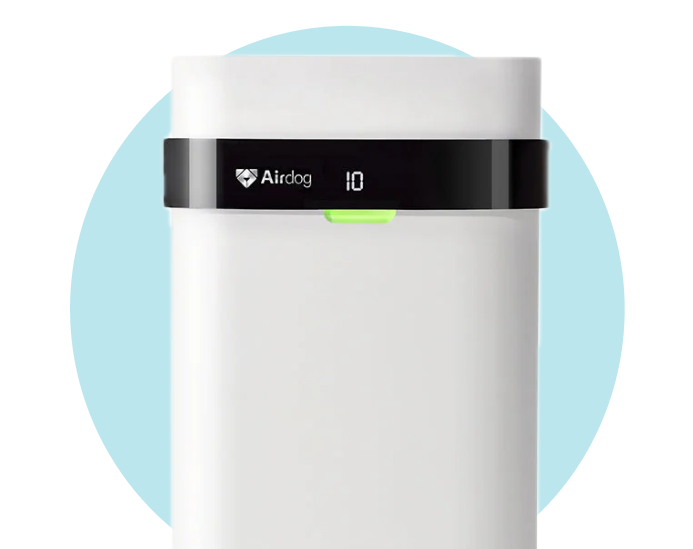
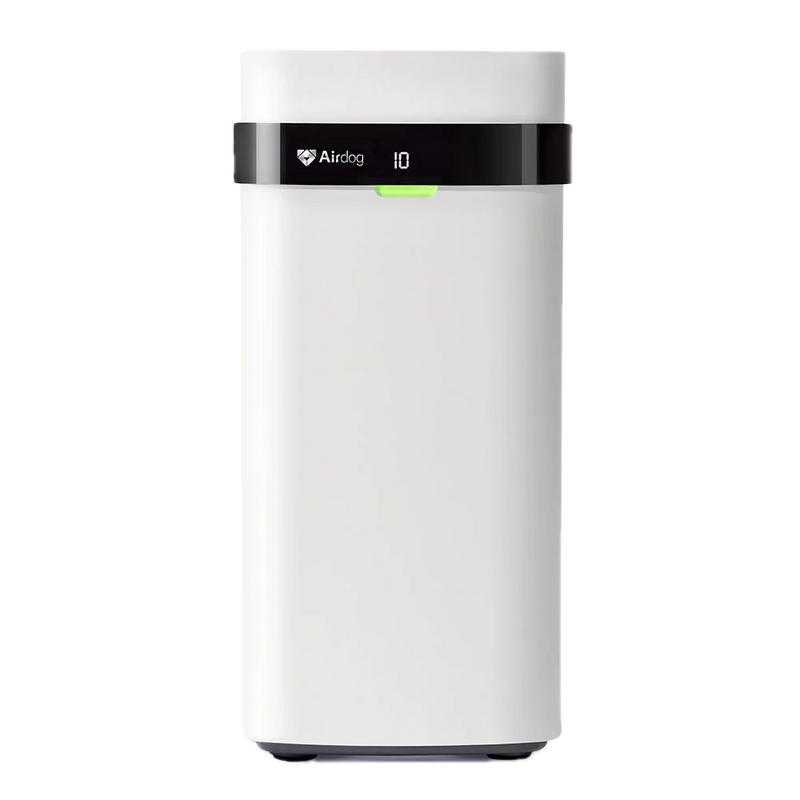
These units use charged collection plates instead of disposable filters to capture particles—including fine dust, pollen, and microbes.
Benefits:
-
No recurring filter replacements
-
Washable and reusable plates
-
Low-maintenance design, ideal for busy households
Maintenance: Typically involves:
-
Periodically washing the plates (every 2–6 weeks depending on air quality)
-
Wiping down the exterior and vents
-
Checking sensors and fan function
This type of purifier is especially cost-effective long-term and environmentally friendly, as it reduces waste from disposable filters.
Routine Maintenance Schedule
Creating a proactive air purifier maintenance schedule is crucial for ensuring the longevity and effectiveness of your air purifier. Here’s a suggested schedule that applies to both traditional and filterless air purifiers:
Daily and Weekly Checks
-
Exterior Cleanliness: Daily, wipe the exterior of your air purifier with a soft, dry cloth to prevent dust build-up. This simple step helps maintain the aesthetic appeal of the device and ensures that air intake and outlet vents remain unobstructed.
-
Air Vents: Weekly, inspect the air vents for any blockages. Use a vacuum with a brush attachment to gently remove dust or debris. This prevents the air purifier from working harder than necessary, which can lead to premature wear.
Monthly Filter Checks
-
HEPA/Carbon units: Inspect these filters for any visible signs of wear or heavy soiling. While these filters cannot be washed, gently vacuuming the surface can extend their life.
-
Filterless Units: Check collection plates; rinse if dirty.
Every 3-6 Months
-
HEPA/Carbon units: Replace filters as recommended
-
Filterless units: Deep clean collection plates according to manufacturer instructions
-
Check and clean the interior, fan, and sensors
Tip: Set digital reminders to stay on schedule. Regular maintenance prevents reduced airflow, noise issues, and odors.
Step-by-Step Guide Cleaning Guide
Maintaining your air purifier through regular cleaning and timely filter replacement ensures its efficiency and longevity. This guide walks you through the essential steps to clean reusable filters and replace disposable ones safely.
For Traditional Hepa & Carbon Units
-
Unplug the device
-
Remove and vacuum pre-filters
-
Inspect HEPA and carbon filters; replace if heavily soiled
-
Wipe interior surfaces gently
For Filterless Units
-
Unplug the purifier
-
Remove collection plates
-
Rinse under lukewarm water; avoid harsh detergents
-
Air-dry completely before reinserting
-
Wipe the exterior and vents
Safety Note: Always consult your user manual before cleaning to avoid voiding warranties or damaging components.
Troubleshooting Common Air Purifier Issues
Routine maintenance of air purifiers is crucial to prevent common issues that can arise, impacting the device's efficiency and the quality of air in your home.
Reduced Airflow
-
HEPA & Carbon Units: Check filters for clogging
-
Filterless Units: Check plates for dust buildup
Increased Noise
-
HEPA & Carbon Units: Replace/clean filters
-
Filterless Units: Clean plates and inspect fan
Unpleasant Odors
-
HEPA & Carbon Units: Replace carbon filter
-
Filterless Units: Wash plates thoroughly
Regular maintenance prevents these problems and ensures efficient, long-lasting performance.
Advanced Tips & Best Practices
Maintaining an air purifier is not just about following the manual. It involves employing innovative strategies that enhance its efficiency and prolong its lifespan.
Utilizing Vacuum Attachments for External Cleaning
-
Gentle Dust Removal: Employ vacuum attachments, specifically the soft brush accessory, to gently remove dust and debris from the exterior vents and casing. This method prevents the pushing of dirt deeper into the device, which can occur with traditional dusting.
-
Frequency: Conduct this type of cleaning bi-weekly to prevent the build-up of pollutants on the air purifier’s external surfaces, ensuring it operates efficiently.
Benefits of Natural Cleaning Agents
-
Non-toxic Cleaning: Opt for natural cleaning agents like white vinegar or a mixture of water and baking soda for wiping down the air purifier's exterior. These solutions effectively clean without leaving harmful residues that could be re-circulated into your home environment.
-
Environmental Impact: Besides being safer for household use, natural cleaning agents reduce the demand for chemical-based cleaners, aligning with eco-friendly practices.
Optimal Placement
-
Away from Sunlight and Humidity: Position your air purifier in areas away from direct sunlight and high humidity. Excessive heat can degrade the components over time, while moisture can affect the filter's ability to trap pollutants.
-
Consider Room Dynamics: Placing the air purifier in a location where air circulates freely, such as the center of a room or on a slightly elevated surface, maximizes its purifying capabilities.
By adopting these innovative maintenance tips and best practices, you not only ensure that your air purifier remains in top working condition but also contributes to a healthier indoor environment. Regular upkeep, combined with strategic approaches to cleaning and placement, can significantly boost the performance of your air purifier, making it a reliable ally in maintaining clean air in your home
The Bottom Line
Maintaining your air purifier—whether a traditional HEPA unit or a filterless purifier like Airdog—is essential for:
-
Clean, breathable air
-
Longer-lasting performance
-
Reduced costs and waste
-
Improved health and comfort
By following a regular maintenance schedule, you ensure that your home’s air stays fresh, your device runs efficiently, and you maximize your investment. For an easy, low-maintenance option, Airdog’s filterless purifiers offer washable plates and powerful performance, making clean air simple and sustainable.