

Have you ever walked into a room and felt instantly uncomfortable because the air was stale and heavy? That “stuffy room” feeling is incredibly common, especially in spaces with poor ventilation, high humidity, pets, or during peak allergy season.
If you’re searching for an air purifier for a stuffy room, you’re already on the right track. Air purifiers can help reduce airborne particles, odors, and common irritants that make a room feel stale or hard to breathe in. But with so many models on the market, choosing the right one can feel overwhelming.
This guide breaks down what actually matters when picking an air purifier, how to avoid misleading marketing claims, and how to get the best results once you bring one home.
Ready to make your room feel fresh again? Let’s get into it.
Understanding Air Purifiers (and Why Stuffy Rooms Need Them)
How Air Purifiers Work
Air purifiers improve indoor air quality by pulling air in, filtering it, and circulating cleaner air back into the room. Most models use a multi-stage filtration system designed to capture particles like:
-
Dust
-
Pollen
-
Pet dander
-
Smoke particles
-
Other common airborne irritants
For most homes, a True HEPA filter is the gold standard because it’s designed to capture extremely small particles, often as small as 0.3 microns.
If your room feels stuffy because of allergens, dust buildup, or lingering odors, the right air purifier can make a noticeable difference within hours.
The Significance of CADR Ratings
One of the most important specs to understand when choosing an air purifier for a stuffy room is CADR, which stands for Clean Air Delivery Rate.
CADR tells you how quickly an air purifier can filter air, especially for:
-
Smoke
-
Dust
-
Pollen
Why CADR Matters:
In general, a higher CADR means the purifier can clean the air faster, which is especially helpful in rooms that feel stale or trapped.
Watch for Misleading Claims
Some brands overstate performance or list CADR ratings that don’t match real-world results. The safest approach is to cross-check:
-
Verified reviews
-
Independent testing
-
Trusted publications
Health Benefits of Using Air Purifiers
Using an air purifier isn’t just about helping find comfort for a stuffy room, it can support better health too.
Potential benefits include:
-
Fewer Allergy Symptoms: By filtering out pollen, dust mites, and pet dander, air purifiers can significantly mitigate allergy symptoms. Individuals sensitive to these allergens often experience immediate relief in a purified environment.
-
Lower Risk of Respiratory Issues: Long-term exposure to indoor air pollutants not only exacerbates allergies but can also lead to more severe respiratory conditions, including asthma. Air purifiers help in reducing the concentration of these airborne pollutants, offering a safeguard against potential respiratory health issues.
-
Improved Overall Well-being: Clean air is synonymous with better health. Sleeping in a room with purified air can improve sleep quality, reduce snoring, and promote a general sense of well-being. The benefits extend beyond physical health, influencing mood and cognitive function positively.
A stuffy room often means pollutants are lingering in the air longer than they should. Air purification helps break that cycle.
What to Avoid When Buying an Air Purifier
Buying the wrong model can leave you with a room that still feels stale—even if the purifier is running 24/7.
Over-relying on CADR Alone
CADR is important, but it’s not everything. Also consider:
-
Room size coverage
-
Air changes per hour (ACH)
-
Filter quality and cost
Types of Filters
Air purifiers utilize various filters to clean the air, each targeting different pollutants. Knowing the types of filters used in an air purifier is crucial for addressing the specific needs of your indoor environment.
-
HEPA Filters: These are the gold standard for filtering out particles. True HEPA filters can capture 99.97% of particles as small as 0.3 microns, including dust, pollen, and pet dander.
-
Activated Carbon Filters: Best for removing odors, gases, and VOCs, activated carbon filters absorb pollutants through a process of adsorption.
-
Pre-Filters: Often washable, these capture larger particles, extending the life of the HEPA and activated carbon filters.
Avoid air purifiers that do not specify the type of filters used or claim to use "HEPA-like" filters, which may not offer the same level of purification as true HEPA filters.
Overpaying for Gimmicks
Some features are nice, but not necessary for clean air:
-
Fancy lighting
-
Extra modes you’ll never use
-
App features that inflate price without improving filtration
Vague Marketing Claims
Be cautious of phrases like:
-
“Removes all toxins”
-
“Purifies everything”
Look for specifics and third-party credibility.
Expert Tips to Make an Air Purifier Work Better in a Stuffy Room
Even the best air purifier won’t help much if it’s placed poorly or maintained inconsistently.
Place It Where Air Can Flow
The location of your air purifier within a room can significantly impact its effectiveness. To ensure efficient air circulation:
-
Avoid Corners and Obstructions: Place the air purifier in a location where air can circulate freely around it. Avoid corners and keep it away from furniture that can block airflow.
-
Elevate the Purifier: If possible, elevate the air purifier on a stand to help distribute clean air more evenly throughout the room.
-
Proximity to Pollutant Sources: For rooms with specific pollutant sources (e.g., a kitchen or pet area), position the air purifier closer to these areas to target and eliminate pollutants more effectively.
Keep Up With Filter Maintenance
An air purifier's filters are its most crucial components, trapping the particles that contribute to a stuffy room environment. To maintain peak performance:
-
Adhere to Filter Replacement Schedules: Each air purifier has manufacturer-recommended schedules for filter replacement. Follow these diligently to ensure your device operates at its best.
-
Regular Cleaning: Beyond replacing filters, clean the exterior and any pre-filters as per the manufacturer's instructions. This helps maintain airflow and overall efficiency.
-
Monitor Air Quality: Use built-in air quality sensors or a standalone air quality monitor to assess the purifier's performance and understand when maintenance is due.
Choosing the Right Size Purifier
Selecting an air purifier that matches the room's dimensions is crucial for effective air cleaning:
-
Calculate Room Size: Measure your room's dimensions to determine its square footage. Match this with the purifier's recommended coverage area.
-
Consider Ceiling Height: For rooms with high ceilings, opt for a model designed for a larger space to compensate for the increased volume of air.
-
Air Changes per Hour (ACH): For stuffy rooms, a higher ACH rating indicates more frequent air filtration and purification, contributing to fresher air.
Pair It With Better Ventilation (When Possible)
Air purifiers filter air—but they don’t add oxygen. If the room feels stuffy from trapped air:
-
Open Windows: Whenever outdoor air quality permits, open windows to allow fresh air to circulate and dilute indoor pollutants.
-
Minimize Pollution Sources: Identify and reduce indoor pollution sources. This includes using cooking vents, avoiding smoking indoors, and choosing low-VOC products for cleaning and decorating.
-
Use Exhaust Fans: In areas like bathrooms and kitchens, use exhaust fans to remove pollutants directly from the room, reducing the load on your air purifier.
The Practical Takeaway for Stuffy Rooms
The best air purifier for a stuffy room is one that fits your room size, has strong filtration, and is easy to maintain. When your purifier can cycle the air efficiently and you keep up with filter maintenance, that heavy “stale air” feeling can improve dramatically.
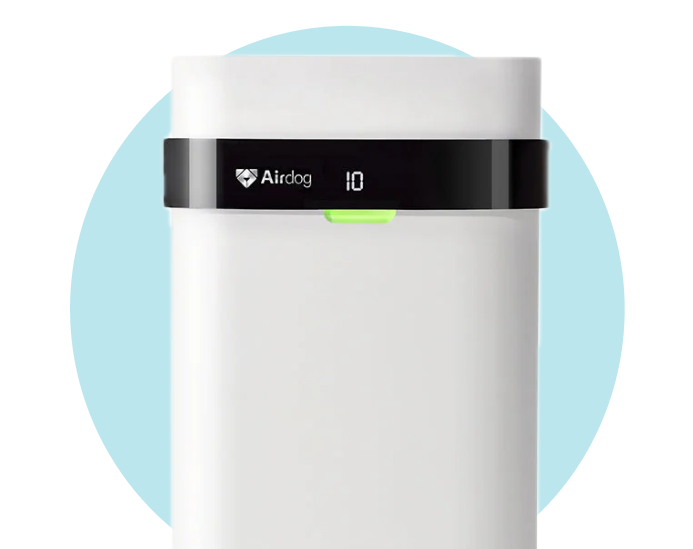
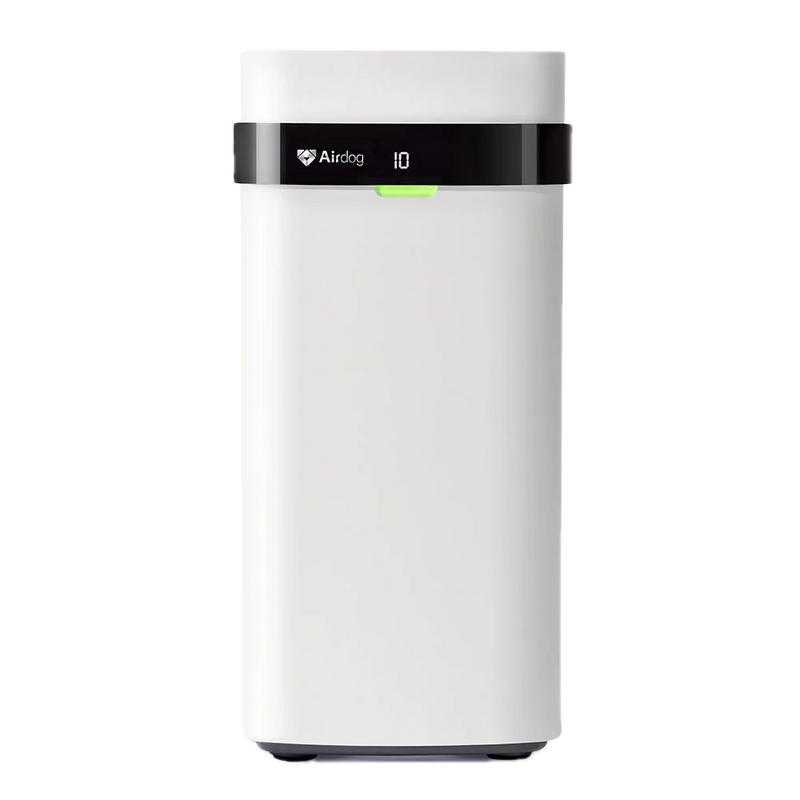
And if you’re looking for a purifier that’s designed to support clean indoor air without feeling bulky or overly complicated, Airdog is worth considering. Its washable filter approach can be especially appealing for households that want consistent performance without constantly replacing filters making it easier to keep your room feeling fresh long-term.