

As awareness of indoor air quality continues to grow, many homeowners find themselves asking an important question: should air purifiers run 24/7? Air purifiers play a critical role in removing airborne pollutants like dust, pollen, smoke, pet dander, and volatile organic compounds (VOCs). But understanding how often they should run—and at what cost—can feel less straightforward.
The answer isn’t one-size-fits-all. It depends on your air quality needs, health considerations, energy usage, and the type of air purifier you own. This guide breaks down the science, benefits, drawbacks, and practical considerations to help you decide what’s best for your home.
How Air Purifiers Work
Air purifiers operate on a simple yet effective principle: they pull in air from the surrounding environment, filter out pollutants, and circulate clean air back into the room. This process targets a wide range of airborne particles, including dust, pollen, smoke, and pet dander, which are common in most households.
-
Filtration Technology: The core of an air purifier's functionality lies in its filtration system, which can include HEPA filters, activated carbon, or UV light. Each type targets specific pollutants, from microscopic allergens to harmful chemical vapors.
-
Cycle of Air Purification: As air cycles through the purifier, it undergoes several stages of filtration, each designed to capture or neutralize different types of contaminants.
This process repeats continuously as long as the unit is running. Once an air purifier turns off, airborne particles begin to accumulate again through everyday activities, outdoor air infiltration, and indoor pollutant sources.
Why Some People Run Air Purifiers 24/7
The case for continuous operation comes down to how indoor air behaves.
-
Quick Recurrence of Pollutants: Indoor environments continually accumulate pollutants from various sources like outdoor air, household products, and human activities. Without constant filtration, air quality can deteriorate rapidly.
-
Air Changes Per Hour (ACH): This metric indicates how many times an air purifier can filter the total volume of air in a room each hour. A higher ACH rating means more frequent air exchanges, contributing to cleaner air. Continuous operation maximizes ACH, maintaining a consistent level of air purity.
-
Consistency Matters: For people with allergies, asthma, or respiratory sensitivities, even short gaps in filtration can lead to symptom flare-ups. Continuous operation keeps air quality stable rather than reactive.
Benefits of Running an Air Purifier 24/7
The continuous operation of air purifiers presents a compelling array of benefits, significantly impacting health and wellness within the indoor environment. By delving into these advantages, it becomes evident why many opt to keep their air purifiers running round the clock.
Continuous Removal of Airborne Pollutants
The primary function of air purifiers—eliminating airborne pollutants—gains enhanced effectiveness with continuous operation. This constant filtration cycle ensures that air quality within a space remains at optimal levels, offering several key benefits:
-
Reduction in Dust and Pollen: These common allergens, when consistently removed, can dramatically improve the living environment, particularly for those with allergies.
-
Elimination of Smoke and Odors: Continuous operation helps in maintaining a neutral smell in the home, removing cooking odors, cigarette smoke, and other volatile organic compounds effectively.
-
Control of Pet Dander: For households with pets, round-the-clock air purification can be a game-changer, significantly reducing pet-related allergens in the air.
Better Sleep Quality
Clean air doesn't just benefit our respiratory systems; it plays a crucial role in enhancing sleep quality as well. A few points to consider include:
-
Reduced Allergens Lead to Fewer Disruptions: By minimizing exposure to allergens such as pollen and pet dander, individuals often experience fewer symptoms like sneezing and congestion, leading to more restful sleep.
-
Creation of a Soothing Environment: The sound of an air purifier can serve as white noise for many individuals, offering an auditory backdrop conducive to sleep.
-
Optimal Humidity Levels: Certain air purifiers also maintain or improve humidity levels, preventing air from becoming too dry or moist, which can further enhance sleep quality.
Long-term Health Benefits
The long-term health benefits of continuous air purification include:
-
Decreased Exposure to Harmful Particles: Constant filtration of the air reduces the overall load of harmful particles, including fine dust and potential pathogens, thereby lowering the risk of respiratory problems.
-
Support for Respiratory Conditions: Individuals with asthma or other respiratory conditions benefit from the consistent removal of triggers from the indoor air, potentially reducing the frequency and severity of symptoms.
-
Contribution to Cardiovascular Health: Emerging research suggests that long-term exposure to certain air pollutants can adversely affect cardiovascular health. By keeping these pollutants at bay, air purifiers may indirectly support heart health.
The decision to keep air purifiers running 24/7 hinges on a balance of factors, including the need for clean air, energy consumption, and maintenance requirements. However, the benefits, ranging from immediate impacts like improved sleep quality to long-term health advantages, present a strong case for continuous operation. By prioritizing air quality, individuals can create healthier, more comfortable living environments that support well-being now and into the future.
Downsides of Running an Air Purifier 24/7
While there are clear benefits, continuous use does come with trade-offs.
Increased Energy Consumption
Running an air purifier non-stop can lead to a noticeable increase in your energy bill. Key points on energy consumption include:
-
Higher Utility Bills: Continuous use can translate into higher electricity bills. Although many modern air purifiers are designed with energy efficiency in mind, 24/7 operation inevitably increases energy use.
-
Energy Efficiency Ratings: Energy-efficient models help reduce this impact, but some increase in utility costs is unavoidable.
Frequent Filter Replacements
The heart of an air purifier's functionality lies in its filters, which trap pollutants and allergens. However, constant operation accelerates the wear and tear on these filters, leading to more frequent replacements or maintenance:
-
Cost Implications: Regular replacement of filters represents an ongoing cost that can add up over time. This is particularly true for units that require specialized filters.
-
Environmental Considerations: Increased consumption of filters also raises environmental concerns regarding the disposal of used filters.
Potential for Reduced Lifespan
Another critical aspect to consider is the impact of continuous use on the air purifier's lifespan. Constant operation can strain the unit's components, potentially leading to:
-
Wear and Tear: Continuous use puts constant stress on the air purifier's motor and other mechanical parts, which might accelerate wear and tear, reducing the device's overall lifespan.
-
Maintenance and Repair Costs: Over time, the need for repairs may increase, adding to the total cost of ownership.
Balancing Act
Ultimately, the choice to keep air purifiers running round the clock hinges on individual circumstances, including household air quality needs, budget constraints, and personal health concerns. By understanding the nuances of energy consumption, maintenance requirements, and the potential for wear and tear, individuals can make informed decisions that best suit their lifestyle and wellness goals.
How to Use an Air Purifier More Efficiently
Choose the Right Size Air Purifier
Selecting an air purifier that matches the size of your space is crucial for efficiency. An undersized purifier will work harder and use more energy to clean the air in a large room, while an oversized purifier may consume unnecessary power in a small space.
-
Measure Your Room: Before purchasing, calculate the square footage of the room where you'll use the purifier.
-
Check the CADR Rating: Look for the Clean Air Delivery Rate (CADR) that matches or exceeds your room's square footage.
-
Consider Room Height: For rooms with high ceilings, opt for a purifier with a higher capacity to account for the additional air volume.
Utilizing Timers and Smart Features
Making use of timers and smart features can significantly enhance the efficiency of air purifiers by ensuring they run only when needed.
-
Timers: Set your purifier to run during peak hours or while the room is in use. This strategy prevents unnecessary operation, reducing energy consumption.
-
Smart Air Purifiers: Some models can adjust their settings based on air quality readings, ensuring they operate at optimal levels without manual adjustment.
-
Remote Control: Use apps or remote controls to adjust settings or turn the purifier off when you're not at home.
Improving Home Ventilation
Enhancing natural ventilation in your home can reduce the need for continuous air purification and complement the work of your air purifier.
-
Open Windows: Whenever outside air quality permits, open windows to let fresh air circulate and dilute indoor pollutants.
-
Use Exhaust Fans: In areas like kitchens and bathrooms, use exhaust fans to remove pollutants directly at the source.
-
Consider Air Flow: Arrange furniture and decorations to promote good air circulation throughout your home.
Stay on Top of Maintenance
Keeping your air purifier well-maintained is key to its efficiency and longevity, whether it runs continuously or not.
-
Regular Filter Upkeep: Follow the manufacturer's guidelines for filter upkeep to ensure your air purifier functions at its best.
-
Clean Sensors and Pre-Filters: Dust off sensors and clean or replace pre-filters as needed to maintain accurate air quality monitoring and efficient operation.
-
Inspect and Clean the Exterior: Keeping the unit clean from dust and debris helps maintain optimal airflow and performance.
Integrating Other Air Quality Improvement Measures
Using air purifiers in conjunction with other air quality improvement measures can provide a holistic approach to maintaining a healthy indoor environment.
-
Houseplants: Some plants are known for their air-purifying qualities and can complement the work of air purifiers.
-
Reduce Pollutant Sources: Identify and reduce or eliminate sources of indoor pollution, such as tobacco smoke, volatile organic compounds (VOCs) from paints and solvents, and particulate matter from burning candles.
-
Humidity Control: Maintain indoor humidity levels between 30% and 50% to inhibit the growth of mold and dust mites.
By following these practical tips, you can use your air purifier more efficiently without having to run it non-stop.
Navigating the Decision: To Run or Not to Run 24/7?
So, should air purifiers run 24/7? For many households, the answer is yes—especially when maintaining consistent air quality is a priority. Continuous operation helps prevent pollutant buildup and supports healthier indoor air, but energy use, maintenance, and device design all matter.
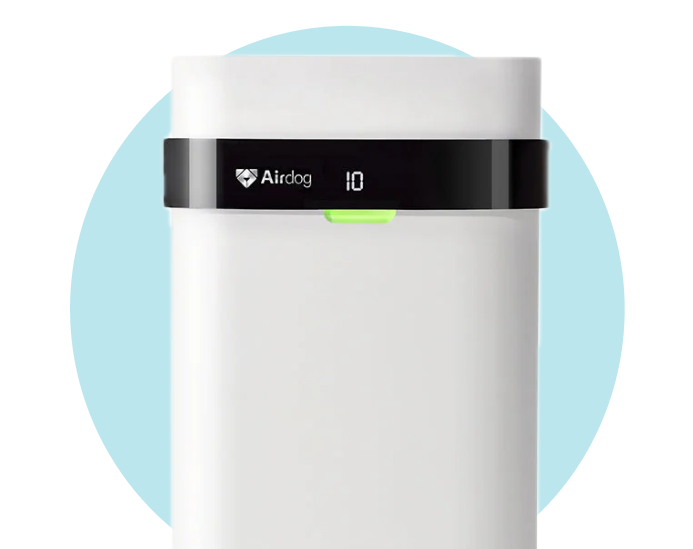
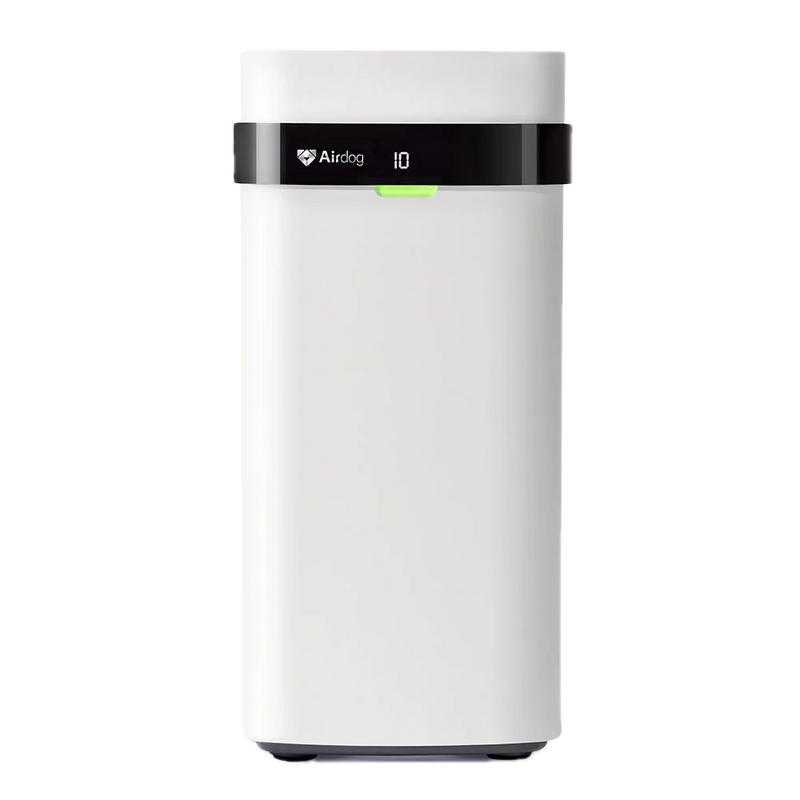
That’s where choosing the right air purifier becomes critical. Systems like Airdog’s washable-filter air purifiers are designed for continuous use without the recurring cost and waste of traditional filter replacements. By capturing pollutants without disposable filters, Airdog makes it easier to run your purifier longer while keeping maintenance simple and operating costs predictable.
Whether you choose to run your air purifier all day or strategically, the goal remains the same: cleaner air, better comfort, and long-term peace of mind. With the right technology and usage strategy, maintaining healthy indoor air doesn’t have to be complicated.