

Have you ever walked into a room and been hit with that damp, musty smell that lingers no matter how much you clean? Musty odors are common in basements, older homes, and moisture-prone spaces, and they often point to deeper air quality issues like excess humidity or mold spores in the air.
If you are searching for an air purifier to help with musty smell, the good news is that the right setup can make a noticeable difference. Understanding what causes musty odors and how air purifiers help is key to choosing an effective solution.
What Causes Musty Smells Indoors?
Musty odors usually develop when moisture and poor ventilation create the right environment for odor-causing particles to build up. Common contributors include:
- Mold and mildew spores released into the air
- Excess humidity in basements, bathrooms, and laundry rooms
- Dust and organic particles that absorb and hold odors
- Stale air caused by limited airflow
While cleaning surfaces helps, musty smells often persist because the particles responsible remain airborne.
Can an Air Purifier Help With Musty Smells?
Yes, an air purifier can help reduce musty smells, but only if it addresses the right pollutants.
Air purifiers work by continuously pulling air through a filtration system that captures airborne particles and odor-causing compounds. Over time, this process helps reduce the concentration of mold spores, dust, and other contaminants that contribute to stale, damp-smelling air.
That said, air purifiers work best as part of a broader approach, not as a standalone fix for moisture problems.
What to Look for in an Air Purifier for Musty Smell
Not all air purifiers are equally effective against musty odors. The most helpful features include:
- Particle Capture: Removing mold spores and fine dust is essential, since these particles often carry or worsen odors.
- Odor Reduction Support: Some systems include components designed to help reduce smells rather than simply mask them.
- Room Coverage: The purifier should be sized appropriately for the space. Units that are too small will struggle to keep up in damp areas like basements.
- Continuous Operation: Musty odors tend to return when air circulation stops, so purifiers designed for consistent use are more effective.
Placement and Maintenance Tips
Even a high-performing air purifier will underdeliver if it is placed incorrectly or poorly maintained.
For best results:
- Place the unit close to the source of dampness or odor
- Keep airflow unobstructed
- Clean or maintain collection components as recommended
- Run the purifier consistently, especially in problem areas
- Regular upkeep ensures the purifier continues capturing odor-related particles instead of recirculating them.
Complementary Strategies
While air purifiers stand at the frontline in the battle against musty smells, integrating additional strategies enhances their effectiveness and ensures a comprehensive approach to maintaining a fresh, healthy home environment.
Addressing Humidity with Dehumidifiers
High humidity levels provide a breeding ground for mold and mildew, which are primary contributors to musty smells in homes. Integrating dehumidifiers into your home care routine can significantly reduce excess moisture, thus preventing the growth of these unwanted guests.
- Ideal Humidity Levels: Maintain indoor humidity levels between 30% and 50% to inhibit mold growth.
- Strategic Placement: Position dehumidifiers in areas prone to dampness, such as basements, laundry rooms, and bathrooms.
- Regular Maintenance: Empty and clean dehumidifier tanks regularly to prevent mold growth within the unit itself.
Improving Ventilation
Proper ventilation is crucial for diluting and removing indoor air pollutants, including those musty odors that can pervade a home. Enhancing airflow can be achieved through both natural and mechanical means.
- Open Windows: Whenever weather permits, open windows to allow fresh air to circulate and flush out indoor pollutants.
- Use Exhaust Fans: Install and use exhaust fans in bathrooms and kitchens to expel humid air and odors directly outdoors.
- Consider Air Exchangers: For homes with poor natural ventilation, an air exchanger can introduce fresh outdoor air while expelling stale indoor air.
Identifying and Remedying Sources of Water Leaks or Dampness
Persistent musty smells often indicate underlying issues with water intrusion or dampness. Identifying and addressing these problems not only eliminates the source of musty odors but also prevents potential structural damage and health issues related to mold exposure.
- Inspect Regularly: Conduct regular inspections of your home for signs of leaks, condensation, or dampness, particularly in basements, attics, and around windows.
- Repair Leaks Promptly: Fix any identified leaks immediately to prevent water damage and mold growth.
- Improve Drainage: Ensure that your home's exterior drainage systems, such as gutters and downspouts, are clean and functional to prevent water from accumulating around the foundation.
A Practical Approach to Fresher Indoor Air
The ultimate goal in combating musty smells is to create an indoor environment that is unwelcoming to mold, mildew, and other odor-causing elements. The Good Housekeeping guide on odor eliminators emphasizes the synergy achieved when combining air purifiers with other strategies like using dehumidifiers and improving ventilation. This multi-faceted approach ensures not only the removal of existing odors but also the prevention of future odor issues.
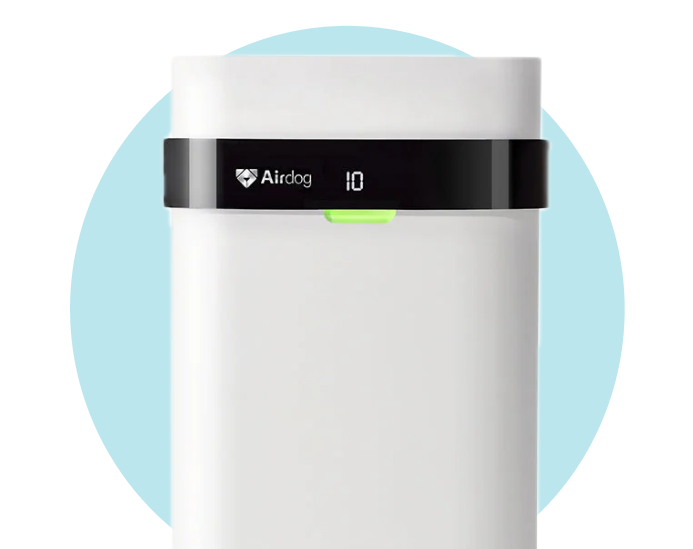
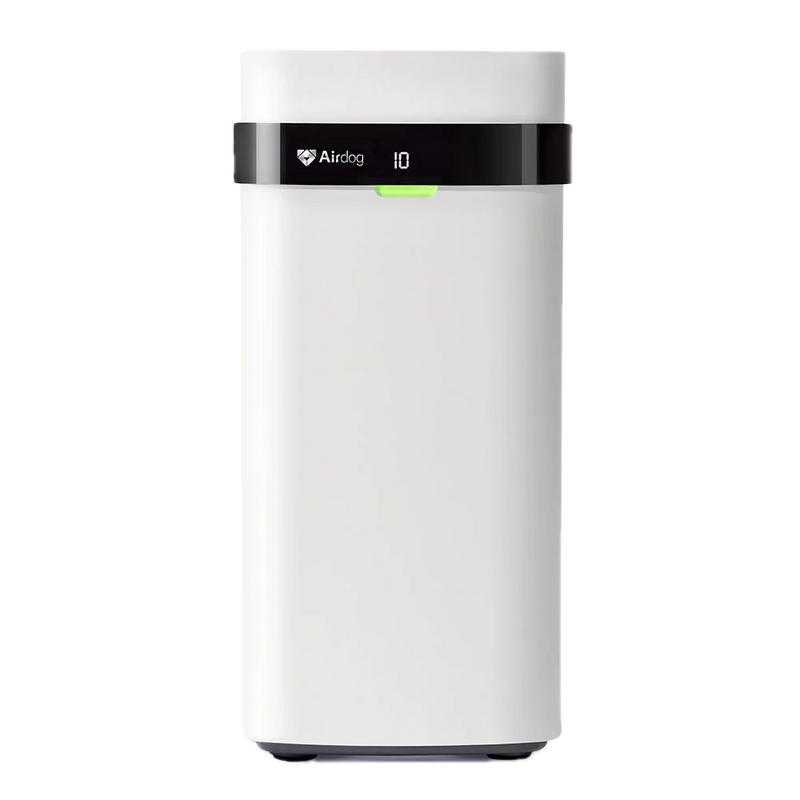
For anyone looking to reduce musty odors without constantly replacing disposable filters, options like Airdog focus on capturing fine airborne particles that contribute to stale air and odor buildup. Used alongside humidity control and proper ventilation, an air purifier can support a cleaner-smelling, more comfortable living environment over time.
Bringing It All Together
If you are dealing with persistent musty smells, an air purifier can absolutely be part of the solution. By reducing airborne particles linked to mold, dust, and damp odors, the right purifier like Airdog, helps freshen indoor air and improve overall comfort.
The most effective results come from pairing air purification with moisture control and routine home maintenance. Together, these steps create an environment where musty smells are less likely to return and clean air becomes easier to maintain.


![[VIP] Airdog Battery-Operated Portable Fan](http://airdogusa.com/cdn/shop/products/025dccd88766b80ffad037e08fc7121_small.jpg?v=1686731795)