

Indoor air can contain more pollutants than many people realize, including dust, allergens, smoke particles, and odors. Because most of us spend the majority of our time indoors, knowing how to use an air purifier correctly is just as important as choosing the right one. When used properly, an air purifier can noticeably improve air quality and overall comfort in your home.
This guide walks through how air purifiers work, where to place them, how long to run them, and how to maintain them for consistent results.
How Air Purifiers Work
Air purifiers clean indoor air by pulling it through a filtration system that captures airborne particles before releasing cleaner air back into the room. Different technologies target different pollutants.
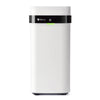
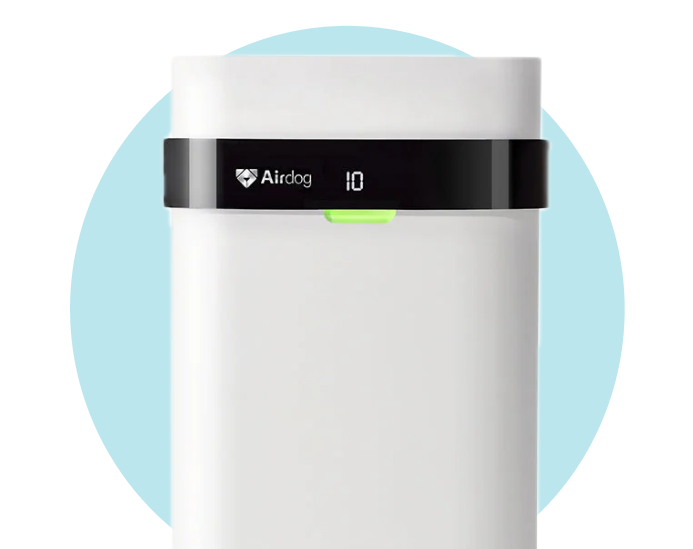
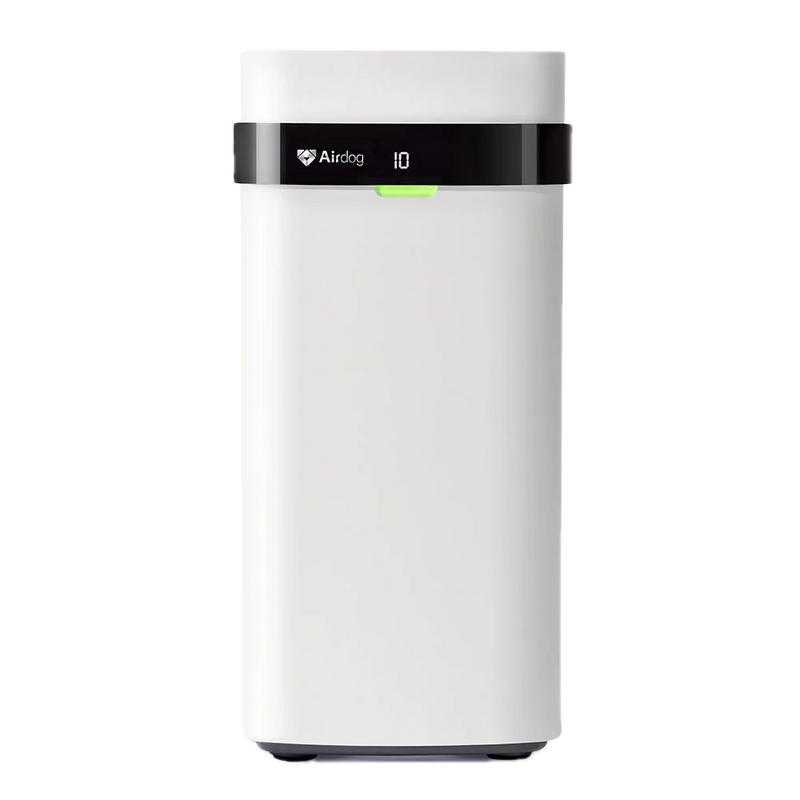
Many traditional air purifiers rely on HEPA filters to trap dust, pollen, pet dander, and other fine particles. Others include activated carbon to help reduce odors and gases. Some systems, including Airdog, use washable filters to capture airborne particles without disposable filters. Regardless of the technology, the goal is the same: reduce irritants that circulate in the air you breathe.
Where to Place an Air Purifier
Placement plays a major role in how well an air purifier performs. For best results:
- Place the purifier in rooms where you spend the most time, such as bedrooms and living areas
- Position it near common pollution sources like pet areas or entry points for outdoor air
- Keep the unit a few feet away from walls or furniture to allow proper airflow
- Avoid corners or tight spaces that restrict circulation
If you are using a purifier in a bedroom, placing it near the bed but not directly against walls often provides better airflow and quieter operation.
How Long to Run an Air Purifier
Air purifiers work best when used consistently. Because new pollutants are constantly introduced through daily activities, running your purifier only occasionally limits its effectiveness.
Many people choose to run their air purifier continuously, especially in homes with allergies, pets, or outdoor pollution concerns. Others rely on auto modes or sensors that adjust operation based on air quality. Modern purifiers are designed for long run times and typically use minimal energy at lower fan speeds.
Maintenance Tips for Best Performance
Proper maintenance keeps your air purifier working efficiently. Depending on the type of purifier:
- Replace disposable filters according to manufacturer guidelines
- Clean washable collection plates or components regularly
- Wipe down exterior vents to prevent dust buildup
- Ensure sensors and air inlets remain unobstructed
Systems like Airdog are designed to reduce ongoing filter replacement by using washable components, but regular cleaning is still essential to maintain performance.
Making Air Purifiers Work for Your Home
Using an air purifier effectively comes down to consistent operation, smart placement, and proper maintenance. When matched to the right room size and used alongside good indoor air habits, an air purifier can significantly reduce airborne particles that impact comfort and air quality.
Whether you choose a traditional filter based system or a washable option like Airdog, the key is understanding how the device fits into your daily environment. With the right setup, an air purifier becomes a simple, reliable way to support cleaner air and a healthier home.