

Have you ever wondered if the air inside your home is as clean as it could be, especially with cats around? For many pet owners, cat hair and dander are constant battles, contributing to allergies, sneezing, and respiratory issues. With 30–40% of people worldwide affected by allergies, finding ways to improve indoor air quality has never been more important. This raises a common question: do air purifiers help with cat hair? Let’s break down how air purifiers work, the technologies available, and practical steps to make a noticeable difference in your home.
How Air Purifiers Work Against Cat Hair and Allergens
Air purifiers are designed to capture airborne particles—including cat hair and dander—before they spread throughout your home. While they won’t remove allergens that have already settled on furniture or carpets, they can significantly reduce what you breathe in.
HEPA Filters: The Gold Standard
High-Efficiency Particulate Air (HEPA) filters are considered the benchmark for air purification.
How HEPA filters capture particles:
-
Direct Impaction: Large particles, like strands of hair, collide with fibers and stick.
-
Interception: Medium-sized particles adhere to fibers as they pass.
-
Diffusion: Tiny particles (like microscopic dander) move erratically and are trapped in the filter.
Why it matters for cat owners:
-
Pet dander ranges from 5–10 microns, which is well within HEPA filters’ capture capabilities.
-
Reduces airborne allergens, which may lessen allergy symptoms and improve indoor air quality.
Comparing Air Purification Technologies
In the search to reduce cat hair and allergens, different air purification technologies offer different strengths. While HEPA filters remain the standard, newer systems provide alternative ways to clean the air—sometimes with added benefits for pet owners.
Activated Carbon Filters
-
Pros: Absorb odors and gases, ideal for litter box smells. Often paired with HEPA for comprehensive purification.
-
Cons: Don’t capture particles effectively; require frequent replacement.
UV-C Light
UV-C light technology targets microorganisms, breaking down their DNA and rendering them harmless.
-
Pros: Destroys bacteria, viruses, and mold spores, supporting a healthier environment.
-
Cons: Doesn’t remove hair or dander. Must be safely enclosed to avoid UV exposure risks.
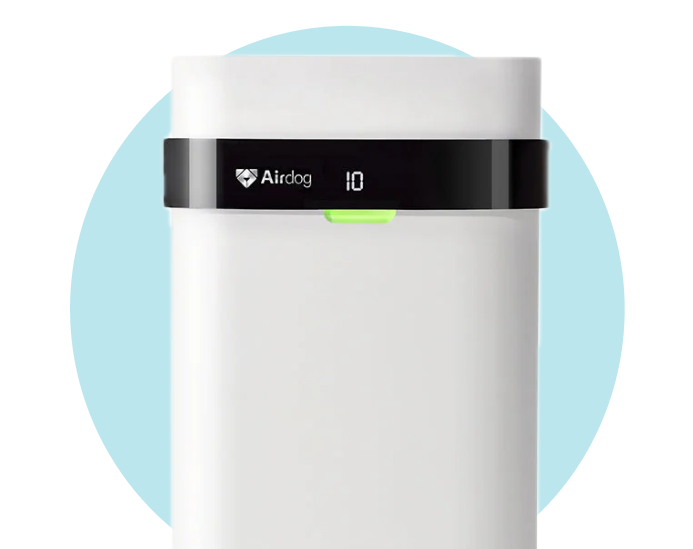
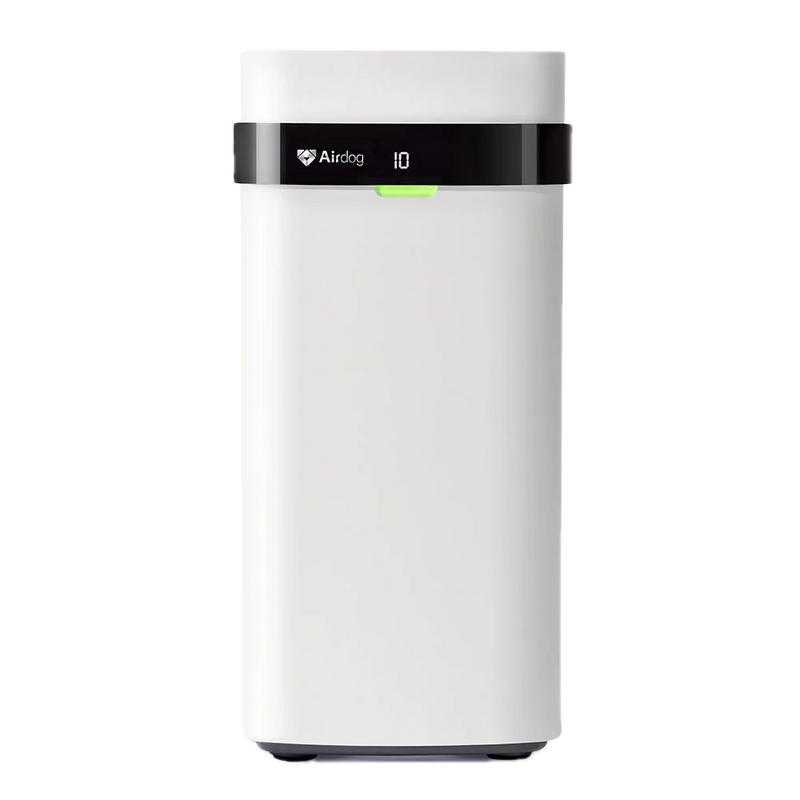
Airdog’s Washable TPA Technology
-
Pros: Captures ultra-fine particles—including dander—beyond standard HEPA capabilities, and the washable collecting plates reduce waste and long-term filter costs.
-
Cons: Requires periodic cleaning of the plates, and the upfront cost is higher than basic HEPA units.
Technologies to Approach with Caution
While ozone generators and ionizers are marketed for their air-cleaning capabilities, they may not be the best choice for allergy sufferers.
-
Ozone generators: Can irritate lungs; ineffective against particles.
-
Ionizers: May produce ozone and cause particles to settle on surfaces rather than remove them.
Practical Tips for Maximizing Air Purifier Efficiency for Cat Owners
Even the best purifier works only if used correctly.
Choosing the Right Air Purifier
Choosing an air purifier that suits your home and effectively manages cat hair and dander requires understanding of room size and filter types.
-
Room Size Considerations: Match the air purifier’s capacity to the room size where your cat spends most of its time. For open-plan areas, you might need a more powerful unit or multiple purifiers.
-
Filter Types: HEPA is essential for dander and pairing with activated carbon can reduce odors. Consider advanced options like Airdog, which uses TPA technology to remove even smaller particles faster and more efficiently than traditional HEPA.
Placement Matters
Positioning air purifiers strategically throughout your home maximizes their efficiency in capturing cat hair and dander.
-
High Traffic Areas: Place air purifiers in rooms where your cat spends considerable time, such as living rooms or bedrooms, to catch more allergens.
-
Near Litter Boxes: Positioning a unit near litter boxes can help control odors and minimize the spread of dander and dust from litter.
-
Elevation Matters: Elevating air purifiers can improve air circulation, ensuring more airborne particles are captured.
Regular Maintenance Practices
Maintaining your air purifier ensures it continues to operate efficiently, providing the best defense against cat hair and dander.
-
Filter Replacement/Cleaning: Follow the manufacturer’s guidelines on filter replacement or cleaning.
-
Cleaning: Regularly clean pre-filters and the exterior of the purifier to prevent dust build-up that can impair airflow and efficiency.
Additional Tips
Beyond air purification, several practices can help minimize the amount of cat hair and dander in your home.
-
Regular Grooming: Brushing your cat frequently reduces the amount of hair and dander that ends up in the air and on surfaces.
-
Cleanliness: Vacuum carpets and furniture regularly to capture pet hair and dander effectively.
-
Bathing: While not all cats tolerate water well, those that do can benefit from occasional baths to reduce dander.
By following these practical tips, cat owners can significantly improve their home's air quality, creating a healthier and more comfortable environment for everyone.
Setting Realistic Expectations
Air purifiers are valuable but not a standalone solution:
-
Complementary role: They work best alongside regular cleaning and prescribed allergy treatments.
-
Not a cure-all: They reduce airborne allergens but can’t remove everything that settles on surfaces.
-
Consult for severe allergies: Individuals with asthma or severe allergic reactions should follow medical guidance alongside using purifiers.
Real-Life Experiences
People using air purifiers have reported noticeable improvements:
-
Less sneezing and congestion: Some noticed better sleep as airborne cat hair decreased.
-
Visible reduction of hair on surfaces: Furniture stays cleaner with regular use.
-
Improved quality of life: Families with allergic children reported fewer reactions and more freedom to interact with their cats.
Key takeaway: Proper placement, maintenance, and choosing the right purifier—like Airdog—are essential for meaningful results.
Conclusion: Do Air Purifiers Help With Cat Hair?
Yes—air purifiers, especially those with high-efficiency HEPA filters or advanced technologies like Airdog, can help reduce cat hair and dander in the air, improving indoor air quality and potentially alleviating allergy symptoms. While they don’t eliminate allergens from surfaces entirely, when combined with good grooming, cleaning, and strategic placement, air purifiers are a powerful tool in creating a healthier home for both you and your cat. For cat owners seeking the best results, choosing an air purifier that exceeds standard HEPA capabilities, like Airdog, ensures cleaner, fresher air throughout your home.