

Imagine waking up in a room so dry your throat feels like a desert. That’s where a humidifier can make a big difference—especially during winter, dry seasons, or in naturally arid climates.
But once you start using one, a common question comes up fast: can you use tap water in a humidifier?
Technically, yes—you can. But depending on your local water quality and the type of humidifier you own, using tap water may lead to mineral buildup, “white dust,” and even faster wear on the machine. In some cases, it can also impact the air you’re breathing.
In this guide, we’ll break down what happens when you use tap water, when it’s okay, when it’s not, and what to use instead.
Understanding Water Quality and Humidifiers
Tap Water vs. Distilled Water
When it comes to filling your humidifier, the type of water you choose plays a pivotal role in both the device's performance and the quality of air in your home. The main difference between tap water and distilled water lies in their composition:
-
Tap Water: This common source contains minerals such as calcium and magnesium, alongside microorganisms and potential traces of chemicals from water treatment processes. While these minerals are generally safe for drinking, they can pose challenges when dispersed into the air via a humidifier.
-
Distilled Water: In contrast, distilled water undergoes a purification process that removes these minerals and contaminants, making it a cleaner option for humidifier use.
This matters because humidifiers don’t just “use” water—they turn it into mist and send it into your air.
What Happens If You Use Tap Water in a Humidifier?
1. Mineral Buildup Inside the Machine
Mineral buildup, or scaling, occurs when water evaporates and leaves its mineral content behind. This can affect various parts of the humidifier, such as:
-
Heating Elements: In warm-mist humidifiers, scaling can insulate the heating element, reducing efficiency and increasing the risk of overheating.
-
Ultrasonic Plates: For ultrasonic humidifiers, mineral buildup can dampen the vibration, leading to decreased mist output.
-
Filters: In models with filters, minerals can clog and shorten the filter's lifespan.
This buildup not only diminishes the humidifier's performance but can also lead to premature breakdown, making regular maintenance a necessity for longevity.
2. White Dust in Your Home
If you’ve ever noticed a chalky film on furniture after running a humidifier, that’s likely white dust, tiny mineral particles released into the air. White dust can:
-
Settle on surfaces (including electronics)
-
Be annoying to cleanup
-
Potentially irritate sensitive lungs (especially with asthma or allergies)
This is most common with ultrasonic and cool-mist humidifiers, since they can disperse minerals more easily.
3. Higher Risk of Bacteria Growth (If You Don’t Clean It Often)
No matter what type of water you use, standing water can become a breeding ground for bacteria and mold.
But tap water may increase the risk if:
-
The tank isn’t emptied daily
-
The unit isn’t cleaned weekly
-
Mineral buildup creates areas that are harder to fully scrub
This is why maintenance matters just as much as water choice.
Pros and Cons of Using Tap Water in Humidifiers
Here, we break down the advantages and potential drawbacks of using tap water, as well as discuss the implications of water hardness caused by tap water.
Pros of Using Tap Water
-
Convenience: The most apparent benefit is the convenience factor. Tap water is readily available in most homes, eliminating the need for extra trips to the store for distilled water.
-
Cost-Effectiveness: Using tap water is undeniably cheaper than purchasing distilled or demineralized water, making it an economical choice for daily humidifier use.
-
The general safety and cost-efficiency of tap water make it a viable option, especially if the local water quality is good. This aligns with the preferences of households looking for easy, low-cost solutions to maintain comfortabl humidity levels.
Cons of Using Tap Water
-
Mineral Buildup: The primary concern with tap water is the mineral content, which can lead to scaling or buildup inside the humidifier, potentially decreasing its efficiency and lifespan.
-
White Dust Emission: Minerals in tap water can also be expelled into the air as white dust, potentially posing health risks or creating a nuisance by settling on household surfaces.
-
Water Hardness Variability: The impact of tap water on a humidifier greatly depends on water hardness, which varies by location. Soft water contains fewer minerals but may still encourage bacterial growth if the humidifier is not regularly cleaned.
Does Water Harness Matter?
Yes, a lot.
-
Soft Water: While it might seem like a better option, soft water can still harbor bacteria and microorganisms, emphasizing the importance of regular maintenance. Regardless of water type, emptying the tank daily and cleaning the humidifier weekly are recommended practices to maintain hygiene and functionality.
-
Hard Water: For homes with hard water, the risk of mineral buildup is significantly higher. This not only affects the humidifier's performance but also increases the need for frequent descaling and cleaning to prevent malfunctions.
If you don’t know your water hardness, you can often find it through your city’s water report or a simple home test strip.
Alternatives to Tap Water and Maintenance Tips
Distilled Water: A Pure Alternative
If you want the lowest-maintenance choice, distilled water is the best water for a humidifier.
It helps:
-
Prevent Mineral Buildup: Distilled water significantly reduces the risk of scale, prolonging the humidifier's efficiency and lifespan.
-
Reduce White Dust: Using distilled water negates the issue of white dust, ensuring the air in your home remains clean.
-
Keep Your Humidifier Running Efficiently Longer: With no minerals or contaminants, distilled water contributes to a longer lifespan for your unit.
Demineralization Cartridges: An Effective Compromise
For those seeking a middle ground, demineralization cartridges offer a viable solution. These cartridges work by filtering out minerals from tap water before it's vaporized, thus reducing scale and white dust.
-
Compatibility: Most modern humidifiers accommodate demineralization cartridges, making them an easy addition to your existing setup.
-
Cost-Effective: While there is an initial investment, cartridges can be more cost-effective than purchasing distilled water in the long run.
-
Maintenance Simplicity: These cartridges simplify the cleaning process, as they reduce the amount of mineral buildup within the unit.
Boiling and Cooling Water: A DIY Approach
Boiling tap water and allowing it to cool before use is a makeshift method to mimic the effects of distillation. This process can partially remove minerals and impurities, making it a better option than using unfiltered tap water directly.
-
Accessibility: This method requires no special equipment beyond a standard kitchen setup.
-
Reduced Mineral Content: While not as effective as true distillation, boiled water does contain fewer minerals than tap water.
-
Immediate Solution: For those in need of a quick fix without the means to purchase distilled water or demineralization cartridges, this method offers an immediate solution.
So it may help slightly, but it won’t solve the biggest tap-water issues.
Maintenance Tips (No Matter What Water You Use)
Beyond the choice of water, maintaining a strict cleaning regimen is paramount in preventing microbial growth and ensuring the longevity of your humidifier. If you want your humidifier to stay clean and safe, follow these basics:
-
Daily Water Changes: Empty and refill the humidifier with fresh water daily to prevent the growth of bacteria and mold. Don’t let the water sit.
-
Weekly Cleanings: Disassemble and thoroughly clean every component of the humidifier once a week to eliminate any mineral buildup and microbial contamination.
-
Manufacturer’s Guidelines: Always refer to the manufacturer's instructions for specific maintenance recommendations and cleaning procedures tailored to your device.
-
Descale as needed: Especially if you start seeing buildup on your humidifier.
-
Replace filters/winks on schedule if your unit uses them
A clean humidifier is safer, lasts longer, and produces cleaner mist.
Long-Term Considerations: Which Humidifier Is Best If You Use Tap Water?
If you plan to use tap water regularly, look for features that reduce the downsides:
-
Built-in filtration - reduces minerals before they enter the mist
-
Easy-to-clean tank design - makes weekly maintenance simple
-
Antibacterial components - helps inhibit microbial growth
-
Wick-based evaporative humidifiers - tend to handle minerals better than some ultrasonics
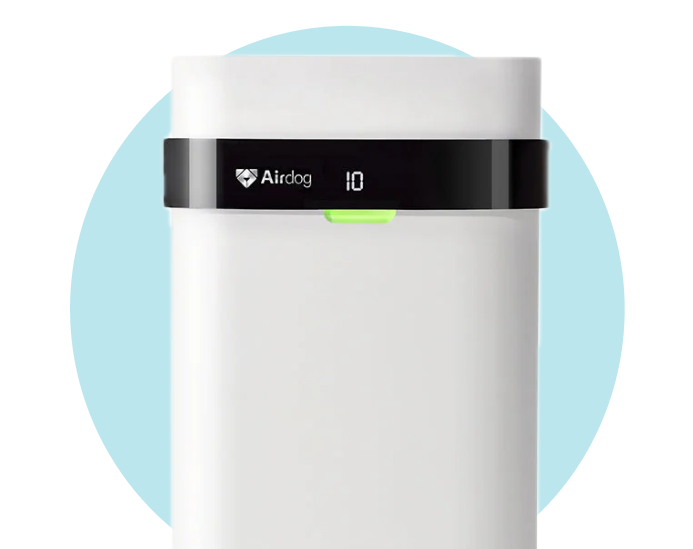
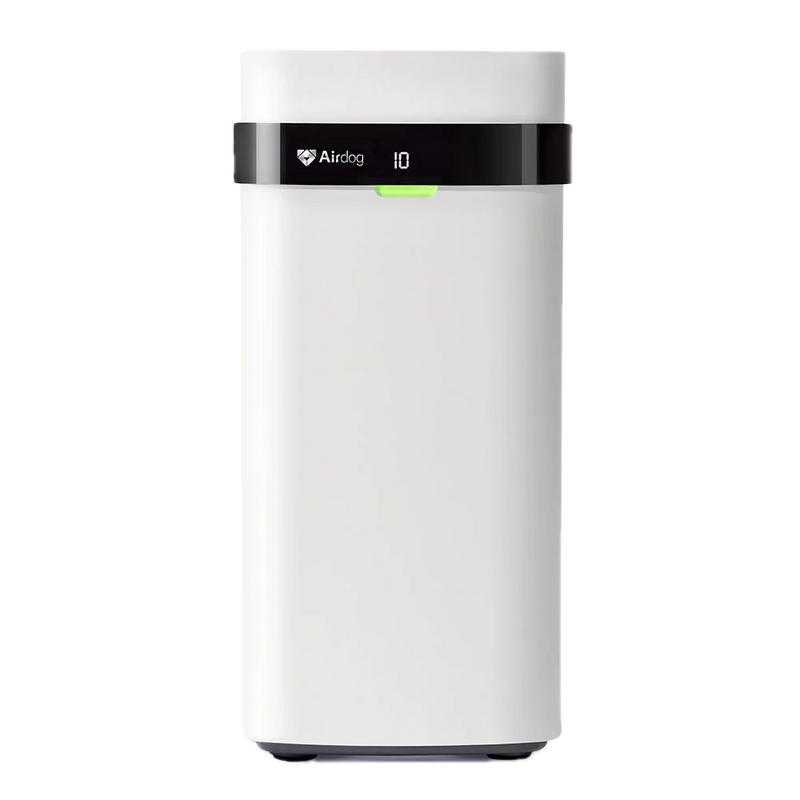
A great example of a design that bridges performance and convenience is Airdog’s MOI humidifier. Its thoughtful engineering makes it more forgiving with tap water than many standard models, especially when proper maintenance is followed. With features that support easier cleaning and dependable mist delivery, the MOI can help you get comfortable humidity levels without the frequent buildup issues that plague less advanced devices.
Ultimately, choosing a humidifier that suits your water quality and lifestyle goals will minimize hassles and help ensure healthy, comfortable indoor air all year long.
Final Answer: Can You Use Tap Water in a Humidifier?
Yes — you can use tap water in a humidifier, but it isn’t always ideal.
Here’s what to consider when using tap water:
-
Convenient and cost-effective (no need to shop for distilled water)
-
Works fine in many areas with softer water and regular maintenance
-
Some humidifiers (like Airdog MOI) are better designed to cope with minerals
Potential downsides of using tap water:
-
Mineral buildup and scale inside the unit
-
“White dust” from minerals dispersing into the air
-
More frequent cleaning and descaling
-
Possible reduced lifespan if not maintained properly
Best practice: If you use tap water, commit to daily tank changes and weekly cleanings. For many users, choosing a model that handles mineral content better or using distilled water simplifies maintenance and reduces issues such as white dust.
Using tap water is possible, just weigh the convenience against extra upkeep and your indoor air quality goals. And if you want a humidifier that’s engineered with easier maintenance and reliable performance in mind, the Airdog MOI humidifier is worth looking into.
FAQs: Humidifiers and Tap Water
Can you use tap water in a humidifier every day?
Yes, but it depends on your water hardness and humidifier type. If you use tap water daily, expect more cleaning and potential white dust.
Why does my humidifier leave white dust everywhere?
White dust is caused by minerals in tap water being released into the air, especially with ultrasonic and cool-mist models.
Is it safe to breathe humidifier mist made from tap water?
Most people tolerate it fine, but mineral particles may irritate sensitive lungs. Distilled water is the safest option for reducing airborne mineral output.
What’s the healthiest humidifier setup?
A clean humidifier + proper humidity levels (30–50%) + distilled water (or a demineralization cartridge) is typically best.