

Who this article is for:
-
Individuals trying to get rid of lingering odors from dead mice
-
Individuals seeking answers for health concerns related to the stench of a dead rodent and are considering air purifiers for viruses and bacteria.
-
Those seeking an air purifier to get rid of a smell like dead rats, mice, or other rodents
Key takeaways:
-
Dead mice smells can make you sick and have potential health risks
-
A mouse's dead body decomposes and produces harmful chemicals
-
Dead rodents are a breeding ground for mold growth. Air purifiers can help improve air quality by reducing mold caused by dead rodents.
-
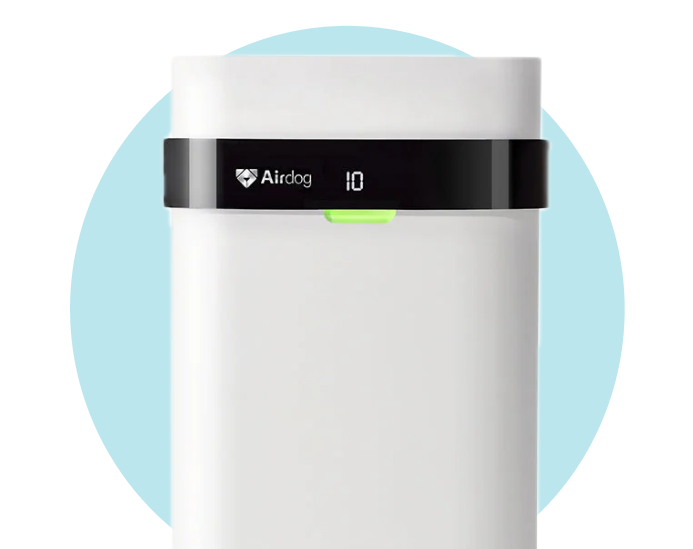
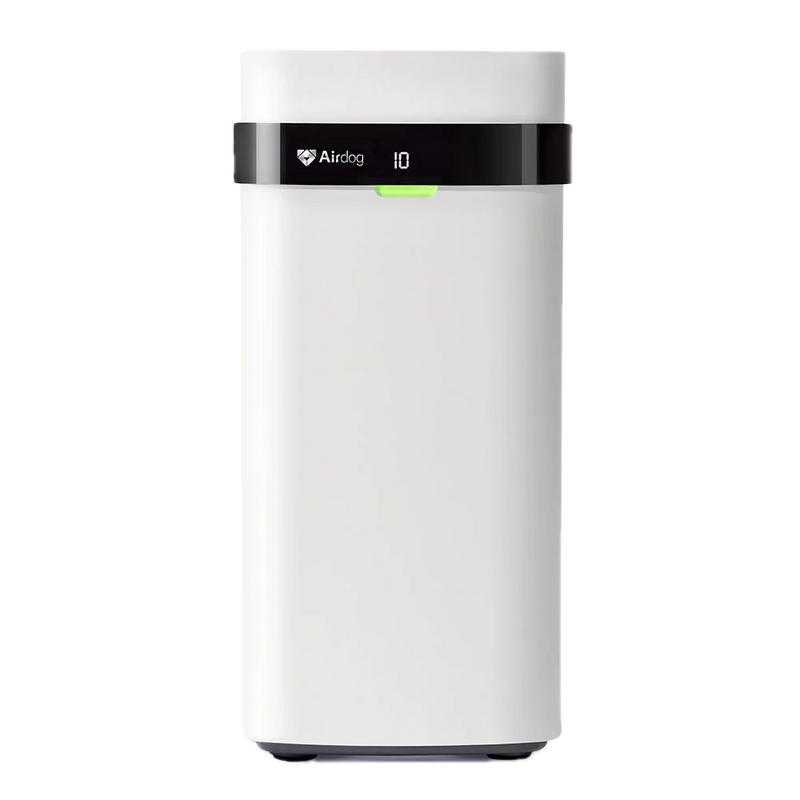
Airdog air purifiers are effective at removing dead mouse and other smells and improving air quality
-
A clean, well-ventilated space makes your house a less appealing space for pests
If you’ve ever experienced the unmistakable foul smell of a dead mouse, you know how overpowering it can be. But beyond the pungent odor, many homeowners wonder: can a dead mouse smell make you sick? The short answer is yes. The decomposing process of a dead animal releases harmful bacteria, toxic gases, and microscopic particles that can affect your respiratory system and overall health.
Here we’ll explore the potential health risks of inhaling the smell of a dead rodent, the dangers of poor indoor air quality, and how air purifiers—especially Airdog’s advanced filtration technology—can help mitigate these risks.
What does a dead mouse smell like?
A dead mouse is often described as a stale rotten egg smell or decaying meat.
The scent of a dead mouse is a result of the decomposition process. As the body breaks down, it releases a mix of chemicals, including:
-
Sulfur dioxide: Responsible for the rotten egg smell.
-
Carbon dioxide and carbon monoxide: Gases that contribute to air pollution in enclosed spaces.
-
Microscopic particles: These carry bacteria and organic matter from the decaying animal.
-
Pungent odors from rotting flesh: These make the smell strong and difficult to ignore.
Health Risks of Dead Rodent Smells
While the odor itself isn’t directly toxic, prolonged exposure to a dead mouse smell can lead to health problems, especially in enclosed areas with poor ventilation. Some potential issues include:
1. Respiratory Irritation and Allergic Reactions
The decaying animal releases airborne bacteria and fungi that can trigger symptoms such as:
-
Runny nose
-
Coughing
-
Sore throat
-
Itchy or watery eyes
-
Difficulty breathing, especially in people with asthma or allergies
2. Bacterial Infections
A dead mouse can be a breeding ground for harmful bacteria, such as Salmonella and E. coli. If airborne particles enter the respiratory tract, they can increase the risk of infections.
3. Mold Growth and Secondary Contamination
Dead rodents attract mold growth, which can further degrade indoor air quality. Mold spores can cause respiratory issues, headaches, and fatigue.
4. Carbon Monoxide and Toxic Gases
While a decomposing rodent doesn’t produce lethal amounts of carbon monoxide, a strong smell combined with poor ventilation can lead to discomfort and dizziness.
How to Get Rid of the Dead Mouse Smell
If you suspect a dead mouse is causing an unbearable odor in your home, here’s what you need to do:
Step 1: Locate and Remove the Dead Rodent
-
Check common hiding spots such as walls, attics, crawl spaces, or air ducts.
-
Wear protective gear, including rubber gloves and a mask, to prevent direct contact with bacteria.
-
Use paper towels to remove the carcass and place it in a sealed plastic bag for disposal.
Step 2: Clean and Disinfect the Area
-
Use a water solution mixed with baking soda or a commercial disinfectant to clean the affected space.
-
Avoid using scented sprays, which may mask the odor but won’t eliminate bacteria.
Step 3: Improve Ventilation
-
Open windows and doors to allow fresh air to circulate.
-
Use fans to direct air outside and speed up odor dissipation.
Step 4: Use an Air Purifier to Remove Lingering Smells
-
A high-quality air purifier can help remove microscopic particles, harmful bacteria, and foul odors from the air.
-
Airdog’s TPA technology captures and destroys airborne contaminants instead of merely trapping them like traditional HEPA filters.
The Role of Air Purifiers in Eliminating Odors and Improving Air Quality
While cleaning and ventilation help reduce the impact of dead mouse smells, air purifiers provide a long-term solution for maintaining healthy indoor air. Here’s why:
1. Removes Airborne Bacteria and Allergens
-
Airdog’s filtration system actively destroys bacteria and viruses, preventing potential infections.
-
It captures particles as small as 0.0146 microns, significantly improving air quality.
2. Eliminates Foul Odors and Toxic Gases
-
Unlike HEPA filters, which only trap pollutants, Airdog’s TPA technology neutralizes volatile organic compounds (VOCs) and gases from decomposing bodies.
3. Prevents Recurring Infestations
-
Rodents are attracted to food sources and decaying matter. A clean, well-ventilated space with purified air makes your home less appealing to pests.
4. Protects Your Respiratory System
-
Long-term exposure to decomposing animals can weaken your lungs. Using an air purifier helps reduce these risks and creates a healthier living environment.
When to Call a Professional Pest Control Company
In some cases, DIY removal isn’t enough. If you notice persistent foul smells, an increasing number of dead rodents, or signs of an infestation, it’s time to call a professional pest control company. Experts can:
-
Locate and safely remove dead rodents hidden in walls or air ducts.
-
Seal entry points to prevent further infestations.
-
Provide advice on keeping rodents out of your home for good.
Final Thoughts: Breathe Different, Stay Healthy
Can a dead mouse smell make you sick? Absolutely—especially if left unaddressed. The harmful bacteria, airborne particles, and toxic gases from a decomposing body can pose serious health risks. Taking action immediately by removing the carcass, disinfecting the area, and improving ventilation is essential.
However, the best way to ensure long-term air quality is by using an advanced air purifier like Airdog. With its patented TPA technology, Airdog captures and destroys even the tiniest pollutants, ensuring that your home remains free of lingering smells, airborne bacteria, and harmful gases.
Want to breathe fresher air? Explore Airdog’s air purification solutions today and protect your home from hidden threats.
Frequently Asked Questions
How can I prevent mice from entering my home?
To prevent mice from entering your home when they are alive, seal windows and doors. Inspect your foundation for small gaps. Take extra precautions when the weather gets cooler, as weather factors into when mice invite themselves into your home.
How soon after a rodent's death will I notice the smell?
Initially, the odor will be faint for the first few hours or unnoticeable and become stronger over the next 24-48 hours as bacteria break down. Warmer temperatures speed up the bacterial spread and intensify smells.
Rodent smells are at their peak within 3-5 days of when they died. The smell can last 2-3 weeks depending on conditions; in humid conditions, smells may last even longer.
How do I find the dead mouse?
Follow your nose to identify the strongest odors in your home to locate the dead mouse. Flies and maggots or other insects may be around the deceased mouse. Look for stains on the walls or floor. Check your air ducts, rooms like garages or attics, or behind appliances like the fridge that mice could possibly be hiding behind.
Locating and removing the dead mouse is critical because within a few hours the body will release gases that are harmful and sickening.
What other odor solutions can I use to get rid of dead mouse smells on top of my air purifier?
To dispose of the dead rodent, place it in a double-bagged plastic bag to reduce smells. Be sure to use gloves. Use odor-neutralizing products, including baking soda, to absorb odors, especially if the mouse carcass is in an unreachable place.