

You've noticed your cat scratching more than usual, or maybe she's developed a persistent dry cough that won't quit. Before you assume it's allergies or rush to the vet, the answer might be floating invisibly in your home's air—or rather, what's missing from it. Between 30% and 50% of homes run too dry during winter months, creating an environment that's just as uncomfortable for your cat as it is for you. A humidifier for cats can transform your indoor air quality, but only if you understand the delicate balance between too little moisture and too much.
This guide walks you through how to create a comfortable environment for your cat, what humidity levels actually matter, and how to avoid the common mistakes that can make things worse instead of better.
What “Normal” Humidity Looks Like for Cats
Relative humidity (RH) measures how much moisture is in the air compared to how much it can hold.
For both cats and humans, the ideal range is:
-
30-50% RH
This range matters more than you might think.
Why Dry Air Is a Problem
When humidity drops too low—especially in winter—your heating system pulls moisture out of the air.
This can lead to:
-
Dry, flaky skin
-
Increased scratching or overgrooming
-
Irritated nasal passages
-
Dry coughing or sneezing
You might notice static shocks when petting your cat—that’s often one of the first signs.
Why Too Much Humidity Is Also a Problem
More moisture isn’t always better.
High humidity (above ~50–60%) can:
-
Encourage mold and bacteria growth
-
Trigger respiratory irritation
-
Worsen asthma or allergy symptoms
The goal is balance—not maximum humidity.
Find your home's Humidity "sweet spot"
Your thermostat might tell you it's 72°F, but it won't tell you the whole story about your cat's comfort. Humidity can swing wildly from room to room—and hour to hour—depending on heating vents, bathroom steam, and how tightly your windows seal.
Use a hygrometer for accurate humidity testing rather than trusting built-in thermostat readings. These small devices (often under $15 at hardware stores) give you the real numbers you need to make smart decisions about a humidifier for cats.
Take Three Strategic Readings
Map your cat's actual living spaces rather than random spots in your home. Place a hygrometer:
-
Your cat’s favorite sleeping spot
-
Near litter areas
-
Main family room
Write down each reading with the time of day. Morning readings after your heat kicks on will differ from evening numbers after cooking dinner or showering. This variation matters more than you'd think.
Use Clear Decision Thresholds
If your RH consistently sits under 30–35%, you're in "add moisture" territory. Your cat's skin, nose, and respiratory tract are working overtime to compensate for that dry air.
If RH consistently climbs above 55–60%, you're in "remove moisture" territory to prevent mold and bacteria growth. High humidity creates the perfect environment for allergens that can trigger respiratory distress in sensitive cats.
Think Seasonally, Not Universally
Winter heating systems are humidity destroyers. Your furnace might drop RH by 20 percentage points in just a few hours of runtime. Needing a humidifier for cats during cold months is completely normal.
But here's the trap: damp climates and energy-efficient homes can already run high without you realizing it. Modern construction seals moisture in along with your heated or cooled air. Measure first, add moisture second—never the other way around.
Pair Numbers With Visual Home Checks
Walk through your home with fresh eyes after checking your hygrometer. Look for condensation on windows—those little water droplets signal you've crossed into over-humidified territory.
A musty smell, visible damp spots on walls, or that sticky feeling on door handles? All red flags to pause any humidifier use immediately. Improve ventilation by opening windows for 10 minutes daily, or consider a dehumidifier if the problem persists.
Adjust Slowly and Track Results
Change humidity by roughly 5% per day, not 20% overnight. This gradual approach lets you connect cause and effect: did your cat's sneezing improve when RH hit 40%, or did it worsen when you pushed to 50%?
Adjust based on your cat's response rather than chasing an arbitrary number. Your cat's comfort—fewer scratching sessions, clearer breathing, better appetite—tells you more than any meter ever could.
How Proper Humidity Helps Your Cat
Healthier Skin and Coat
Balanced humidity helps your cat’s skin retain moisture.
When RH climbs into the 30–50% zone, the changes show up within days. Less dandruff dusting your furniture. Fewer scratching sessions that leave red marks on her ears. A coat that actually reflects light instead of looking dull and brittle.
Humidifiers help maintain skin moisture by creating an environment where your cat's natural oils can do their job. Her skin barrier stays intact rather than cracking and flaking. Over two to three weeks, you'll notice her fur feels softer and looks shinier—not because you changed her food, but because her skin finally has the moisture it needs to support healthy hair growth.
Itch-driven overgrooming often gets blamed on allergies or anxiety. Sometimes it's just physics: dry air makes skin uncomfortable, and cats respond by licking excessively to soothe the irritation. A humidifier for cats addresses the root cause rather than masking symptoms.
Easier Breathing
Your cat's nasal passages are lined with delicate tissue that needs moisture to function properly. When air drops below 30% RH, those tissues dry out and become irritated—just like your own nose feels raw during winter.
Added moisture helps keep nasal passages comfortable. This can:
-
Reduce dry coughing
-
Ease mild congestion
-
Support overall respiratory comfort
Think of proper humidity as preventive care for respiratory health. You're not treating a disease; you're removing an environmental stressor that makes breathing harder than it needs to be.
Better Appetite
Here's a practical reality many cat parents miss: when cats are congested, they may eat less because smell drives appetite. Felines rely heavily on scent to determine whether food is appealing and safe to eat.
Upper respiratory infections that cause congestion can lead cats to refuse meals entirely—not because they're not hungry, but because they literally cannot smell their food. Maintaining comfortable humidity supports normal smelling and eating during mild congestion.
This matters during recovery from illness or seasonal sniffles. A cat who can smell her food will eat better, which speeds healing and maintains her energy levels. Proper humidity won't cure a URI, but it removes one barrier to recovery.
Your "too dry" checklist: spot the signs before they worsen
Most parents assume allergies when they see certain symptoms. Check your RH first before booking that vet appointment for allergy testing.
Watch for these concrete signals that your home's air has dropped too low:
-
Increased static electricity: if you're getting shocked touching doorknobs, your cat's feeling it in her fur
-
Excessive grooming or licking: more than her normal routine, especially focused on paws or flanks
-
Visible flaking when you pet her: white dust that appears as your hand moves through her coat
-
Dry, coughy nights: that repetitive throat-clearing sound that wakes you at 2 a.m.
-
Avoiding warm air vents: she used to love that spot, now she stays away
Each of these signs points to the same culprit—air that's too dry for comfort. A humidifier for cats can resolve all five without medication or vet intervention.
The Biggest Mistake: Too Much Humidity
Why pushing humidity too high creates new problems
You bought a humidifier for cats to solve dry air issues. Now you're wondering why your cat's sneezing got worse instead of better.
Running a humidifier constantly without checking levels can backfire.
Excess moisture can:
-
Promote mold growth
-
Increase airborne irritants
-
Worsen respiratory symptoms
Set a Clear Limit
Pick 50% RH as your ceiling and treat it like a hard stop. The ideal range of 30–50% gives you room to adjust, but that upper boundary protects against the mold and bacteria risks that come with excess moisture.
Check RH manually twice daily—once in the morning, once in the evening. Humidity fluctuates throughout the day as temperature changes, so two readings give you a realistic picture of what your cat is actually experiencing.
Keep a small notebook or phone note tracking these numbers for the first week. You'll quickly learn your home's patterns: which rooms run drier, which times of day need more moisture, when to dial back the settings.
Add Daily Ventilation
Open your windows for roughly 10 minutes each day when outdoor conditions cooperate. This simple routine flushes out stale air, reduces accumulated indoor pollutants, and resets humidity naturally.
Fresh air circulation prevents the buildup of particles that irritate respiratory systems. Even with a humidifier for cats running at perfect levels, you need air exchange to remove dander, dust, and other allergens that settle indoors.
Pick a consistent time—maybe while you're making morning coffee or during your cat's afternoon nap. Make it part of your daily rhythm rather than something you remember sporadically.
Skip this step on high-pollen days or when outdoor air quality is poor. The goal is to improve indoor air, not introduce new problems from outside.
Adjust for Seasons
High humidity makes it harder for pets to cool themselves effectively, especially when temperatures climb. Cats rely on grooming and limited panting to regulate body temperature—both mechanisms work poorly in muggy conditions.
Don't run your humidifier out of winter habit once warm weather arrives. Check your RH first. Many homes naturally sit at 50–60% in summer, particularly in humid climates or during rainy seasons.
Adding moisture when it's already warm and humid creates genuine heat stress risk for your cat. She can't pant efficiently. Her grooming doesn't cool her skin as effectively. The combination of heat plus high humidity becomes dangerous faster than either factor alone.
Monitor RH year-round, not just during heating season. Your cat's comfort—and safety—depends on keeping that number in the sweet spot regardless of what month appears on the calendar.
Choosing the Right Humidifier for Cats
Not all humidifiers are pet-safe.
Use Cool Mist Only
Warm mist humidifiers can become dangerously hot—hot enough to burn your cat if she investigates the new appliance in her territory. Cats will check out anything you bring into their space. That's not optional behavior you can train away.
Steam vaporizers boil water to create mist, and that boiling water poses a real hazard. If your cat bumps the unit, tips it over, or simply gets too close while it's running, she risks serious burns.
Cool mist eliminates this risk entirely. The water never heats up, so even direct contact won't cause injury. For families with multiple pets, young children, or particularly adventurous cats, cool mist is the only safe default choice.
Two Practical Cool-Mist Options: Ultrasonic vs. Evaporative
Ultrasonic
-
Quiet
-
Good for bedrooms
-
May create white dust (use distilled water)
Evaporative
-
Self-regulating
-
Less risk of over-humidifying
-
Slightly louder
Smart Placement Prevents Accidents and Condensation
Set your humidifier on a stable, hard-to-tip surface—never on a wobbly end table or anywhere your cat uses as a jumping point. A curious cat launching herself onto furniture can send a lightweight humidifier crashing to the floor.
Secure all cords along baseboards or behind furniture. Dangling cords tempt cats to play, chew, or get tangled. Use cord covers or clips to keep them flat against walls where they're less interesting to investigate.
Don't aim mist directly at walls or windows. That concentrated moisture stream creates condensation, which leads to water damage and mold growth in the exact spots you're trying to protect. Point the nozzle toward the center of the room instead.
Keep mist away from your cat's favorite sleeping spots. Damp bedding feels uncomfortable and takes forever to dry completely. Your cat won't use a bed that feels wet, and prolonged dampness encourages bacterial growth in fabric.
What to Avoid
Never add essential oils or scented additives to your humidifier for cats. Many oils are toxic to felines, and even "safe" scents can irritate sensitive respiratory systems. Your cat's nose is far more powerful than yours—what smells pleasant to you can be overwhelming to her.
Don't let water sit in the reservoir for multiple days. Stagnant water grows bacteria and biofilm within 24–48 hours. That contaminated water then becomes contaminated mist that you and your cat breathe. Empty and refill daily, even if water remains in the tank.
Never run your humidifier if RH already measures above 50%. Check your hygrometer before turning the unit on each day. Adding moisture to air that's already humid creates the exact conditions that worsen respiratory symptoms instead of improving them.
Simple Maintenance That Keeps It Safe
Daily Rinse and Weekly Deep Clean
Empty your humidifier reservoir every single day. Pour out any remaining water, rinse the tank with clean water, and refill with fresh water before running the unit again.
This simple habit prevents the slippery bacterial layer called biofilm from forming inside your humidifier. Biofilm develops within 24–48 hours in standing water and creates the perfect environment for mold and bacteria to multiply.
Set a weekly calendar reminder for deep cleaning. Disassemble the tank, base, and any removable parts. Wash everything with mild soap and warm water, paying special attention to corners and crevices where biofilm hides.
For stubborn mineral deposits, soak parts in a solution of equal parts white vinegar and water for 20–30 minutes. Rinse thoroughly afterward—vinegar residue can irritate sensitive cat noses.
Use the Right Water
Notice a fine white powder settling on furniture near your humidifier? That's mineral dust from hard tap water being dispersed into the air as mist.
Switch to distilled water immediately. This eliminates the minerals that create airborne particles. Your goal is clean air plus correct RH—not just visible mist that leaves residue everywhere.
Run your hand across nearby surfaces after 24 hours of using distilled water. If the white film disappears, you've confirmed that minerals were the culprit.
Check inside the tank and base for chalky buildup while you're troubleshooting. Mineral deposits restrict mist output and harbor bacteria even when you're using distilled water going forward.
Track Results
Pick one observable cat behavior to monitor: scratching frequency, sneezing episodes, or time spent grooming. Write down what you notice each day alongside your RH reading from the same time.
After 7–10 days, look for patterns. Did scratching decrease when RH stayed between 35–45%? Did sneezing worsen when RH climbed above 50%? Adjust your humidistat setting based on what the data shows.
Most families find their cat's "sweet spot" within two weeks of consistent tracking. Once you identify that ideal range, maintaining it becomes automatic.
Keep Your Cat Comfortable Without the Guesswork
A humidifier for cats can make a real difference—but only when used correctly.
Focus on:
-
Keeping humidity between 30–50%
-
Monitoring levels regularly
-
Avoiding over-humidifying
-
Maintaining a clean setup
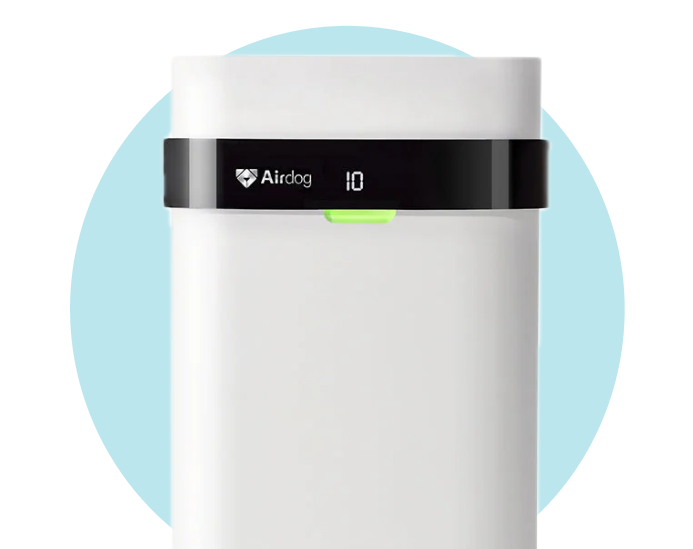
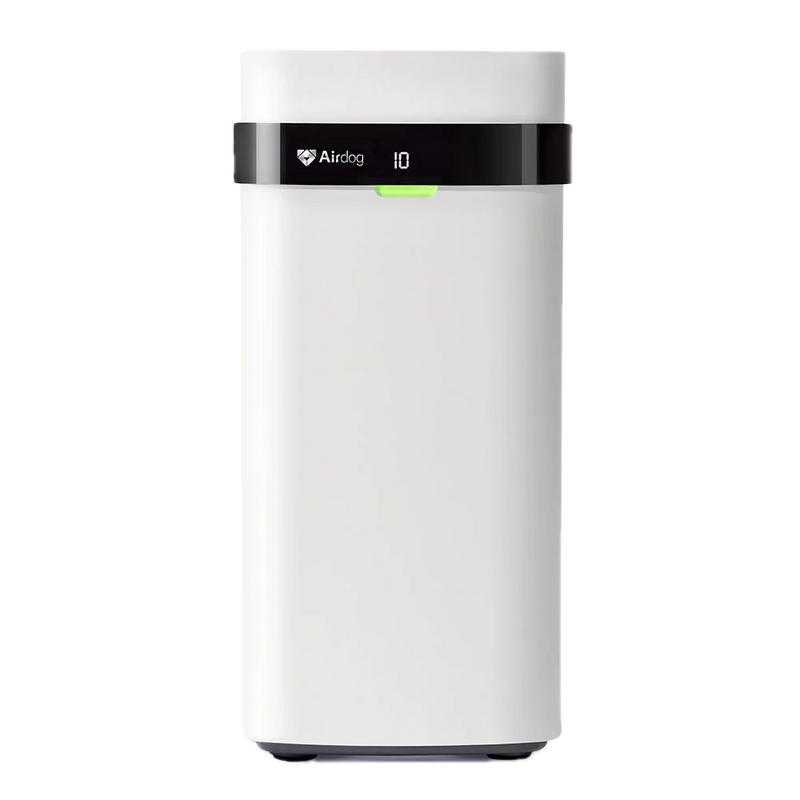
And if you want a more consistent, low-maintenance way to manage indoor moisture, a solution like Airdog’s MOI humidifier can help keep humidity balanced without constant adjustments—so your cat stays comfortable day after day.