

Humidifier Benefits: How Balanced Indoor Moisture Supports Health, Comfort, and Better Living
Who this article is for:
-
Allergy and Asthma sufferers who are looking for airflow humidifier to help soothe symptoms
-
Furniture and instrument owners seeking to keep their furniture safe from humid conditions
-
People seeking to understand the difference between an air purifier and humidifier
Key takeaways:
-
Dry air in your home can mean dry throats, cracked skin, and irritated nasal passages
-
Furniture can deteriorate overtime when placed in dry climates
-
Humidifiers can help with allergies, sickness, and furniture regulation
-
CPAP users find properly regulated humidity helps a CPAP be more tolerable
-
Contact lens wearers and heavy screen users may face dry eye problems and could benefit from a humidifier
-
Humidifiers bring water vapor back into the air while air purifiers help clean the air of pollutants.
Winter brings more than cold weather. It brings air so dry your skin cracks, and a raw feeling in your throat each morning. These are signs that your indoor air has dropped to moisture levels your body wasn't built to handle. Understanding humidifier benefits starts with recognizing that comfortable, healthy air is about more than temperature. This guide walks through the science behind indoor humidity, symptoms of dry air, and the practical steps you can take to restore balance. You'll learn when a humidifier makes sense, and how to use one effectively. Ready to breathe easier and wake up without a parched throat?
Why Humidifier Benefits Matter in Real Homes
Relative humidity (RH) measures the percentage of moisture in the air the air is holding compared with the maximum it could hold at that temperature. Cold outdoor air starts with less moisture capacity, and when you heat that air indoors, its relative humidity drops even further. Your furnace or space heater doesn't add dryness directly; it simply raises the temperature, which expands the air's ability to hold water vapor. The existing moisture gets diluted across a larger capacity, and RH plummets. That's why many homes fall below 30% RH during the warm seasons, even when outdoor humidity feels tolerable.
Most households should aim for 30% to 50% indoor humidity, the range highlighted by both the Mayo Clinic and EPA guidance. This range balances comfort with lower mold risk. Go below 30%, and you'll feel dryness in your skin, throat, and nasal passages. When RH is above 50%, and you create conditions that are prone to mold growth, dust mites, and musty odors.
What are the signs of dry air in your home? Do you wake up with a dry, scratchy throat most mornings? Have you noticed more nosebleeds, cracked lips, flaky skin, or itchy eyes than usual? Has your furniture seen better days with no apparent reason? Are your houseplants wilting despite regular watering? These are all clues your home may be too dry.
You can test your RH by picking up an inexpensive hygrometer and measure RH in your bedroom, living room, and any other space where you spend significant time. Check readings in the morning and evening for a few days. If you're consistently below 30%, you have a dryness problem worth addressing.
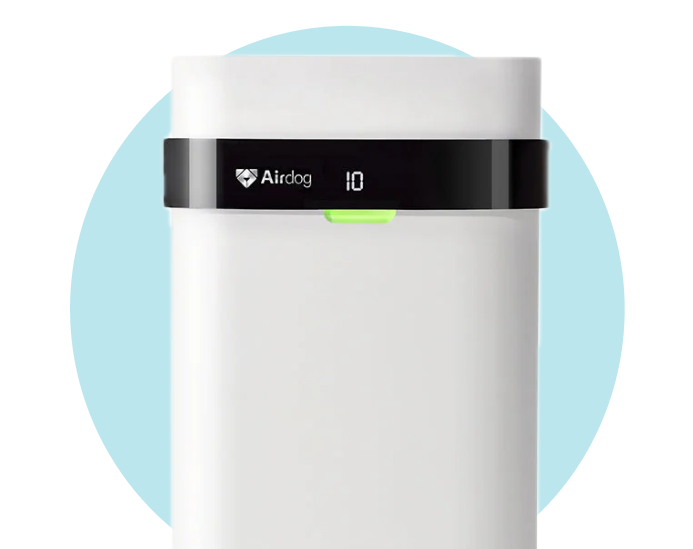
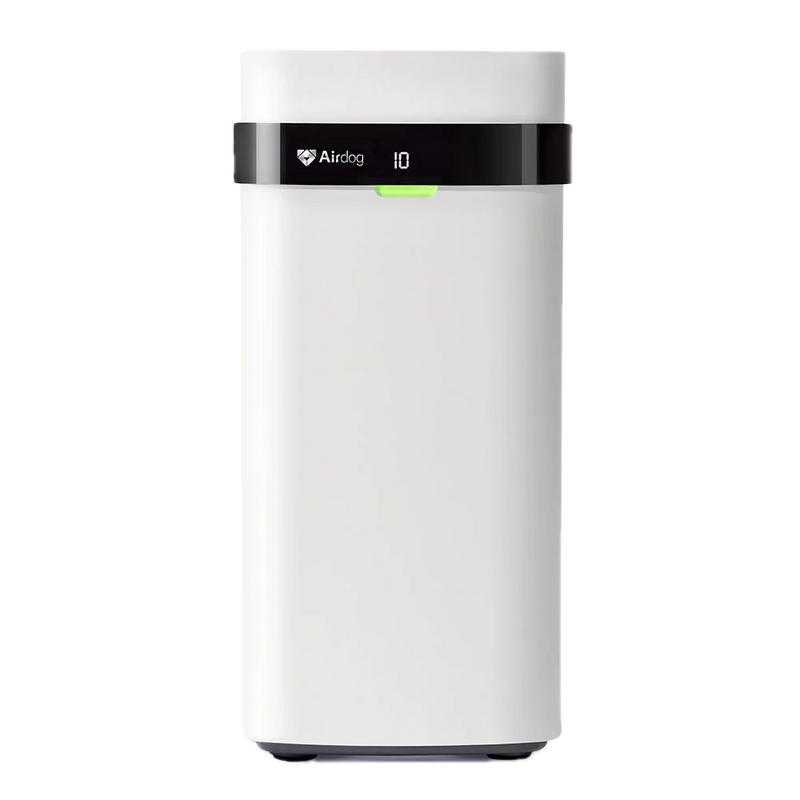
Airdog’s MOI Mold-Free Evaporative Humidifier features a digital display screen that shows real-time relative humidity alongside the temperature and water volume. It automatically adjusts the fan speed to meet your humidity target.
Respiratory Relief, Easier Breathing, and Better Sleep Are the Most Immediate Humidifier Benefits
Dry air irritates the upper airway, when moisture levels drop, the mucous membranes lining your nose and throat lose hydration. Those tissues rely on a thin layer of moisture to trap particles, warm incoming air, and keep everything moving smoothly. Strip that moisture away, and the lining becomes inflamed, swollen, and hypersensitive.
Balanced moisture helps keep nasal passages and throat tissues from drying out, which makes breathing feel smoother throughout the day and night. Cleveland Clinic explains that properly moisturized airways function more efficiently, while MedlinePlus notes that humidified air can relieve stuffy noses.
Many people notice humidifier benefits most at night, when bedroom air has been dry for several hours and you wake up with a parched mouth and scratchy throat. Humidifiers help reduce the discomfort of dry airways.
Moderate humidity may calm irritation caused by dryness and make airways less reactive, which can reduce the frequency of allergy and asthma flare-ups caused by dry air. But too much humidity backfires by encouraging mold spores and dust mites, both of which are potent asthma and allergy triggers.
People who use CPAP machines face specific dry-air problems. The continuous airflow can dry out your mouth, nose, and the skin around the mask, which leads to irritation, nosebleeds, and discomfort that makes it harder to use a CPAP machine. Adding moisture to the bedroom air or using a CPAP with a built-in humidifier chamber can significantly reduce discomfort. While the machine treats the apnea humidity just makes the experience more tolerable.
Humidifiers Benefit your Skin and Eyes
Your skin barrier depends on the moisture from the air around you. When indoor air drops below 30% RH, your skin loses water faster than it can replenish it, which leads to chapping, flaking, itching, and irritation that no amount of lotion seems to fix.
When that moisture disappears, the outer layer of the skin cracks and becomes inflamed. People with eczema-prone skin feel this most, because their barrier is already compromised.
Humidifiers work especially well when paired with a moisturizer after bathing. Apply lotion while your skin is still damp. Let the humidifier work throughout the night to maintain hydration.
Eye and lip comfort often improve with the use of a humidifier. Dry indoor air leaves people with burning eyes, cracked lips, and nose dryness ,especially in bedrooms and home offices where heat runs for eight or ten hours straight.
Contact lens wearers notice dry-eye symptoms more quickly than most, because the lens itself already reduces tear-film stability. Heavy screen users have a reduced blink rate. When paired with dry air eye discomfort can feel unmanageable.
Properly humidified air often feels warmer at the same thermostat setting, which means some households can stay comfortable at a slightly lower temperature in winter. Balanced humidity makes air feel warmer in winter because moist air transfers heat more efficiently than dry air.
This is a comfort advantage that may help energy use, not a guaranteed monthly savings. But if you can drop the thermostat one or two degrees and still feel comfortable, that's a real benefit over the course of a heating season.
Very dry rooms put stress on wood floors, furniture, instruments, and some houseplants in ways that show up slowly but may be costly to repair. Hardwood floors develop gaps between boards as the wood shrinks. Furniture joints loosen and crack. Guitars and pianos go out of tune or develop structural damage that requires professional repair.
Moisture-loving houseplants become more vibrant with proper humidity, and wood floors or furniture may last longer. Stable moisture protects investments of beloved guitars, beautiful pianos, and hardwood floors.
Where to Place Your Humidifier
Start with the bedroom. That's where symptom relief is easiest to notice because you spend seven or eight uninterrupted hours breathing the same air. Put the unit on a stable, water-safe surface like a nightstand, dresser, or small table several feet away from walls and bedding.
If windows fog, surfaces feel damp, or the room smells musty, the setting is too high. Window condensation means you've pushed past the safe range and moisture is condensing on cold surfaces, which invites mold growth within days. Drop the setting immediately and let the room dry out before resuming at a lower level.
The Biggest Mistake: Humidifier Benefits Disappear When Maintenance Is Poor or Humidity Gets Too High
A humidifier is only helpful when it is clean. That single sentence should be printed on every box, because dirty units create more problems than they solve.
Mold and bacteria can grow in dirty humidifiers, and once those microbes colonize the tank, the machine spreads them into the room instead of improving comfort and creating healthy air.
The second mistake is pushing humidity too high because you assume more moisture equals more relief.
Recurring window condensation can mean humidity is too high That's how mold starts growing especially around window frames, corners, and poorly insulated walls.
Other warning signs you can recognize without special tools: damp-feeling bedding, mildew smell, visible mold near sills or vents, or worsening dust-mite symptoms even though you're trying to improve air quality. EPA guidance notes that humidity levels above 60% are too high and create conditions that favor mold growth and dust mites—the exact allergens many people are trying to reduce.
If your sheets feel clammy in the morning or the room smells musty when you walk in after being gone for a few hours, dial the humidifier back immediately.
Here's a care routine that prevents contamination:
-
Empty and refill with fresh water daily, especially if you're running the unit overnight. Stagnant water sitting in a tank for three days becomes a bacterial breeding ground.
-
Deep-clean the tank and base on schedule weekly for daily use, every few days during heavy winter operation. Use white vinegar or the manufacturer's recommended cleaning solution, scrub all interior surfaces, and rinse thoroughly.
-
Dry the tank completely before storage at the end of the season. Putting a damp tank in a closet for six months guarantees mold growth before you even turn it back on.
-
Replace filters or wicks when required, not when they fall apart. A clogged filter reduces output and traps organic material that feeds microbial growth.
Airdog’s MOI Mold-Free Evaporative Humidifier uses reusable, mold-free washable filter cloth saving you money on replacement filters and keeping your machine free from moldy conditions.
Humidifiers can ease dry-air symptoms, but they do not treat the underlying cause of asthma, allergies, chronic sinus disease, or persistent cough. Balanced humidity helps irritated airways feel less reactive and keeps mucus from drying into thick, stubborn congestion, persistent respiratory issues, worsening allergy symptoms, or chronic sinus problems require medical evaluation, not just better humidification. The humidifier supports comfort, it does not replace diagnosis or treatment when something more serious is driving the symptoms.
When to Use a Humidifier, When Not To, and How It Fits With Cleaner Air Goals
Humidity control and air cleaning solve completely different problems.
A humidifier adds moisture for comfort and dryness relief. It does not remove particles, smoke, pet dander, cooking fumes, or chemical pollutants floating through your home. Those contaminants require filtration, ventilation, or air purification—not moisture.
The best times to use a humidifier are specific and seasonal:
-
Heating season, when furnaces and space heaters strip moisture from indoor air
-
Very dry climates where outdoor humidity stays low year-round
-
Bedrooms overnight, especially if you wake with a parched throat or bloody nose
-
Home offices during long workdays, where dry air compounds screen-related eye fatigue
-
Any room that repeatedly measures under 30% RH on a hygrometer
Running a humidifier without checking whether it's needed wastes energy and risks pushing moisture too high during naturally humid months. Summer air in most regions already carries plenty of moisture; adding more just invites mold.
Here's a home protocol you can start this week:
Measure RH in the morning and evening for seven days. Place an inexpensive hygrometer in the bedroom, check it when you wake up, and check again before bed. Write down the numbers. That gives you real data instead of guessing based on how your skin feels.
Run the humidifier only when readings consistently fall below 30%. If your bedroom measures 28% RH on Tuesday morning and 26% on Wednesday morning, you have a clear moisture deficit. If it measures 45% on Thursday, you don't need the humidifier that night.
Use kitchen and bathroom exhaust fans after cooking and showers. Those activities dump large amounts of moisture into the air quickly. Venting that humidity outside prevents it from drifting into bedrooms and pushing levels too high while you're trying to balance dryness elsewhere.
Airdog’s MOI Mold-Free Evaporative Humidifier smart feature will shut off automatically when it reaches your target humidity level so you don’t need to worry about monitoring humidity levels.
Air Purifiers vs. Humidifiers
If your main issue is dry skin, nosebleeds, scratchy throat, or winter air, a humidifier is a strong candidate. Those symptoms point directly to insufficient moisture, and humidifier benefits target exactly that problem.
If your main issue is dust, odors, smoke, or allergy-triggering particles, you need air-cleaning steps as well. A humidifier won't capture the pet dander settling on your furniture or the cooking smoke lingering after dinner. It won't reduce pollen counts or remove volatile organic compounds from new furniture.
Many households need both: moisture control during dry months and continuous particle filtration year-round. Two separate aspects of indoor air quality that both affect health and comfort. The humidifier benefits you gain from balanced moisture work alongside cleaner air, not instead of it.
Frequently Asked Questions:
Is sleeping with a humidifier good for you?
Yes. Sleeping with a humidifier adds moisture back into the air and can help improve irritated nasal passages, sore throats and dry eyes. This can be especially helpful during cold and flu season, for allergy and asthma suffers, heavy screen users, and CPAP users.
Is it good to use a humidifier everyday?
Using a humidifier is good to use under dry conditions. If you live in a dry climate or if it’s winter, using a humidifier can help improve dry air conditions. Airdog’s MOI Mold-Free Evaporative Humidifier can be plugged in year round. It detects when humidity levels have met their target RH humidity level and turns off automatically when humidity levels are stable. This auto shut off feature saves you energy and you don’t have to guess if your humidity levels are looking good.
What is the purpose of a humidifier in your room?
A humidifier improves dry air in your room by adding moisture back into the air. It can help improve cold-like or allergy systems, improve your skin, and even help you sleep better because it reduces sore throats and can help with snoring.