

You walk into your living room after a long day and something feels... off. The air seems heavy, stale—maybe even a little sour. You light a candle, spray some air freshener, and hope for the best.
But here's the truth: masking odors never actually solves the problem. In fact, you might be layering synthetic fragrance on top of the very particles causing the smell, creating an even more unpleasant mix that can irritate sensitive noses in your household.
If you're a parent trying to create the healthiest possible environment for your family, understanding how to remove bad smells from a room naturally isn't just about comfort, it's about addressing air quality at the source.
The good news? A room can start smelling noticeably fresher within just a few hours when you combine proper ventilation, source removal, and natural odor absorbers. This guide walks you through the practical, no-nonsense steps that actually work: finding hidden odor sources most people miss, using household ingredients that neutralize smells instead of covering them up, controlling moisture and airflow to prevent odors from returning, and building simple daily habits that keep your home smelling clean without harsh chemicals or expensive subscriptions.
Removing Bad Smells "Naturally" Means Eliminating the Source
Let's start with realistic expectations. When you combine ventilation with source removal and an odor absorber like baking soda or charcoal, you can notice improvement in a few hours. Not days—hours. The key is addressing the actual odor molecules instead of trying to drown them in synthetic fragrance.
But first, you need to know if your room even has a problem. "Nose blindness" is real: repeated exposure to a smell reduces your sensitivity over time. You might be living with odors you no longer detect, which is why a friend walking into your home might notice something you've completely tuned out.
Before you start, do a quick reset:
Step outside for a few minutes, then come back in. That first breath helps you detect odors you’ve gone “nose blind” to.
Quick Odor Check
Quick odor triage in five minutes: Identify the odor family to narrow your approach.
-
Musty smells point to moisture or mildew.
-
Sour notes suggest laundry, textiles, or bedding that need washing.
-
Ammonia-like sharpness means pet urine.
-
Greasy, heavy air indicates kitchen film on surfaces.
-
Rotten smells trace back to trash or drain buildup.
Knowing the category helps you skip the guesswork and go straight to the fix.
Why masking backfires: fragranced sprays and candles create a "perfume plus stink" combination. The original odor molecules remain in the air—you've just added competing scent molecules. Worse, these products can bother family members with sensitivities, asthma, or allergies. Synthetic fragrances don't solve the source; they temporarily distract your nose while the underlying problem persists.
Safety baseline for family homes: Even "natural" doesn't automatically mean safe for everyone. Essential oils are concentrated plant chemicals. Use minimal amounts, keep them away from infants and pets, and prioritize truly unscented neutralizers like baking soda or activated charcoal when anyone in your household is fragrance-sensitive. The goal is cleaner air—not just different-smelling air.
Find the Source Fast: The "Hidden Odor" Checklist Most People Skip
Most odors don’t come from obvious places. They hide in areas that rarely get cleaned.
Soft Surfaces Hold Smells
Soft surfaces act like odor sponges. Smells soak into fabrics, carpets, curtains, and even walls. If you've been washing your floors but ignoring your throw blankets, pillow covers, or couch cushion covers, you're only addressing half the problem. Pull everything washable and run it through a hot cycle. For curtains or larger items that don't fit in your machine, take them outside and shake them vigorously, then hang them in direct sunlight for a few hours—UV light naturally breaks down odor molecules.
Carpet and rug reset
Carpets trap dust, crumbs, and odor-causing particles that vacuuming alone won’t remove.
Sprinkle a generous layer of baking soda across the entire surface. Let it sit for 30 to 60 minutes—longer for stubborn rooms. Then vacuum slowly with multiple passes, going in different directions to lift embedded particles.Repeat this weekly in high-traffic areas or rooms that tend to smell stale.
Clean Under and Behind Everything
The "under-and-behind" sweep makes a massive difference. Pull furniture away from walls and clean baseboards, under beds and cribs, and behind trash cans. Dust mixed with moisture and food crumbs creates stale odor pockets that conventional cleaning routines miss. Common culprits include underbed areas, floors, and hidden food or trash.
Don’t Forget Drains
Sink and bathroom drains harbor bacteria that continuously emit odor. Flush with hot water and physically clean visible gunk using a drain brush or bent wire hanger. For persistent drain smells, pour half a cup of baking soda followed by a cup of white vinegar down the drain, let it fizz for 15 minutes, then flush with boiling water.
Pet Odors Need Deeper Cleaning
Pet odor reality check: if accidents happened, you must clean the exact spot thoroughly and remove any urine-soaked materials. Otherwise the room will "re-bloom" in humidity—on musty days or after the heat turns on, that ammonia smell will return. Enzyme-based cleaners work, but if the urine soaked through carpet into the padding underneath, you may need to cut out and replace that section. No amount of surface cleaning will eliminate odor trapped in porous materials.
Natural Odor Neutralizers That Actually Work
Once you’ve removed the source, use natural methods to capture lingering odor particles.
Baking Soda (Best All-Around Option)
Baking soda bowls for ambient stink: Place one to two shallow bowls in corners, near closets, shoe areas, or along the "stale" wall. Replace every one to two weeks because baking soda stops absorbing once it becomes saturated. You'll know it's time when the powder clumps together or the room starts smelling off again.
White Vinegar (Air Reset Method)
White vinegar "odor capture" method: Pour distilled white vinegar into a large bowl and leave it in the closed room for several hours or overnight for stubborn odors. Expect a temporary vinegar note that dissipates after you remove the bowl. The room will smell vinegary for a bit, but it's mild and fades quickly, leaving the space noticeably fresher.
Vinegar Cleaning Spray
Mix equal parts vinegar and water. Use on:
-
Washable, non-stone surfaces
-
Kitchen walls near the stove
-
Trash-can areas
-
Door handles
-
Light switches.
Avoid using it on natural stone like marble or granite, as the acidity can etch the surface. For those areas, stick with plain water and a microfiber cloth.
Activated Charcoal (For Stubborn Smells)
Activated charcoal for "locked-in" smells: Place charcoal sachets in closets, drawers, near litter areas, or the musty corner that never seems to clear. Swap or refresh per package directions because charcoal adsorbs—binds to—odor molecules rather than masking them.
Light, Natural Scents (Optional)
Optional scent that doesn't scream "air freshener":
-
Citrus peels
-
Dry coffee grounds
These work well for localized areas like an entryway shoe shelf or diaper pail zone. These provide a subtle, pleasant note without the chemical load of synthetic fragrances. Replace citrus peels every few days and coffee grounds weekly.
Airflow + Moisture Control: The Natural Fixes That Prevent the Smell From Returning
Eliminating odors is only half the solution. Without airflow and moisture control, they return quickly.
Ventilation protocol (simple but specific): Open windows on opposite sides of the home for 10 to 15 minutes to create cross-breeze. This pushes stale air out and brings fresh air in. Then close up and keep air moving with a fan for another 15 minutes to push trapped air out of textiles and soft surfaces. Even in winter, a brief ventilation session makes a noticeable difference—just dress warmly and do it during the warmest part of the day.
Musty smell equals moisture problem. If a room regularly reads above 60% relative humidity, use a dehumidifier and investigate leaks or condensation. Check window sills, basement walls, and areas around HVAC vents for moisture buildup. A simple hygrometer (available for under $15) tells you exactly what you're dealing with.
Bathroom and kitchen source control: Run exhaust fans during and after showers or cooking long enough to clear moist or greasy air. Humidity and cooking aerosols cling to surfaces and go stale. Let the bathroom fan run for at least 20 minutes after a shower; let the kitchen fan run for 10 minutes after cooking.
No-window room workaround: Focus on "capture plus circulation." Use an odor absorber like baking soda or charcoal sachets plus a circulating fan aimed out into a hallway so the room air mixes with fresher air. Keep the door cracked when possible to reduce stagnation. If the room has a door that leads to another room, open both doors to create a path for air movement.
Houseplants as mild support (not a magic bullet): Choose easy, low-pollen options like snake plant or peace lily for a gentle freshness boost and better perceived air quality. They won't eliminate heavy odors on their own, but they contribute to a cleaner-feeling space and help regulate humidity levels naturally.
Keep It Fresh With Low-Effort Routines
Once your space is clean, small routines make the biggest difference.
The 30-Second Morning Reset: Pull back bedding for about 30 minutes to release trapped moisture and heat, then remake the bed. This reduces that sour-sleep smell in bedrooms. It takes zero extra time since you're already up and moving through your morning. Just strip the covers back before you shower or make breakfast, then pull them up before you leave.
Laundry rules that stop mildew at the source: Never store damp towels or gym clothes. Leave closet doors open periodically for ventilation. Wash pet bedding monthly and dry fully before putting it back. If you have a hamper in a bedroom or bathroom, use one with ventilation holes or an open-top design so air can circulate.
Trash and "micro-trash" control: Empty kitchen and bath trash daily, especially diapers and food packaging. Wipe the can itself weekly with that vinegar-water solution. Add a sprinkle of baking soda at the bottom of the trash bag to prevent sticky odor buildup. This small step catches drips and absorbs smells before they become a problem.
When Natural Methods Aren’t Enough
If you’ve cleaned thoroughly and odors still linger, the issue may be airborne particles that keep circulating. This is where filtration can help.
Look for systems that:
-
Capture fine particles (like dust and dander)
-
Remove odor molecules with carbon
Place it near the odor source, like a litter area, to intercept smells before they spread. This becomes especially valuable in homes with pets, in basements, or in rooms with poor natural ventilation.
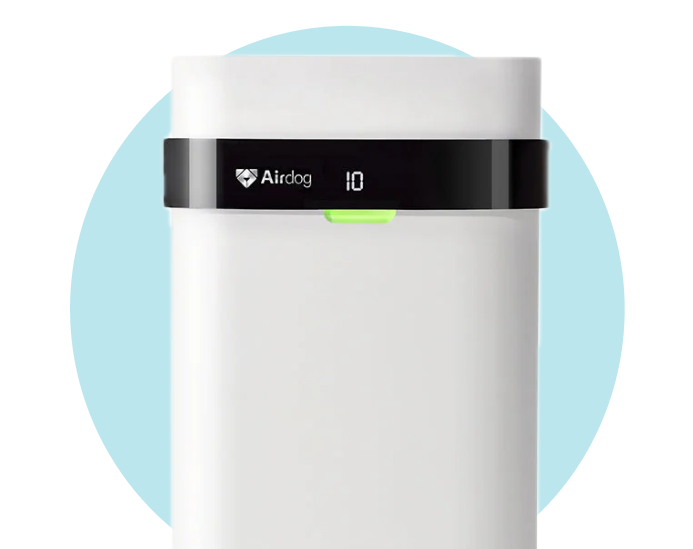
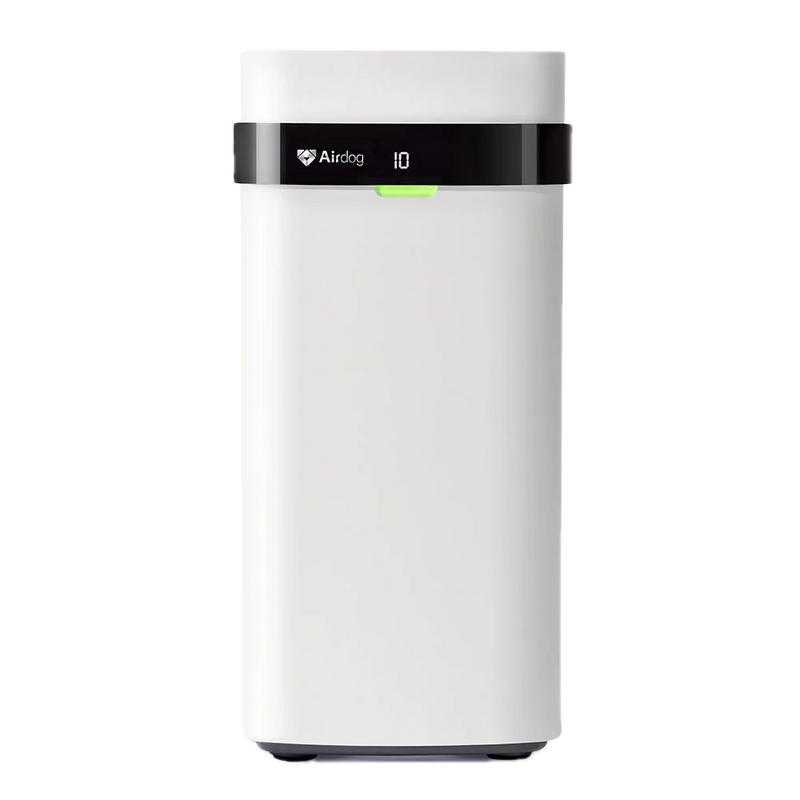
For long-term maintenance, solutions with washable or reusable components can make a noticeable difference—both for your air and your budget. Airdog, for example, uses washable filters designed to reduce ongoing replacements, making it easier to maintain clean air without constant upkeep. When you choose tools and methods that don't require constant repurchasing, you're investing in long-term air quality instead of short-term fixes.
The Bottom Line
Getting rid of bad smells naturally isn’t about covering them up, it’s about removing what’s causing them.
Focus on:
-
Cleaning the real source
-
Improving airflow
-
Managing moisture
-
Using simple, natural absorbers
Do that consistently, and your home won’t just smell better, it will actually be cleaner.
And if you want an extra layer of support, especially for odors that keep circulating in the air, a filtration system like Airdog can help capture the particles behind those smells so you’re not just masking them, you’re removing them.