

Key Takeaways:
-
Air purifiers help reduce litter box and pet odors
-
Air purifiers improve health of pet owners, visitors and pets
-
Cat owners can feel a noticeable difference in air quality when using an air purifier
-
Placing an air purifier near the litter box provides optimal results for air purification
-
A clean house helps air purifiers work better to clear the air of litter box smells
Who the Article is for:
-
Cat owners attempting to reduce litter box smells
-
Cat owners seeking the best air purifier for their health and their pet's health
Did you know that nearly 1 in 3 American households enjoy the companionship of a feline friend? While cats undeniably add warmth and character to a home, they also bring a less welcome feature: the persistent battle against litter box odors.
Many pet owners labor under the misconception that air purifiers serve solely the purpose of filtering out allergens and have little to no effect on household odors, particularly those emanating from a cat's litter box. However, this article aims to challenge that notion, revealing the potential of air purifiers as a formidable ally in the fight against these pervasive smells.
The Science Behind Air Purifiers and Odor Elimination
Central to this exploration is understanding how air purifiers can help prevent and remove unpleasant odors, particularly those stemming from cat litter.
How Air Purifiers WorkAt the heart of an air purifier's function lies its filtration system, primarily composed of HEPA (High-Efficiency Particulate Air) filters and activated carbon filters. Each plays a critical role:
-
HEPA Filters: These filters boast the capability to capture 99.97% of particles as small as 0.3 microns. This includes a range of airborne contaminants from dust mites and pollen to the finer particles of cat dander. Note, while HEPA filters effectively remove many harmful pollutants from the air, they can have a negative effect when not constantly replaced. Over time, HEPA filters become clogged with particles that have proven to create a harmful hotbed of bacteria, exacerbating the problems you may be experiencing. With many of these non-recyclable HEPA filter replacements costing $50-$150 each, it’s essential to consider alternative options that do not cost such a hit to your wallet and to the environment.
-
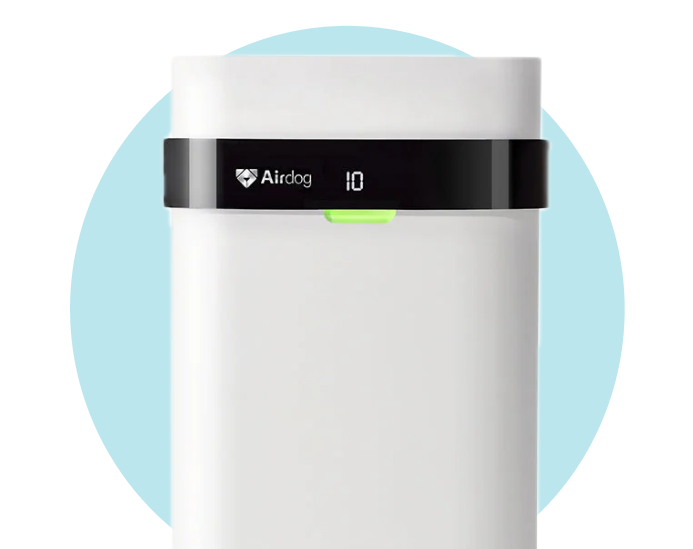
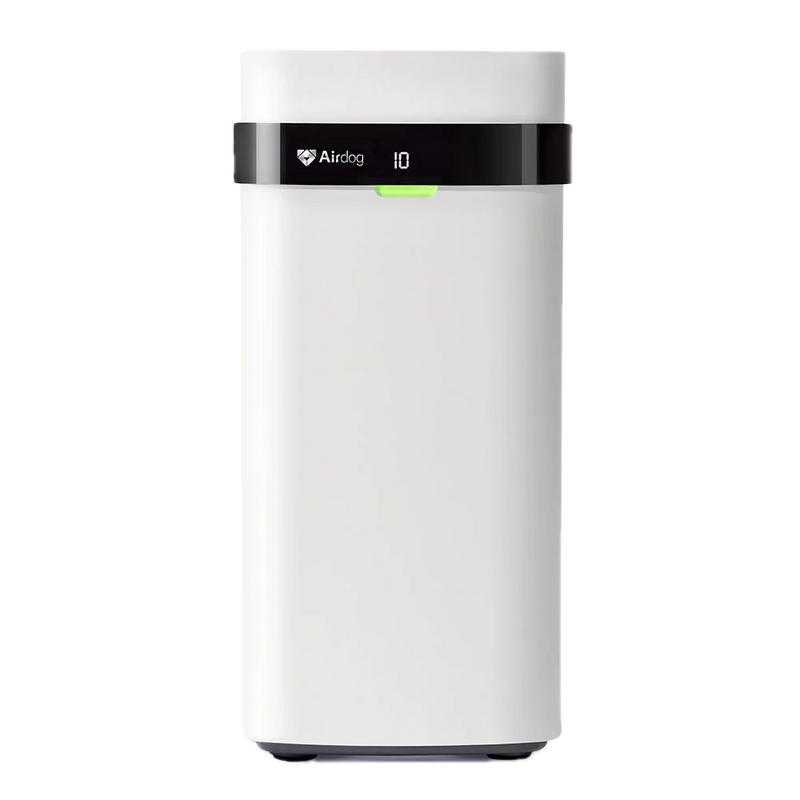
Airdog’s Two-Pole Action (TPA®) Technology: While traditional purifiers rely on disposable, non-recyclable HEPA filters that can clog and slow down over time, Airdog's advanced Two-Pole Action (TPA®) technology ensures a faster and more effective purification process. TPA® filters have the ability to eliminate airborne particles as small as 0.0146 microns (20x smaller than the typical HEPA filter), capturing harmful viruses like influenza, rhinovirus, smog and other ultrafine particulates that HEPA filters cannot reliably capture.
-
In addition, Airdog’s filtration system is hand-washable. It doesn’t rely on non-recyclable, costly filter replacements. Learn more about Airdog’s filtration technology here.
-
Activated Carbon Filters: Activated carbon filters excel in capturing gases and odors through a process known as adsorption. Activated carbon's porous nature provides a vast surface area to trap odor molecules, including those volatile organic compounds (VOCs) responsible for the notorious smells of ammonia and other compounds found in cat urine and feces. Airdog’s air purifiers have carbon filtration built inside to ensure they capture and destroy both harmful particulates and the odors that come with them.
Case Studies and Testimonials
Real-life experiences often provide the most compelling evidence of a product's effectiveness. Below, we delve into case studies and testimonials from those who have integrated air purifiers into their pet care routine, including a notable mention from a Reddit post that has garnered significant attention.
Real-Life Impact: Air Purifiers at Work
-
Reddit Revelations: A post on Reddit's LifeProTips shared by a user highlighted a simple yet effective strategy: placing an air purifier next to the cat litter box. The user reported a noticeable reduction in smells, transforming their living space into a more pleasant environment. This anecdotal evidence has resonated with many, sparking discussions and encouraging others to try a similar approach.
-
Testimonials from the Trenches: Numerous cat owners have shared their success stories online and in social circles. One common thread among these testimonials is the significant improvement in air quality, with many noting that visitors can no longer detect the presence of a cat litter box upon entering their homes.
Noticeable Differences in Air Quality
-
Before and After: Cat owners often describe a "before and after" scenario where the difference in air quality is palpable. Before using an air purifier, the battle against odors felt constant and overwhelming. After implementation, many report a dramatic shift, with the air feeling fresher and cleaner, making their living spaces more inviting.
-
Health Benefits: Beyond odor control, some cat owners have noticed health benefits for both themselves and their pets. Reduced allergies, fewer respiratory irritations, and an overall sense of well-being are among the benefits cited. This aligns with the dual function of air purifiers in removing allergens and particulate matter in addition to odors.
-
Peace of Mind: The psychological impact cannot be overstated. Knowing that their home environment is cleaner and healthier gives cat owners peace of mind. This is especially true for those who entertain guests or have family members with sensitivities to pet odors and dander.
From Reddit users to everyday pet owners, the consensus is clear: air purifiers can make a significant difference in managing litter box odors, enhancing the quality of life for both humans and their feline companions.
Maintenance, Placement, and Operational Tips for Maximum Efficacy
Ensuring your air purifier operates at peak efficiency is crucial, especially in a household with pets. Below are practical suggestions for air purifier upkeep, optimal placement, and operational practices that will enhance your home's air quality and keep litter box odors at bay.
Regular Filter Changes (If Your Purifier Requires It)
-
Track Filter Lifespan: Most air purifiers come with a recommended schedule for filter replacements. For homes with cats, consider changing filters more frequently due to increased dander and litter dust. Carbon filters may need to be replaced every 3-6 months in homes with cats.
-
Signs of Wear: Pay attention to signs that your filter needs changing, such as a noticeable decrease in air quality or an increase in cat litter smells.
-
Stock Up on Filters: Keeping an extra set of filters on hand ensures you can make an immediate change when needed, maintaining your air purifier's effectiveness without downtime.
-
REMEMBER: Airdog’s TPA Technology enables washable filters—removing the need for replacement filters altogether and giving you peace of mind knowing your purifier is more efficient, longer-lasting, and doesn’t require costly replacements.
Strategic Placement
-
Near the Source: Placing the air purifier close to the litter box can capture odors before they disperse. However, ensure it's not too close to avoid scattering litter or disturbing your cat. Placing your cat litter box in a well ventilated area can also help reduce odors.
-
Central Location: For general air quality improvement, position the air purifier in a central area where air circulates freely, ensuring more comprehensive coverage.
-
Avoid Obstructions: Keep the air purifier away from furniture or curtains that could obstruct airflow, reducing its efficiency.
Continuous Operation Settings
-
24/7 Operation: Continuously running your air purifier ensures constant air filtration. Many modern units are designed to be energy efficient, making continuous operation cost-effective.
-
Auto Mode: Utilize auto mode if your air purifier has it. This setting adjusts the purification level based on real-time air quality readings, optimizing energy use and maintaining air quality without manual adjustments.
-
Regular Maintenance Checks: Beyond filter changes, conduct regular checks for dust on vents and fans. Keeping these components clean helps maintain efficient operation and extends the lifespan of the unit.
Complementary Cleaning Efforts
-
Vacuum Regularly: Use a vacuum with a HEPA filter to remove pet hair and dander from floors and furniture, reducing the load on your air purifier.
-
Dust Surfaces: Regularly dusting surfaces helps minimize the particulate matter in your home’s air, complementing your air purifier’s efforts.
-
Litter Box Management: Prompt removal of waste and regular changing of litter not only keeps your cat happy but also reduces the odors and particulates your air purifier needs to handle. Air purifiers work best as a supplement to to a well managed litter box. Scooping out the cat waste from your litter box daily reduces odors and bacterial growth keeping your air cleaner. For homes with more than one cat use one litter box per cat and 1 extra litter box to keep your pet's environment hygienic. Make sure to wash the litter box at a minimum of every few weeks with mild soap and water. If your litter box still smells bad, baking soda can help neutralize odors.
Maximizing Lifespan and Efficiency
-
Avoid Overworking: By keeping your home clean and free of excessive dust and dander, you can prevent your air purifier from overworking, thereby extending its useful life.
-
Energy-Saving Practices: When away from home, use a timer or a smart plug to reduce operation hours, saving energy while still maintaining air quality.
-
Seasonal Adjustments: Be mindful of seasonal changes; for example, increase the purification level during allergy season to combat additional outdoor allergens that may enter the home.
By adhering to these maintenance and operational tips, you'll not only ensure your air purifier remains a potent ally against cat litter odor but also contribute to a healthier indoor environment for your family and pets.
In selecting the ideal air purifier, consider these factors meticulously. Remember, tackling odors requires a dual approach: technology in the form of air purifiers and fundamental cleanliness habits. Together, they forge a comprehensive solution to maintain a fresh and welcoming home.
Frequently Asked Questions
Will the noise level of my air purifier bother my cats or or other pets?
Many air purifiers may be quite noisy. Choosing the right air purifier is important for pets with sensitive ears. Airdog air purifiers are designed for quiet operation keeping your cat's ears undisturbed as they breathe in the fresh air.
Can air purifiers help allergy sufferers?
Yes, air purifiers can help with allergies from pet hair, pet dander, and other airborne pollutants that may be cause allergy symptoms. Choosing the best type of air purifier for allergy sufferers and pets helps everyone live a little more comfortably. Traditional HEPA Air Purifier filters capture small particles on a removal filter that needs to be replaced often. These filters are less effective over time. Airdog's quality air purifier includes a washable pre filter that eliminates small particles without ever paying for replacement filters.
Why is it so difficult to eliminate odors from a multi cat household?
We hear you! We love our feline friends but the smells can be hard to put up with. Having multiple cats and multiple litter boxes means more kitty litter and more cat hair and dander to keep up with. Ensuring that all your cats have fresh litter, and the area around the litter box stays clean helps your air purifier work better. For fowl smelling cat waste, evaluating your cat's food or taking your cat to a veterinarian could help reduce odors and improve your cat's overall health.