

With countless devices promising cleaner indoor air, it’s easy to get confused about what each one actually does. A common question, “do air purifiers dehumidify?”, reflects how often these functions get mixed together. Since most people spend the majority of their time indoors, understanding how to improve air quality effectively is essential. This article breaks down what air purifiers can do, what they cannot do, and how they fit into broader humidity control. Whether you’re focused on health, comfort, or home tech, these insights will help you make confident decisions about your indoor air.
Understanding the Role of Air Purifiers in Home Humidity Control
Air purifiers are now standard tools for improving indoor environments as they remove particles like dust, pollen, smoke, and pet dander. However, one misconception persists: that they also control humidity. In reality, air purifiers do not increase or decrease moisture levels in your home. Their job is purification — not humidification or dehumidification.
Key points to remember:
-
Air purifiers are primarily designed to capture and remove airborne contaminants using HEPA filters, activated carbon, reusable plates, or other systems.
-
Unlike humidifiers or dehumidifiers, air purifiers do not add or remove moisture from the air.
-
Choosing the right device starts with knowing which problems you're actually trying to solve.
Understanding this difference lays the foundation for building a healthier indoor environment.
The Science Behind Air Purifiers and Humidity
Navigating the complex landscape of indoor air quality requires a clear understanding of the tools at our disposal. Air purifiers, a critical component in this ecosystem, function through well-defined mechanisms that target airborne contaminants without altering the ambient humidity. Let's explore the intricacies of their operation, the role of filters, and the specialized features that some models offer to monitor the environment.
How Air Purifiers Operate
Air purifiers draw air into the device and push it through filtration layers designed to trap pollutants — not moisture. This process is mechanical and does not change the humidity in the room.
-
HEPA Filters: Capture 99.97% of particles ≥ 0.3 microns.
-
Activated Carbon Filters: Adsorbs odors, smoke, and chemicals.
-
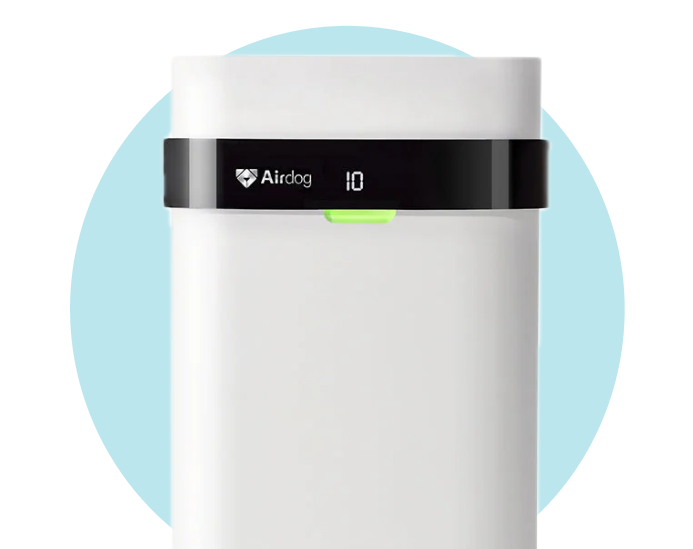
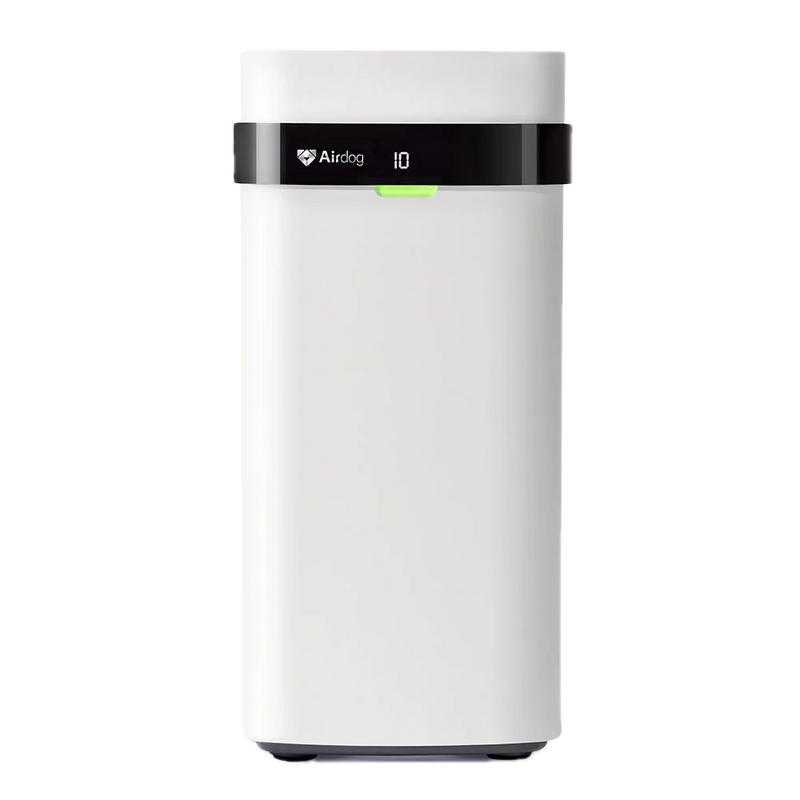
Washable/Reusables (like Airdog’s TPA® tech): Capture pollutants using an electronic charging process, eliminating the need for disposable filters and reducing waste.
None of these filtration methods alter moisture levels.
Built-In Humidity Features (Optional, Not Standard)
While the primary function of air purifiers is to clean the air, some models come equipped with features that allow for the monitoring or even control of humidity. These functionalities are supplementary and cater to the growing demand for multifunctional home environment solutions.
-
Humidity Sensors: Provide real-time humidity readings but do not change the moisture level.
-
Combination Units: Rare models that combine purification with humidifying or dehumidifying functions — but these are specialized and not representative of standard air purifiers.
Humidity sensors help users understand their environment, but actual humidity control still requires separate devices.
Misconceptions and Realities: Do Air Purifiers Dehumidify?
Many believe air purifiers dry the air because a room may feel fresher once particles are removed. However, purifiers lack the internal components needed to condense or evaporate moisture.
The Distinct Roles of Air Purifiers and Dehumidifiers
-
Air Purifiers: Remove particulate matter.
-
Dehumidifiers: Extract moisture to reduce humidity.
They work together — but they are not interchangeable.
Debunking the "Air Purifiers Dehumidify" Myth
A prevalent myth is that air purifiers also have the ability to dehumidify the air. This misconception may stem from the misunderstanding of air purifiers' functionality and the noticeable change in air quality they produce. However, air purifiers lack the mechanism to alter humidity levels significantly; they are engineered to filter out contaminants and not to extract moisture.
Effects of Humidity on Air Purifiers
High humidity levels can negatively impact indoor air quality in several ways:
-
Promotes Mold and Mildew Growth: Moist environments are ideal for the proliferation of mold and mildew, which can release spores into the air that air purifiers then need to filter out.
-
Increases Allergen Levels: Dust mites and other allergens thrive in high humidity, potentially leading to more significant air purifier workload and reduced efficiency.
-
Can Affect Filter Efficiency: High humidity can cause filters, especially HEPA ones, to clog more quickly, reducing the overall effectiveness and efficiency of air purifiers.
Addressing indoor humidity levels is crucial for not only maintaining a comfortable environment but also ensuring that air purifiers can operate optimally. Combining the use of air purifiers with dehumidifiers, particularly in humid climates or during damp seasons, can significantly enhance the quality of indoor air and protect the health of the inhabitants. To get the best performance, pair purifiers with humidity control when needed.
Smart Integration for Best Results
Integrating air purifiers with dehumidifiers offers a comprehensive approach to managing indoor air quality. This strategy allows for:
-
Targeted Pollutant Removal: Air purifiers efficiently remove airborne pollutants.
-
Moisture Control: Dehumidifiers maintain optimal humidity levels, preventing the growth of mold and the proliferation of dust mites.
-
Enhanced Comfort and Health: Together, these devices contribute to a healthier and more comfortable living environment, reducing the risk of respiratory issues and allergic reactions.
Integrating Air Purifiers with Humidity Control
To create a balanced, healthy indoor climate, combine purification with proper humidity management.
Combining Technologies
-
Smart Air Filters: Some purifiers and sensors track particulates, VOCs, CO₂, and humidity.
-
Dehumidifiers: Maintain proper moisture levels to prevent mold and dust mites.
-
Real-time Adjustments: Smart homes can sync devices for hands-off environmental control.
Choosing the Right Units
Choosing the appropriate devices for your home involves considering several factors to ensure that they meet your specific needs:
-
Room Size: The effectiveness of air purifiers and dehumidifiers depends significantly on their capacity relative to the size of the room. Select models that are rated for the square footage of the space they will serve.
-
Specific Needs: Allergies? Choose strong particulate filtration. Humid climate? Prioritize moisture control.
-
Smart Features: Opt for devices that offer integration with home automation systems for ease of monitoring and control. This feature is especially beneficial for adjusting settings based on real-time data from smart air filters.
Maintenance Matters
-
Replace or wash filters as directed (washable systems like Airdog’s make this easier).
-
Empty dehumidifier reservoirs or use continuous drainage.
-
Perform routine system checks for efficiency.
Health Benefits of Managing Purification + Humidity
Clean air and balanced humidity work together to support health.
Reduction in Allergens
-
Airborne Particles: Air purifiers are adept at trapping airborne allergens such as pollen, pet dander, and dust mites, effectively reducing the allergen load in the indoor environments.
-
Humidity and Allergens: By maintaining optimal humidity levels, dehumidifiers help in mitigating the growth of dust mites and mold spores, both of which thrive in moist conditions. This dual approach lessens the overall allergen presence in the air.
-
Impact on Health: Individuals with allergies often experience relief in symptoms when exposed to cleaner air with controlled humidity. This improvement is due to the reduced burden of allergens that can trigger reactions.
Improvement in Respiratory Conditions
-
Asthma and Air Quality: For people with asthma, the quality of indoor air can be a critical factor influencing their condition. Air purifiers remove airborne irritants that can exacerbate asthma symptoms, while maintaining a balanced humidity level prevents the airways from becoming too dry or too moist, conditions which can also worsen asthma.
-
Preventing Respiratory Infections: High levels of humidity can foster the growth of bacteria and viruses. Dehumidifiers, in conjunction with air purifiers, can create an environment less conducive to the survival of these pathogens, thereby reducing the incidence of respiratory infections.
Prevention of Mold Growth
-
Humidity Control: Mold growth is significantly inhibited when indoor humidity levels are kept below 60%. Dehumidifiers play a crucial role in maintaining these levels, especially in areas prone to high moisture, such as basements and bathrooms.
-
Air Purifiers' Role: While air purifiers do not directly affect humidity levels, they can filter out mold spores from the air, reducing the potential for mold proliferation on surfaces within the home.
-
Health Implications: Exposure to mold can lead to a variety of health issues, including respiratory symptoms, allergic reactions, and in severe cases, immune system suppression. The combination of air purifiers and dehumidifiers minimizes these risks by addressing both airborne spores and the conditions that facilitate mold growth.
Alleviating Symptoms for Allergies or Asthma
-
Misconceptions: Contrary to the common belief that air purifiers may dry out the air and aggravate conditions such as dry eyes, sinus congestion, or throat irritation, these devices do not alter humidity levels. Their function focuses solely on cleaning the air of particulates and allergens.
-
Synergistic Effect: When used alongside humidity control appliances, air purifiers can significantly alleviate symptoms for individuals with allergies or asthma. This synergy ensures the air remains not only clean but also at an optimal moisture level, enhancing respiratory comfort and health.
The combination of air purifiers and humidity control devices offers a comprehensive solution for improving indoor air quality and maintaining a healthy living environment. By tackling pollutants, allergens, and humidity-related issues concurrently, these appliances work in tandem to provide a holistic approach to indoor air management. This strategy not only contributes to the physical well-being of inhabitants by reducing the risks associated with poor air quality and imbalanced humidity but also promotes a more comfortable and pleasant living space.
Final Thoughts
Understanding “do air purifiers dehumidify” is key to choosing the right tools for a healthier home. Air purifiers excel at removing airborne pollutants but don’t influence moisture levels, which is why pairing purification with proper humidity control creates the best indoor environment. By addressing both particle removal and moisture balance, you can reduce allergens, prevent mold growth, and breathe more comfortably year-round.
For homes seeking powerful air cleaning without frequent filter replacements, models with reusable filtration—like Airdog’s TPA® technology—offer a low-waste, low-maintenance solution. Pair it with the right humidifier (such as Airdog’s MOI) or dehumidifier, and you’ll have a complete, efficient system that promotes cleaner, healthier air year-round.