

Black Mold in Bathroom: What Causes It, Why It Matters, and How to Prevent It
Who this Article is For:
-
Homeowners or renters dealing with black mold in the bathroom
-
People trying to reduce mold in their homes
-
People concerned about breathing in black mold
-
People searching for air purifiers for bathroom
Key Takeaways:
-
Black mold can affect your immune system or trigger allergies
-
Most bathroom mold can be controlled through moisture preventative measures
-
Musty odors is one of the first signs of black mold
-
Safety measures should be in place when cleaning black mold
-
Painting over mold can make mold worse
-
An after-shower moisture reduction plan can reduce the chances of mold growing
-
Air purifiers can help reduce breathing in mold spores
You step out of the shower, and there it is again, a dark smudge creeping along the grout line. Maybe you've noticed a musty smell that won't go away, or spotted black spots gathering in the corner where your ceiling meets the wall. Most bathroom mold issues stem from controllable moisture problems.
This article walks you through the real reasons black mold takes hold in bathrooms, how to tell whether you're dealing with a quick wipe-down or a deeper issue, and what actually works to keep mold from coming back. You'll learn which spots to inspect first, how to clean safely without making your indoor air worse, and how to build a prevention routine that fits into your life. Most importantly, you'll understand why addressing bathroom mold matters for your health especially if anyone in your household deals with allergies, asthma, or respiratory sensitivity.
Ready to take control of your bathroom air quality?
Why Black Mold in Bathroom Spaces Is So Common
Bathrooms are one of the easiest places in your home for mold to establish itself. Every time you run a hot shower, you create warm, humid air that rises and meets cooler surfaces: ceilings, painted drywall, grout lines, window frames, and the areas around exhaust fans. That temperature difference causes condensation, water vapor turning back into liquid droplets, and those droplets sit on surfaces long enough for mold spores to settle and grow. Controlling moisture is the foundation of mold prevention.
Humidity refers to the amount of water vapor floating in the air, while condensation is that vapor turning into liquid on cold surfaces like tile, glass, or painted walls. When bathroom humidity stays elevated, especially at or above 60% for extended periods, mold growth becomes much more likely. The longer your bathroom stays damp after a shower, the better the conditions become for those spores to multiply.
Most homeowners call any dark growth in the bathroom "black mold," but several common mold species can appear dark brown, green, or nearly black. While all mold can affect your immune system and trigger allergic reactions, toxic black mold (Stachybotrys chartarum) tends to form in consistently humid environments or areas subject to prolonged flooding, and may appear greenish-black, grayish-black, slimy, or furry with a more potent smell resembling decay or wet soil.
Mold in bathrooms is not just a cosmetic issue. Damp, moldy environments can worsen allergies, irritate eyes and skin, and trigger coughing or wheezing, especially for sensitive people, children, or those with asthma. The CDC notes that exposure to mold can cause a stuffy nose, sore throat, coughing, wheezing, burning eyes, or skin rash in some individuals. Consumer Reports and WebMD confirm that reactions vary by person, but people with mold allergies, weakened immune systems, or chronic lung issues may experience more severe symptoms. While it appears rare for black mold to cause fatal illness, the ongoing exposure in a small, enclosed space like a bathroom can create cumulative health effects that shouldn't be ignored.
The bathroom may be a small room, but it plays huge role in your home's overall air quality and your family's respiratory health.
How to Tell Whether It's a Quick-Clean Issue or a Deeper Moisture Problem
Not all bathroom mold means you have a structural disaster on your hands. But knowing the difference between surface growth and hidden moisture can save you time, money, and a lot of frustration down the road.
Start your inspection in the spots where trapped moisture lingers longest including cooler surfaces where steam condenses as prime mold territory: grout lines, silicone caulk, ceiling corners above the shower, exhaust fans, under sink cabinets, behind toilets, and window frames. Check the underside of bath mats and shower curtains as fabric items can become mold reservoirs.
Wash shower curtains and liners monthly. Hang bath mats to dry after every use rather than leaving them on the floor. Replace towels after three uses maximum, and make sure they dry completely between uses on a rack with good airflow.
If your bath mat smells musty even after washing, it's already colonized with mold below the surface. Replace it rather than trying to salvage it. The same principle applies to any fabric in
Watch for Early Warning Signs Before the Problem Becomes Obvious
You don't need visible black patches to know you have a mold problem developing. Persistent musty odors is one of the first indicators of black mold, especially musty odors that don’t go away after cleaning.
Look for repeated dark spotting in the same corner, condensation that stays on walls long after your shower ends, peeling paint, or caulk that looks stained or slimy.
If you notice the same corner developing dark spots week after week, or your bathroom mirror stays fogged for hours, you're looking at a moisture pattern.
Surface Growth vs. Hidden Moisture
If mold returns within days after cleaning, moisture is getting behind the material rather than sitting on top of it.
Run a Quick Structural Inspection
Get close and look for hairline cracks in grout and caulk—these tiny failures allow water to seep behind tile and drywall. Aging grout accumulates cracks that let moisture create dark, damp environments below the surface where mold thrives.
Check for loose toilet seals, dripping supply lines under sinks, and soft drywall near plumbing penetrations.
Press gently on drywall around pipes and fixtures. If it feels soft or spongy, water has been sitting there long enough to compromise the material. This is structural moisture that needs immediate attention before mold spreads into wall cavities.
Safe Cleanup for Small Bathroom Mold Problems Without Making Indoor Air Worse
Small, surface-level mold on non-porous or semi-porous bathroom surfaces can often be cleaned by the homeowner. But you need to protect yourself first.
Duravit and AHS both emphasize that gloves, eye protection, and a respirator or mask that blocks spores are essential before you touch anything. Mold spores become airborne the moment you disturb them, and you don't want to breathe them in while you work.
Close the bathroom off from bedrooms when cleaning. This simple step prevents spores from drifting into sleeping areas. Open the bathroom window or run the exhaust fan on high to create negative pressure that pulls contaminated air outside rather than into adjacent rooms.
Pure Maintenance Nebraska emphasizes that visible mold signals a possible airborne mold problem that can spread throughout your home. Never dry-brush moldy residue—this launches particles into the air where they remain suspended for hours. Instead, spray the area lightly with water or cleaning solution before wiping to keep spores from becoming airborne.
Wash cleaning rags immediately after use in hot water, and don't reuse them for other household tasks.
Ventilate the room during the entire process. Open windows, run fans, and create airflow that moves contaminated air out of your home rather than deeper into it.
Stop Before You Scrub: Remove the Moisture Source First
The biggest mistake people make with black mold in bathroom spaces is attacking the visible growth without addressing why it's there. AHS makes this point clearly: the first step is not scrubbing harder but removing the moisture source.
Run your exhaust fan. Open the door or window if possible. Check for active leaks under sinks, around toilet seals, and behind fixtures before you start cleaning.
If you clean mold without fixing the leak or moisture problem, the mold will return quickly. sometimes within days.
Match Your Cleaning Method to the Surface
Not all bathroom surfaces respond the same way to mold cleanup, and generic advice like "spray and wipe" doesn't cut it.
Hard surfaces like tile, glass, and metal can usually be cleaned with appropriate bathroom-safe mold cleaners or agents such as hydrogen peroxide or alcohol where suitable. Duravit notes these non-porous materials allow you to remove mold from the surface without worrying about spores that have penetrated deep into the material.
But silicone caulk, heavily infested sealant, and moldy textiles often need replacement because spores lodge below the surface where cleaning agents can't reach them. You can scrub moldy caulk until your arm hurts, but if the mold has worked its way into the material, it will come back. Cut it out, dry the area thoroughly, and install fresh caulk.
The same goes for shower curtains, liners, and bath mats that show visible mold growth. Washing might help temporarily, but replacement is often the only permanent fix.
Painting Over Mold Makes the Problem Worse
Never paint over stained drywall without drying the area first. The EPA's mold guidance and CDC ventilation emphasis make it clear that trapping moisture behind paint just moves the problem out of sight while the mold continues growing in the wall cavity. Dry the drywall completely, confirm there's no active moisture source, and only then consider repainting.
Ventilation matters as much during cleanup as it does for prevention. Keep air moving out of the bathroom, use one cleaning product at a time, and give yourself plenty of fresh air while you work.
Reducing Humidity and Condensation After Every Shower
A repeatable post-shower routine to reduce moisture takes less than five minutes but makes a measurable difference in how quickly your bathroom dries.
Your Post-Shower Routine To Reduce Mold
AHS recommends running your exhaust fan during the shower and for a meaningful period afterward at least 20 to 30 minutes. Many people shut the fan off the moment they step out, but that's exactly when moisture-laden air is still clinging to every surface.
If privacy allows, keep the bathroom door ajar during and after your shower.
Wipe down shower walls, doors, faucet bases, and tub edges right after you shower. Use a squeegee on glass doors and a microfiber cloth on tile. This removes standing water before it can evaporate into the air or seep into porous materials where mold thrives.
These three actions: fan, airflow, and wipe-down form the foundation of mold prevention that works long-term.
Know Your Humidity Numbers
The CDC recommends keeping indoor humidity no higher than 50% throughout your home. AtmosAir notes that some mold species can begin growing when humidity reaches 60% and above, preventing your bathroom from lingering above 60% after showers is critical.
A small hygrometer makes this visible. Place one in your bathroom and check it 15 minutes after someone showers. If humidity is still above 60%, your ventilation isn't keeping up with moisture production. You'll need to run the fan longer, improve airflow, or add a dehumidifier.
When you can see the numbers, you can adjust your routine to match your bathroom's specific moisture challenges.
Structural Upgrades That Matter More Than Decorative Changes
Fresh paint and new towels won't stop black mold in bathroom corners if the underlying moisture problems remain unaddressed.
Lowe's explains that cracked grout creates hairline pathways where water seeps below tile surfaces into dark, damp spaces ideal for mold growth. Repair grout annually or whenever you notice cracks forming. The same goes for caulk around tubs and shower seams, old, cracked caulk needs removal and replacement, not just cleaning.
Fix dripping fixtures and loose toilet seals immediately. These are common hidden moisture sources that feed mold growth behind walls and under floors. A slow drip you ignore for months can create a mold problem that costs thousands to remediate.
Cold surfaces collect condensation because warm, humid air hits them and instantly turns to liquid water. If your bathroom ceiling stays cold in winter, consider adding insulation or improving heat circulation to raise surface temperatures above the dew point.
These upgrades don't look flashy, but they address the physics of why mold grows in the first place.
Protecting Bathroom Air Quality for Allergy-Prone and Health-Conscious Households
Black mold in bathroom spaces isn't just an aesthetic problem, it's a health concern.
Consumer Reports notes that some people experience a stuffy nose, sore throat, coughing or wheezing, burning eyes, or skin rash when exposed to mold. The CDC confirms that damp, moldy environments can trigger these reactions, while WebMD adds that mold can cause immune system reactions, particularly coughing and chest tightness.
Who Should Skip DIY Cleanup Entirely
Not everyone should handle black mold in bathroom cleanup personally, regardless of the area size.
WebMD notes that people with weakened immune systems or lung disease face elevated risk from mold exposure. The CDC adds that individuals with asthma, mold allergies, or chronic lung conditions may experience more severe reactions.
If you fall into any of these categories, avoid direct cleanup of larger or recurring growth. The spores you disturb during cleaning can trigger immediate respiratory distress or worsen existing conditions. Hire a professional remediation service that can contain the work area and use proper filtration equipment.
Even if you don't have diagnosed health conditions, pay attention to how you feel during and after bathroom cleaning. Persistent coughing, wheezing, or eye irritation that worsens when you're in the bathroom signals that mold exposure is affecting you.
Some black mold in bathroom situations need more than a spray bottle and elbow grease.
Consumer Reports advises calling a professional if mold covers a large area, keeps returning despite cleaning and drying, or appears to be inside drywall or under flooring.
Growth that follows a leak or flood requires professional assessment. Water may have traveled through wall cavities, under subflooring, or into insulation where you cannot see it. Surface cleaning addresses only what's visible while hidden colonies continue spreading.
A strong musty odor you cannot locate also signals hidden mold. The EPA emphasizes that moisture problems behind surfaces create ideal conditions for extensive growth that superficial cleaning cannot reach.
Air Purifiers Can Help Protect You Against Mold
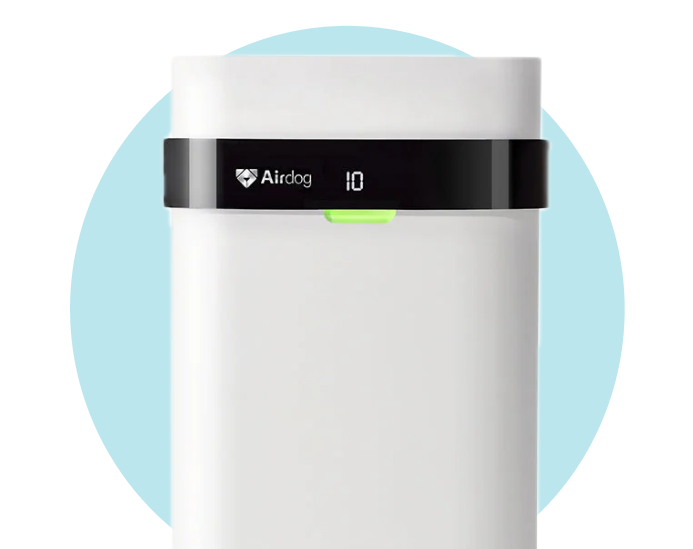
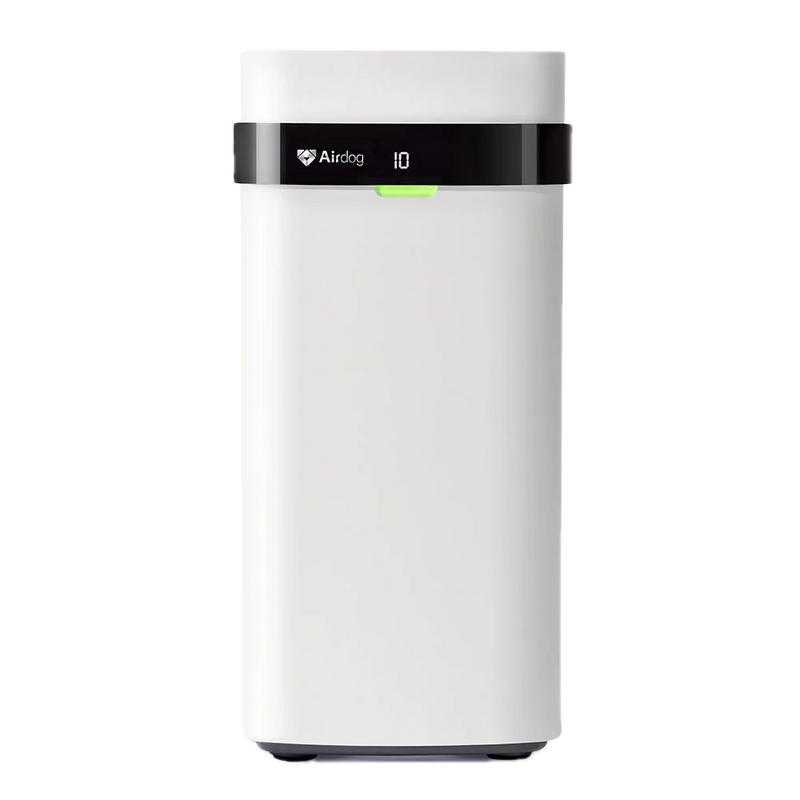
While air purifiers cannot remove mold from mold prone areas, air purifiers can help in high humidity conditions where mold spores grow. Air purifiers can help address the air quality conditions that exhaust fans alone cannot solve. Airdog’s TPA technology captures mold spores and airborne particles on a washable filter destroying the particles at the source. An air purifier will work best when other precautions and clean up of mold is in place.
Frequently Asked Questions
Is black mold in the bathroom toxic?
Black can cause coughing, wheezing, allergies, and worsen asthma but according to Cleveland Clinic it can rarely be deadly. Treating bathroom mold will lessen your chances of worsening sicknesses, allergies, or asthma.
What should I do if I have black mold in my bathroom?
Determine whether you can clean the mold yourself or if you need professional help. When cleaning up mold, be sure to wear gloves and a mask to protect yourself from breathing in the black mold. Cleaning solutions like white vinegar mixed with peroxide could help remove the mold. Use an air purifier to help lessen the amount of mold you breathe in.
What are the first signs of black mold poisoning?
Black mold poisoning can look similar to allergies or a cold and can cause reactions such as coughing, a runny nose, sneezing, headaches, fatigue, skin rashes, and irritated eyes. This is typically an allergic reaction or irritation caused by breathing in mold spores or coming into contact with mold spores.
How can an air purifier protect me against black mold?
Air Purifiers help by reducing the amount of mold spores you breathe in. Airdog’s TPA® Technology catches mold spores and other pollutants on washable plates. The TPA® technology destroys molecules at the source. Unlike other filters, such as HEPA filters you do not need to replace Airdog filters. When replacing a HEPA filter, you are releasing those materials the filters captured back into the room which can cause more harm especially when filters are not removed with gloves and a mask. Since Airdog’s TPA® technology destroys molecules at their source, the washable plates are safe to remove and clean.