

Who this article is for:
-
Individuals struggling to regulate humid air in their homes and are considering an airflow humidifier.
-
People looking to create ideal indoor humidity using air purifiers and humidifiers
-
Individuals dealing with musty odors caused by humid environments
Key Takeaways:
-
Humidity levels above 60% RH are generally considered high humidity
-
Experts suggest keeping indoor humidity levels below 60% to prevent mold growth and bacteria
-
Excess moisture from humidity can lead to bacteria and health issues
-
High indoor humidity can lead to home damage
-
Airdog's air purifiers and humidifiers help with mold regulation, humidity fluctuations and keeping indoor air quality safe.
Have you ever walked into a room and felt the air was too heavy and damp? Or maybe in the middle of winter, your skin feels tight, your throat scratchy, and the air almost too dry to breathe. These shifts in humidity affect more than just comfort. They impact health, well-being, and even the longevity of a home. Since most people spend nearly 90% of their time indoors, air quality is not just about comfort but a necessity.
This guide explores the science of relative humidity, why it matters, how it’s measured, and its role in preventing mold, preserving air quality, and maintaining a comfortable living space. Whether dealing with excess moisture or dry air, understanding and managing humidity is key to a healthier, more balanced home.
Introduction - Understanding Humidity Levels
Humidity, specifically relative humidity, plays a critical role in our health, comfort, and the maintenance of our homes. But what exactly is relative humidity, and how is it measured?
Relative Humidity (RH) refers to the amount of moisture in the air compared to what the air can hold at a certain temperature, expressed as a percentage.
What Constitutes High Humidity
Understanding the threshold for high humidity is crucial for maintaining a healthy, comfortable, and safe indoor environment.
Recognizing High Humidity Levels
-
General Consensus: A common understanding among experts is that humidity levels above 60% RH are typically considered high. At such levels, the air feels noticeably heavier, and the additional moisture can lead to various discomforts and health issues.
-
Expert Recommendations: The American Society of Heating, Refrigerating, and Air-Conditioning Engineers (ASHRAE) suggests keeping indoor humidity levels below 60% to prevent the growth of mold and bacteria.
Seasonal Variations in Humidity Levels
-
Winter Considerations: During the colder months, the desired relative humidity levels tend to be lower. The Center for Energy and Environment highlights that our homes often require a lower RH in winter compared to summer. This is due to the colder air's decreased capacity to hold moisture, which can lead to dry indoor conditions if not properly managed.
-
Guidelines for Winter: Setting indoor humidity levels too high in winter can cause condensation on windows and other cold surfaces, potentially leading to water damage and mold growth. Thus, a lower RH setting is advisable to prevent these issues.
The Risks of Ignoring High Humidity
Ignoring signs of high humidity can lead to a plethora of problems, affecting not just comfort but also health and the structural integrity of our homes. Here are a few risks associated with high indoor humidity:
-
Health Issues: High humidity levels can exacerbate respiratory problems, promote allergen proliferation, and increase the likelihood of mold and mildew formation. These conditions can pose significant health risks, particularly to individuals with asthma or allergies.
-
Home Damage: Excessive moisture can warp wood, peel paint, and even compromise the structural integrity of a house. High humidity can also damage electronics and other sensitive equipment, leading to costly repairs or replacements.
Monitoring and Managing Humidity Levels
Effectively monitoring and managing indoor humidity levels is essential for preventing the adverse effects of high humidity. Here are a few strategies:
-
Use of Hygrometers: To keep a close eye on indoor humidity levels, employing a reliable hygrometer can provide accurate readings.
-
Dehumidifiers and Air Conditioners: Utilizing dehumidifiers and air conditioners can help in reducing indoor humidity levels. These devices can be particularly effective during hot, humid summer months when indoor humidity levels tend to rise.
Effects of High Humidity on Health and Home
High humidity levels within a home can significantly impact both health and the structural integrity of the property.
Respiratory Issues and Allergen Proliferation
High indoor humidity creates an ideal breeding ground for dust mites, mold, and mildew, which are common allergens that can provoke respiratory issues. The correlation between humidity and allergen proliferation is well-documented, with several points to consider:
-
Dust Mites Thrive: These tiny creatures flourish in environments with RH levels above 60%, leading to increased allergen exposure.
-
Mold and Mildew Growth: Mold and mildew prefer moist environments. Continuous exposure can cause or exacerbate respiratory conditions such as asthma, allergic rhinitis, and other respiratory allergies.
-
Increased Allergen Exposure: High humidity levels can also increase the concentration of other airborne allergens, such as pollen, which can penetrate indoor spaces more easily when windows are opened for ventilation.
Correlation Between High Humidity and Mold Growth
The growth of mold and mildew in homes is not just a cosmetic issue; it poses significant health risks and can lead to costly structural damage. Key considerations include:
-
Optimal Conditions for Mold: Mold spores need moisture to grow and reproduce. High indoor humidity provides the perfect environment for these spores to settle and multiply.
-
Structural Damage: Over time, unchecked mold growth can weaken wooden support structures in a home, leading to significant repair costs.
-
Health Risks: Exposure to mold can lead to health problems ranging from mild allergic reactions to severe respiratory issues, especially in individuals with pre-existing conditions.
CDC Recommendations on Humidity Levels
The Centers for Disease Control and Prevention (CDC) has conducted studies showing that maintaining moderate RH levels (40%-60%) can minimize the transmission of certain viruses. This recommendation underscores the importance of balancing indoor humidity levels for health reasons:
-
Virus Transmission: Moderate humidity levels can reduce the airborne lifespan of viruses, potentially decreasing the spread of illnesses within a home.
-
Optimal RH Range: Keeping indoor humidity within the recommended range can also mitigate allergen proliferation and mold growth, contributing to a healthier living environment.
High Humidity's Impact on Home and Belongings
Apart from health concerns, high humidity levels can have a deleterious effect on a home's structure and the longevity of sensitive items:
-
Damage to Wooden Structures: Excess moisture can cause wood to swell, warp, or rot, compromising the integrity of furniture, flooring, and structural components.
-
Electronics and Metal Objects: High humidity can lead to the corrosion of metal objects and damage electronic devices, resulting in potential data loss and expensive replacements.
-
Uncomfortable Living Environment: High levels of humidity can make the air feel sticky and uncomfortable, reduce the efficiency of air conditioning systems, and contribute to unpleasant odors.
Conclusion
Understanding and managing relative humidity is crucial, not just for comfort, but for health and home preservation. Indoor air quality, heavily influenced by humidity levels, directly impacts our well-being and helps prevent issues like mold growth and dry air discomfort. By grasping the science of humidity control and implementing effective measures, we can create healthier, more sustainable living spaces.
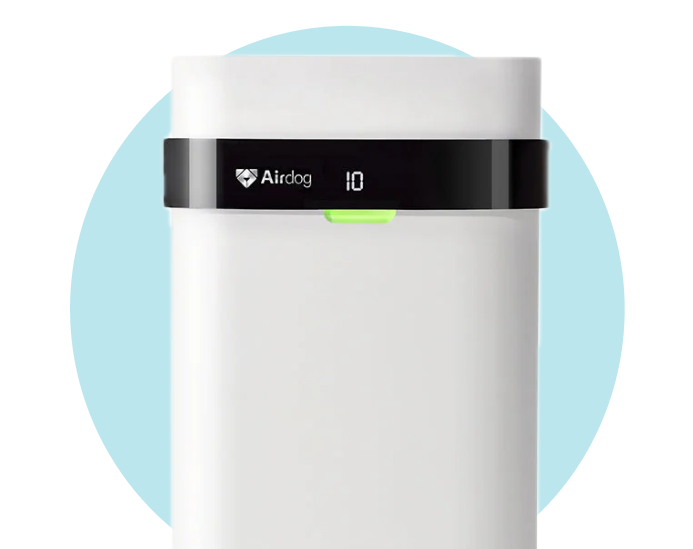
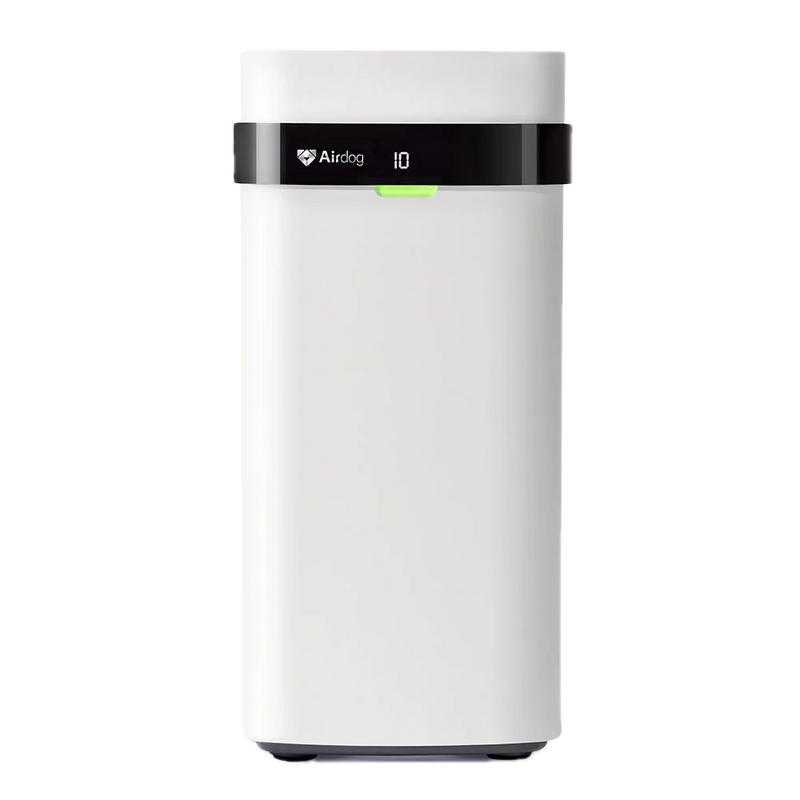
With Airdog’s air purifiers and MOI humidifier working in harmony, you no longer have to worry about mold, humidity fluctuations, or poor air quality.The air purifier captures allergens, pollutants, and irritants, while the MOI humidifier carefully regulates humidity, preventing dry air and mold growth. Together, these products ensure a balanced, healthier environment, giving you cleaner air and enhanced comfort for both your home and health. Take control of your indoor air quality with Airdog—your home deserves it!
Frequently Asked Questions:
What factors in my home may be impacting indoor relative humidity?
When your home has poor ventilation, moisture can accumulate. Kitchens, baths, or laundry areas where moisture is more common can have an impact on humidity levels. Cooking can increase indoor humidity levels, especially when you boil water. Using an exhaust fan, including bathroom fans in moist areas like the kitchen and bathroom, can help reduce humidity levels. Everyday use of hot showers can let excess moisture into your home. Clothes dryers can add to humid conditions. Damp building materials such as damp carpets can also raise humidity levels. Give your clothes and other materials plenty of space to dry quickly to avoid excess humidity and keep musty smells out of your home.
How do hot and humid weather contribute to the air circulation in my home?
Air leaks, poor ventilation, and moisture from the air outside can make their way through the building materials of exterior walls.
To protect yourself from unregulated humidity from outdoor air, ensure your home has proper ventilation. Check for gaps around your windows, doors, and other areas where more moisture may be creeping in. Reduce open windows in your home. Fix leaks and improve ventilation in your home to get your home to the ideal range of relative humidity.
How does temperature play a role in humidity?
Take into consideration the current temperature. In the summer, warm air can hold a lot of moisture. Cool air can raise the relative humidity if the HVAC System does not help remove moisture. In the winter, the air holds little water vapor. When cold air temperature leaks inside, the furnace warms it up; this can cause lower humidity. Making the air dry air and dry skin. Temperatures under 40 degrees Fahrenheit hold a small amount of water vapor. At 80 degrees Fahrenheit the air can hold 4 times as much moisture. Finding a comfortable temperature of 62-78 degrees Fahrenheit can help lower relative humidity to a stable condition.